Last updated November 20, 2026
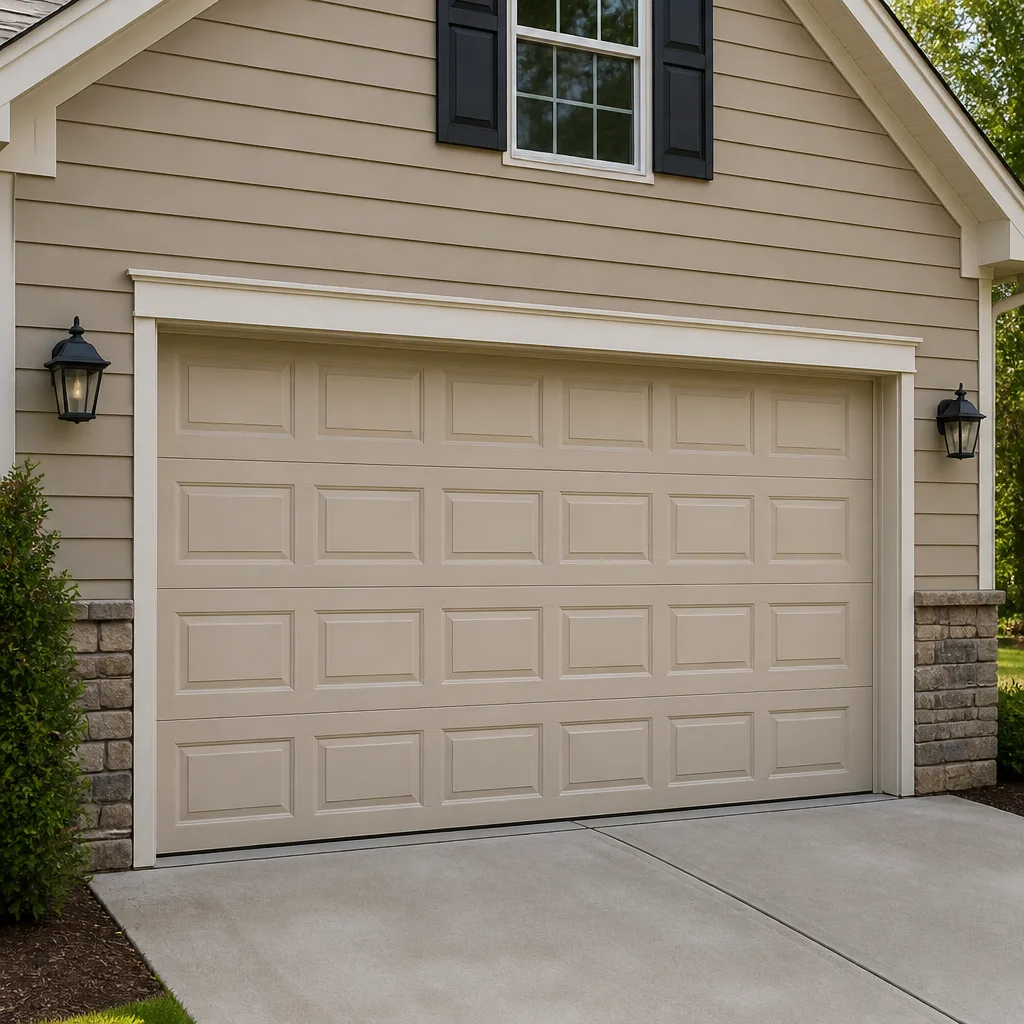 Raised-panel steel
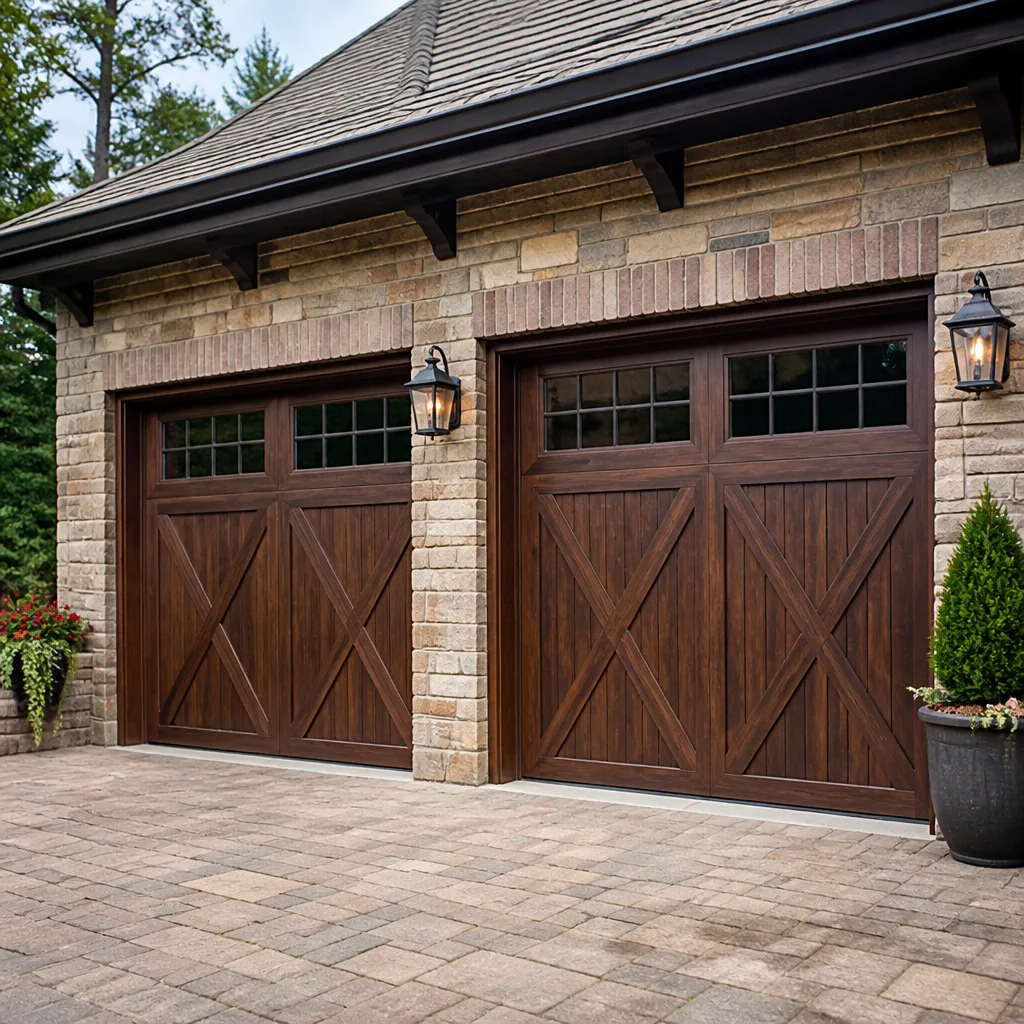 Carriage house
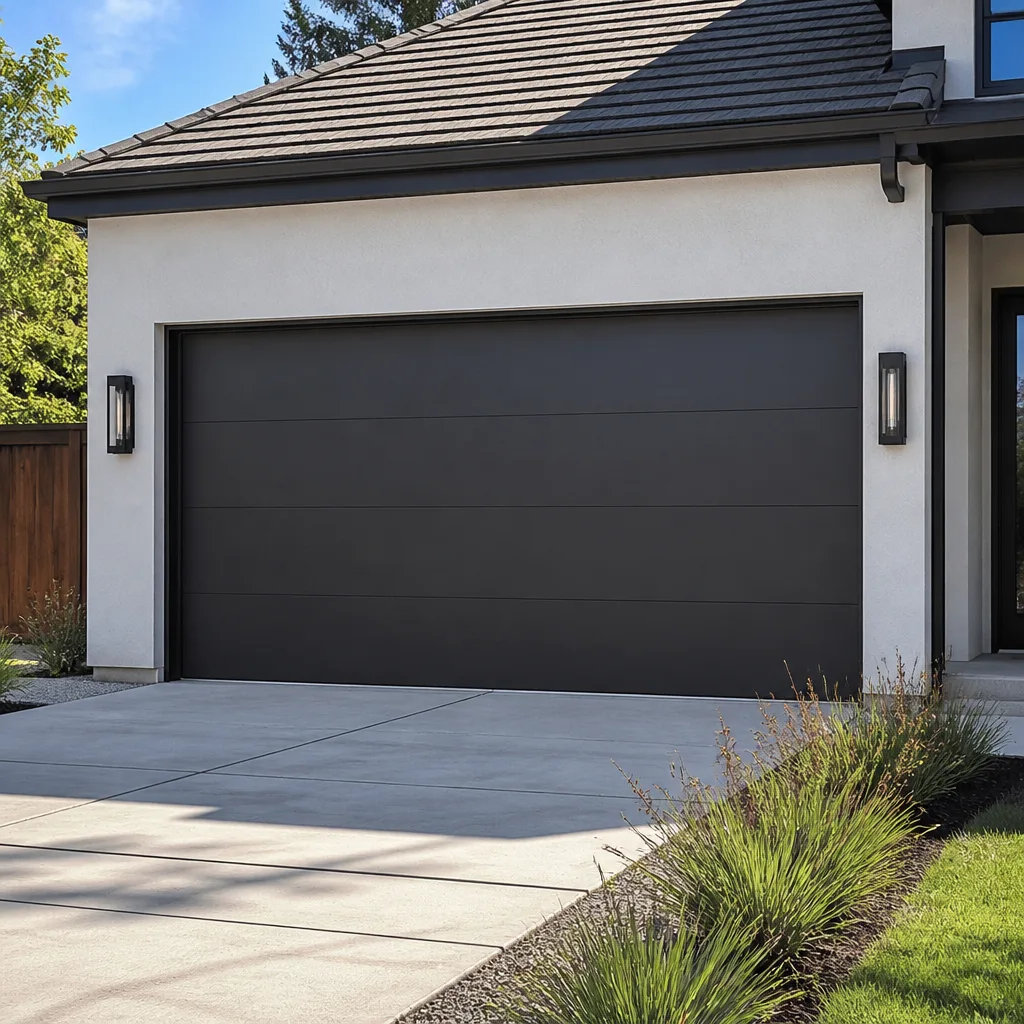 Modern flush
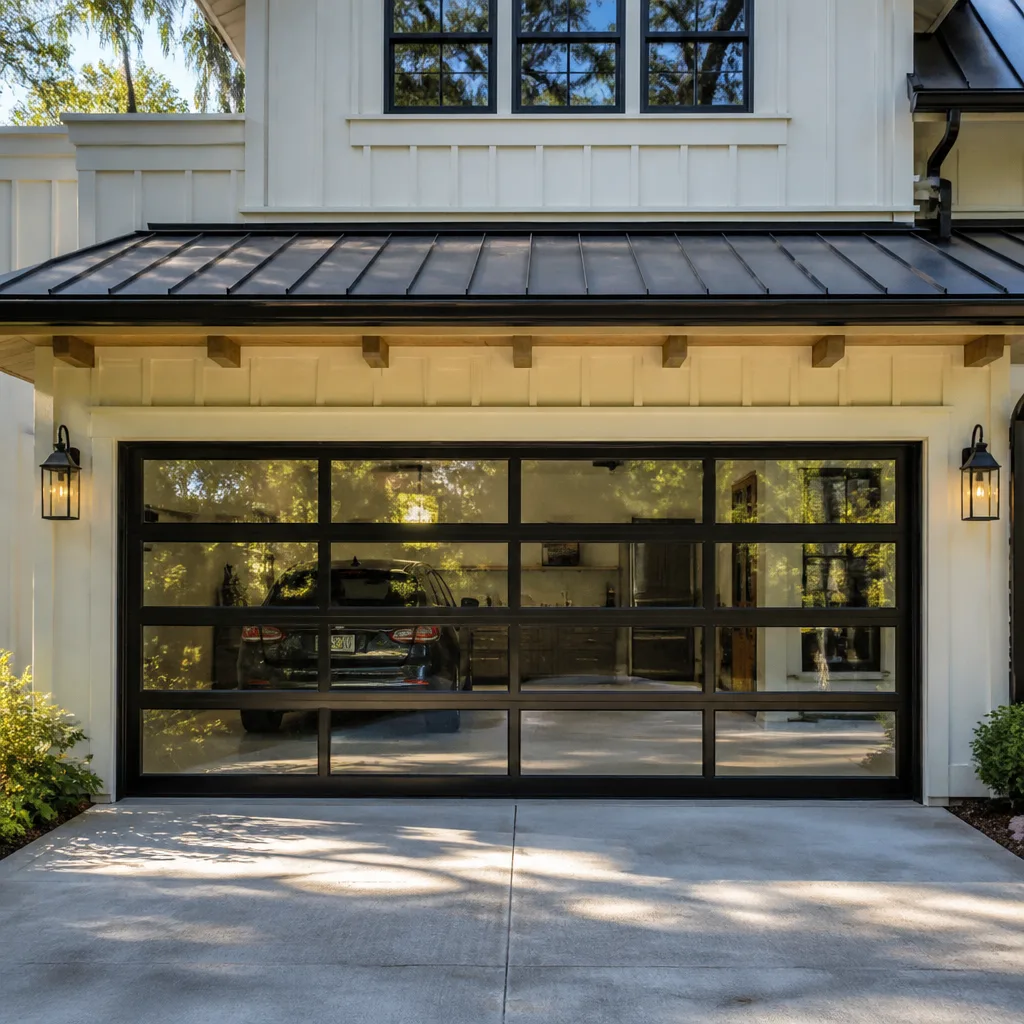 Full-view glass
 LiftMaster openers
 Chamberlain openers
Full 25-point door and opener safety check with every visit - springs, cables, rollers, tracks, and your LiftMaster or Chamberlain opener included
You get a price before we start. It does not change when the pro arrives.
Get your free estimateGarage Door Warning Signs: A Bridgewater Homeowner’s Reference Guide
Most garage doors in Bridgewater don’t fail without warning. They complain first: a shimmy when the door comes down, a creak that wasn’t there last month, a light that blinks instead of lifting the door. The trouble is that homeowners often mistake these early signals for normal wear and wait until the door stops working entirely. A second common misconception is that a slow, heavy door just needs a stronger opener. In reality, a strained opener is usually the messenger, not the problem. This guide walks through the warning signs that actually matter, what each one tends to mean, and how to tell which problems you can safely watch and which need a technician.
Quick Answer
Garage door warning signs fall into four groups: unusual noise, uneven or jerky movement, opener lights or reversing that happen without reason, and visible damage to springs, cables, rollers, or panels. The most serious signs are anything involving the two high-tension torsion springs at the top of the door and the cables that run beside them, which should never be handled by a homeowner. If you notice a snapped spring, a dangling cable, or a door hanging unevenly, stop operating the door and call a trained technician.
Styles & brands we work with
- Raised-panel steel
- Carriage house
- Modern flush
- Full-view glass
- LiftMaster openers
- Chamberlain openers
Table of Contents
- Why Is My Garage Door Suddenly So Noisy?
- What Does an Uneven or Jerky Door Mean?
- How Do You Know If a Garage Door Spring Is Broken?
- What Are the Signs Your Opener Is Failing?
- Which Warning Signs Are Safety-Critical?
- Why Bridgewater Doors Take a Beating
- A Simple Monthly Inspection Checklist
- Repair or Replace: How to Decide
Why Is My Garage Door Suddenly So Noisy?
A garage door that becomes noticeably louder over a few weeks is usually telling you that something in the moving hardware has worn or loosened. The usual suspects, in rough order of likelihood:
- Dry or worn rollers. Steel rollers on a hardened track eventually flatten and rattle. Nylon rollers quiet down for a while, then start to squeal when they wear.
- Loose hinge hardware. Hinges and brackets work themselves loose over thousands of cycles, and the vibration amplifies through the door.
- Track misalignment. A track that has shifted even a fraction of an inch makes the rollers scrape instead of roll.
- Worn torsion springs. A spring that is close to failing can lose tension unevenly and make the door groan as it travels.
- Loose opener chain or belt. A slapping chain or a stretched belt on a Genie or LiftMaster operator produces a rhythmic noise that tracks the door’s movement.
Grinding is different from rattling. A grind usually means metal is contacting metal where it shouldn’t, and that’s a sign to stop cycling the door until someone looks at it. A rattle or squeak is usually safe to live with briefly while you arrange a visit.
The honest answer most homeowners want: not all noise is urgent. A slightly louder door is a maintenance signal. A grinding, popping, or snapping door is a stop-and-call signal. In our experience working on Bridgewater homes, the difference between the two matters much more than the noise itself.
What Does an Uneven or Jerky Door Mean?
A door that rises crooked, hesitates, jerks, or dips to one side is almost always fighting a mechanical problem, not an opener problem. The opener is simply dragging the door along the track as best it can. A short list of what causes uneven travel:
- One spring stronger than the other. On a two-spring torsion setup, when one spring loses tension before its twin, the door lifts lopsided and can bind in the track.
- A bent or out-of-level track. Small dents, a shifted bracket, or a track knocked out of plumb during a bump against the door.
- Failing rollers on one side. Rollers that no longer spin freely will drag on one side of the door.
- Cable off its drum. If a lift cable slips off the drum on one side, the door will hang noticeably low on that corner. Cables are under very high tension and should never be adjusted or re-seated by a homeowner.
- Obstruction on the floor or track. A stray object or a buildup of debris in the bottom track channel.
Jerky motion is the classic early symptom of a failing spring. We treat it that way whenever we’re called out on a Bridgewater job: check the spring system before touching the opener. It’s far cheaper to address the spring than to replace an opener that was strained trying to compensate for a door that no longer balanced.
How Do You Know If a Garage Door Spring Is Broken?
A broken torsion spring is one of the few garage door failures you can hear without being nearby: it makes a loud report, like a heavy metal crack, when the spring snaps. Other signs include the door refusing to lift, a visible gap in the spring coil mounted above the door, or a door that suddenly feels much heavier when you try to lift it by hand (only attempt this if you can do it safely, with the door disconnected from the opener). If a spring is broken, do not run the opener. The safety caveat here is serious: torsion springs and the cables beside them are under extreme tension, and a spring under tension can cause serious injury. A snapped spring looks inert, but it isn’t. Never try to remove, cut, wind, or loosen a spring or cable yourself. This is exactly the kind of work that needs a trained technician with the right winding bars and the correct spring for your door.
Springs in Bridgewater tend to fail along the coil, and how long they last depends on how often the door cycles a day and what the door weighs. A two-car door cycled many times a day can wear out its springs well before a single-car door used less frequently. If you notice the door losing its balance gradually (it stops creeping back up when you disconnect the opener and lift it partway), it’s a sign the springs are nearing the end of their tension.
We treat spring repair as its own specialty, and we work on the spring systems found on Clopay, Amarr, and Wayne Dalton doors specifically. A matched pair of springs is usually replaced together when one fails, and the replacement should match the door’s weight, not just its size. That’s why an accurate diagnosis comes before any quote.
What Are the Signs Your Opener Is Failing?
An opener issue looks different from a door or spring issue. Common opener warning signs to watch for:
- Opener runs but the door doesn’t move. Often a stripped drive gear, a broken chain, or a disconnected trolley.
- Light flashes but nothing else happens. Usually a safety sensor or logic board problem.
- Door reverses immediately after starting to close. A photo-eye alignment issue far more often than an opener failure.
- Remote works intermittently. Battery, frequency interference, or a worn receiver.
- Door stops partway up or down. A travel-adjustment or force-setting issue, or an opener straining against a door it can’t lift.
We repair openers across the leading smart and legacy platforms, including Genie and LiftMaster systems, so most diagnoses here end in a repair, not a replacement. A brand swap or a new operator is the last resort, not the first suggestion. If a door’s opener is struggling, the right question isn’t “which opener should I buy” but “is the opener the problem, or is the door fighting it?”
Which Warning Signs Are Safety-Critical?
Certain warning signs are urgent because the door can fail without warning and injure someone. Treat the following as stop-using-the-door signals:
- A snapped torsion spring or cable. The door can come down hard if the balance is gone. Don’t operate it, and keep kids and pets clear.
- A door that reverses inconsistently when closing. The safety reversal system is a critical safety feature, and a door that fails to reverse on contact with an object should be taken out of service until it’s fixed.
- A door hanging noticeably lopsided or off its track. A door that comes out of the track can fall or trap someone underneath.
- A door that drops fast when closing. A sign that the spring or balance is compromised.
- A missing or non-functioning safety sensor. Garage doors built since the early 1990s have a photo-eye safety system, and it should always be in place and aligned.
If any of these apply, call a professional before running the door again. In Bridgewater we’ve seen doors limp along for weeks with a broken spring because the homeowner assumed it just needed a new opener. The safety margin on a heavyweight door is small. Treating the warning sign seriously is the difference between a repair and a bigger problem.
Why Bridgewater Doors Take a Beating
A few things about a Bridgewater garage door’s environment are worth knowing, because they change which failures you should expect. The first is what the door does every day: it cycles. A door in a household with two cars can cycle four times a day just on the school-and-work run, which is well over a thousand cycles a year. Springs wear based on cycles, not calendar time. That’s why two identical doors in the same neighborhood can fail at wildly different moments.
The second is the floor beneath the door. Slope, drainage, and how well the door sits against the threshold determine how much snowmelt, water, and grit reach the bottom seal and the bottom rollers. A door that sees pooled water after every heavy rain will wear its bottom hardware faster than a door on a well-drained driveway. Bottom seals that stay wet and then freeze and thaw stretch and split, and split seals let cold air and moisture into the bottom of the door.
The third is summer heat. A garage that faces the afternoon sun can reach temperatures high enough to stress a torsion spring’s tension over time. Those aren’t dramatic, but they add up. Altogether, a Bridgewater door should be checked for wear a little more often than a door in a mild climate, and the check should be focused on the spring system and the bottom hardware.
A Simple Monthly Inspection Checklist
A five-minute monthly check catches most problems while they’re still cheap. Here’s what to look and listen for, in order:
- Listen. Stand outside and cycle the door from fully closed to fully open and back. Note any change from last month.
- Watch the travel. Does the door move evenly across the full cycle, or does it wobble or hesitate on one side?
- Check the balance. With the door closed and disconnected from the opener, lift it about halfway and let go. A well-balanced door stays put. A door that drops fast or feels very heavy to lift is signalling a spring problem.
- Look at the springs. From the floor, look up at the torsion spring above the door. A visible gap in the coil means it’s broken.
- Inspect the cables. Look for cables that are frayed, kinked, or hanging loose. If a cable is off its drum, don’t touch it. Call.
- Check the safety reversal. With the door closing, wave your leg or a piece of cardboard in front of the photo-eye sensor. The door should reverse. If it doesn’t, get the sensor realigned before you use the door again.
- Check the weather seal. Look at the bottom seal for cracks or soft spots where water can get in.
None of these steps involve adjusting anything. They are ears-and-eyes checks. The door and hardware are under enough tension that adjustments and repairs are a job for a trained technician.
Repair or Replace: How to Decide
Homeowners ask whether a string of warning signs means the door is on its way out. The answer depends on the door’s condition and the pattern of the failures. Signposts that repair is the better path:
- The door panels are sound. Dents, rust-through, cracked panels, or a warped frame often signal replacement territory.
- The failures are in the moving hardware. Springs, rollers, cables, hinges, and openers are repairable on virtually any door.
- Only one system is failing. A failing opener alone doesn’t call for a new door, and a worn spring doesn’t call for a new opener.
- The tracks are straight and intact. Bent tracks can sometimes be corrected, but they’re also a sign the door has been through something.
Signposts that replacement may be worth discussing with a technician include a door with multiple warped panels, panels that have separated from their frame, or a bottom section that has rotted through. Even then, the decision is the homeowner’s, and it’s better made with a full diagnosis than guessed at from a distance.
Common Mistakes to Avoid
- Assuming the opener is the problem. A slow, heavy, or jerky door usually has a spring or balance issue that’s straining the opener. Replacing the opener without fixing the door fixes nothing.
- Ignoring a broken spring because the door still opens. A door with a broken spring can sometimes still be dragged by the opener for a few cycles. That’s a sign the opener is doing the spring’s job, and it’s a recipe for a bigger failure.
- Greasing the torsion springs and cables. Springs and cables are under tension and don’t need lubrication. If they need work, they need a technician, not a spray can.
- Trying to re-seat a cable that’s come off the drum. This is one of the most dangerous things a homeowner can do. Cables are under very high tension and can cause serious injury. Call a professional.
- Assuming seal problems are cosmetic. In Bridgewater, a split or worn bottom seal lets water and grit into the bottom hardware and speeds up wear on rollers and hinges.
- Using a single-brand dealer when you need objective advice. A dealer who only services one brand is likely to recommend that brand. A multi-brand specialist can tell you which opener or door part is actually failing.
- Skipping the safety reversal test. It’s the single most important safety check on any garage door, and it takes thirty seconds.
See the difference
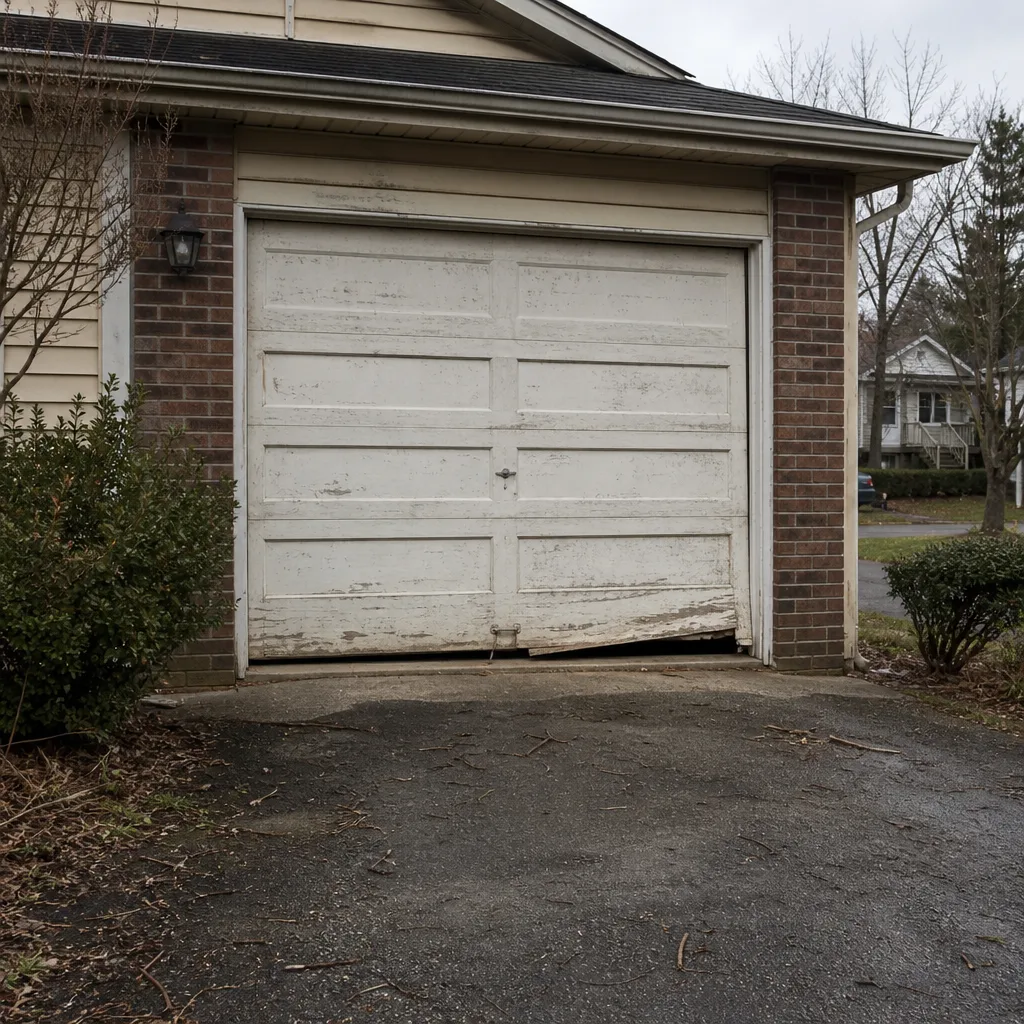 Before
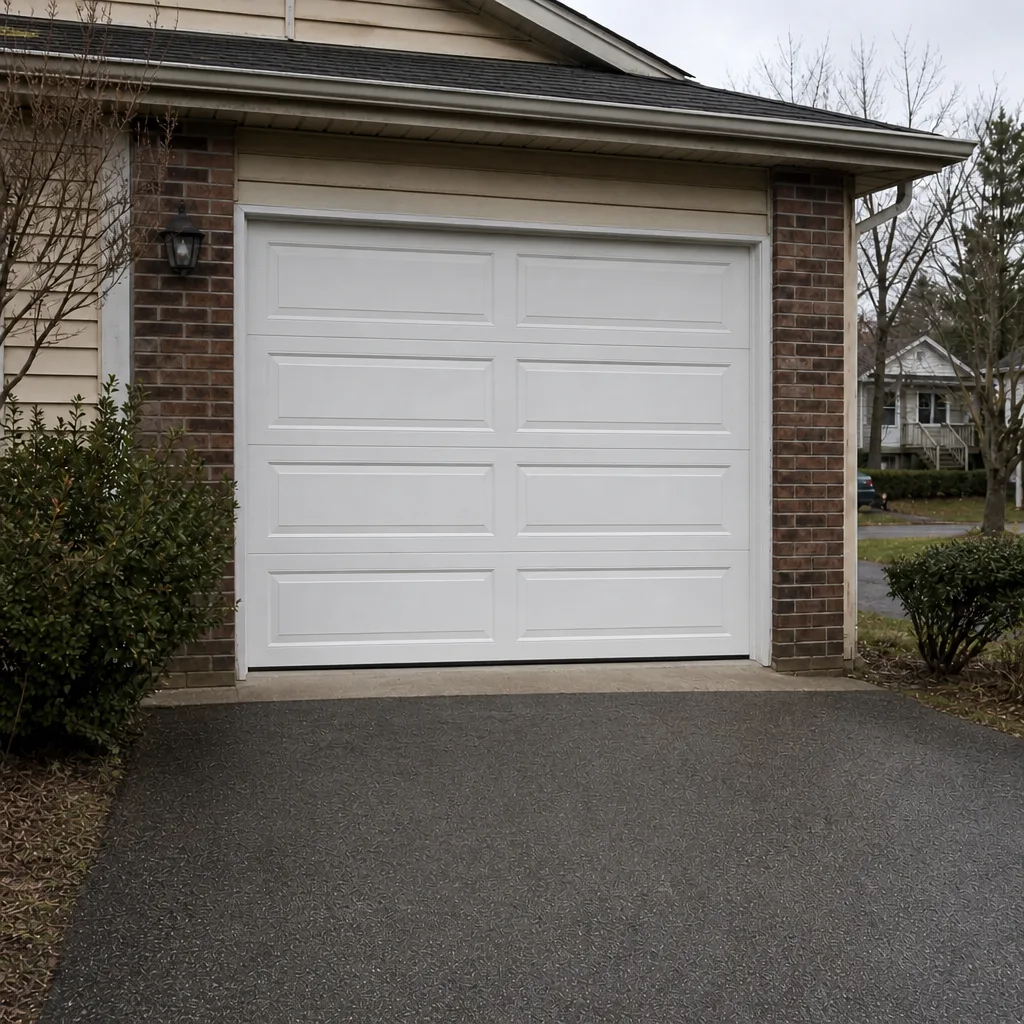 After
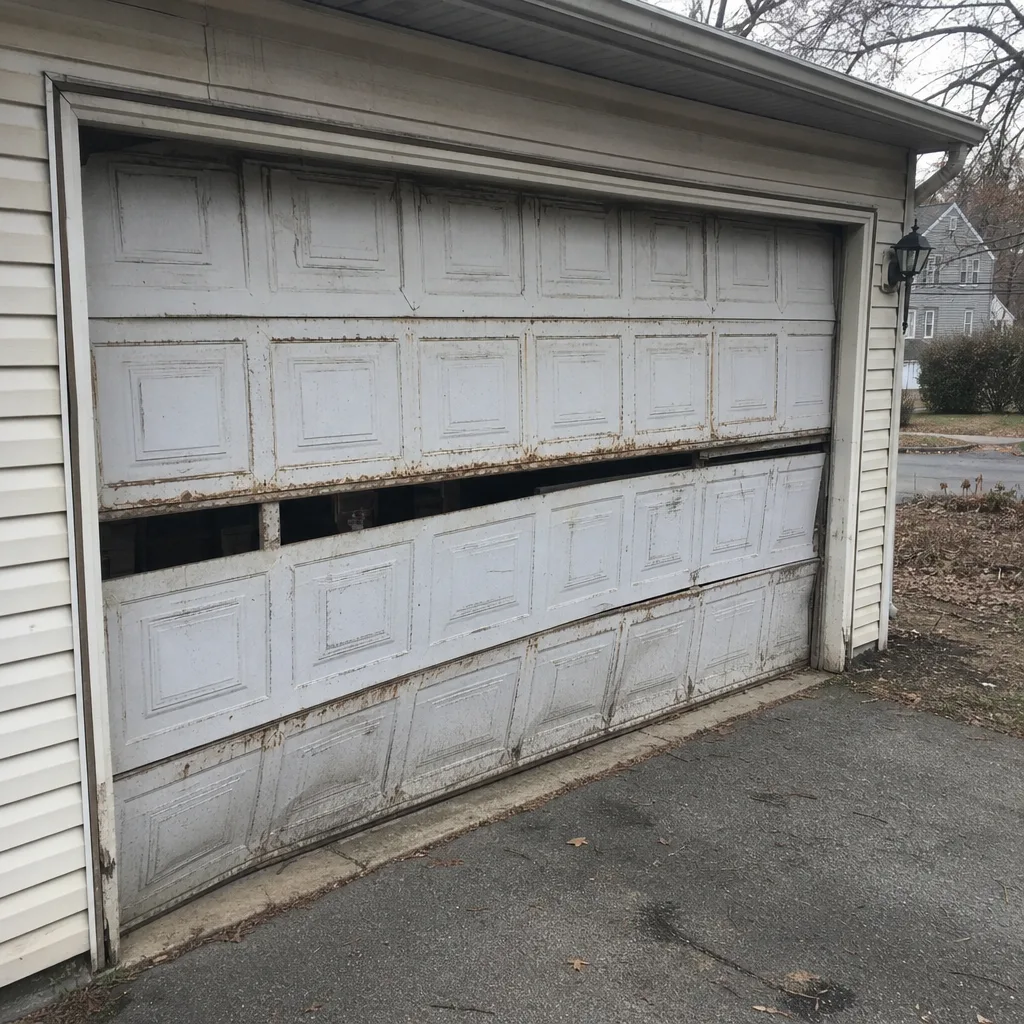 Before
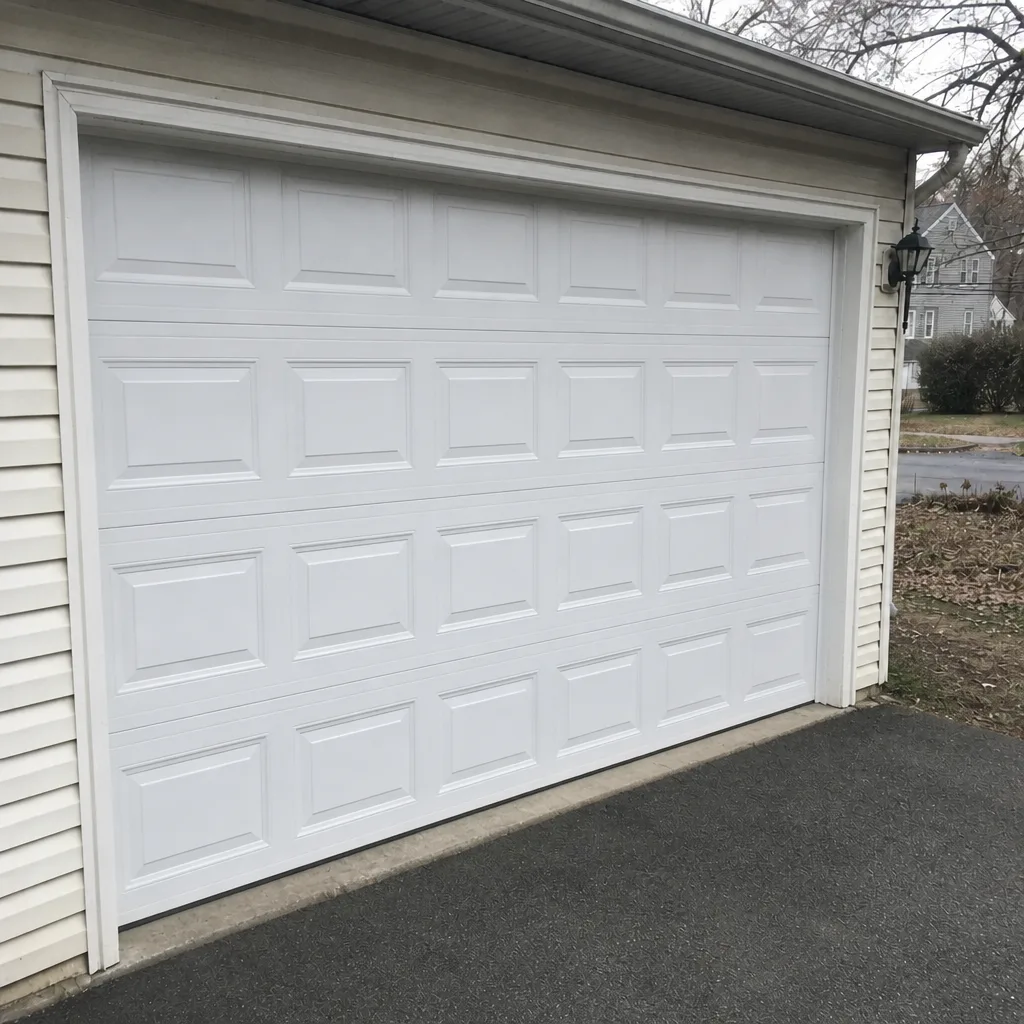 After
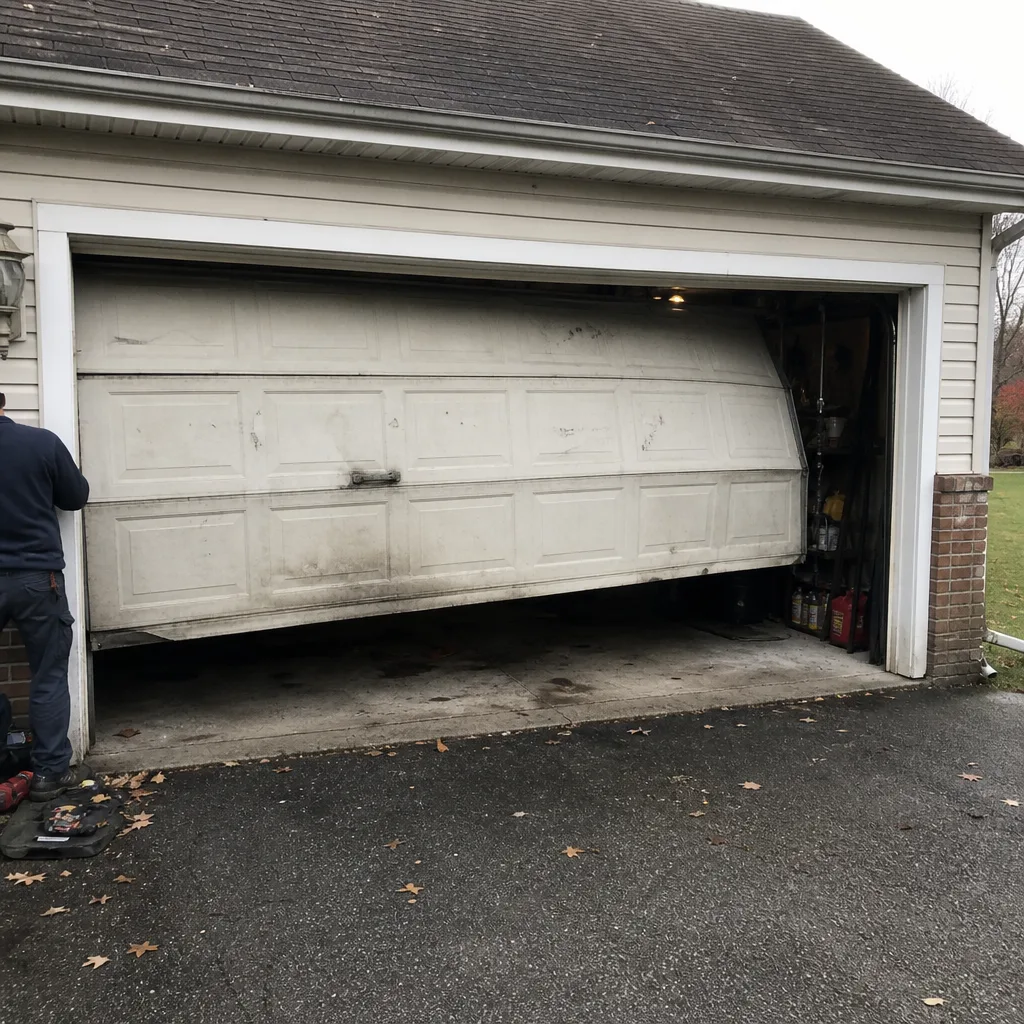 Before
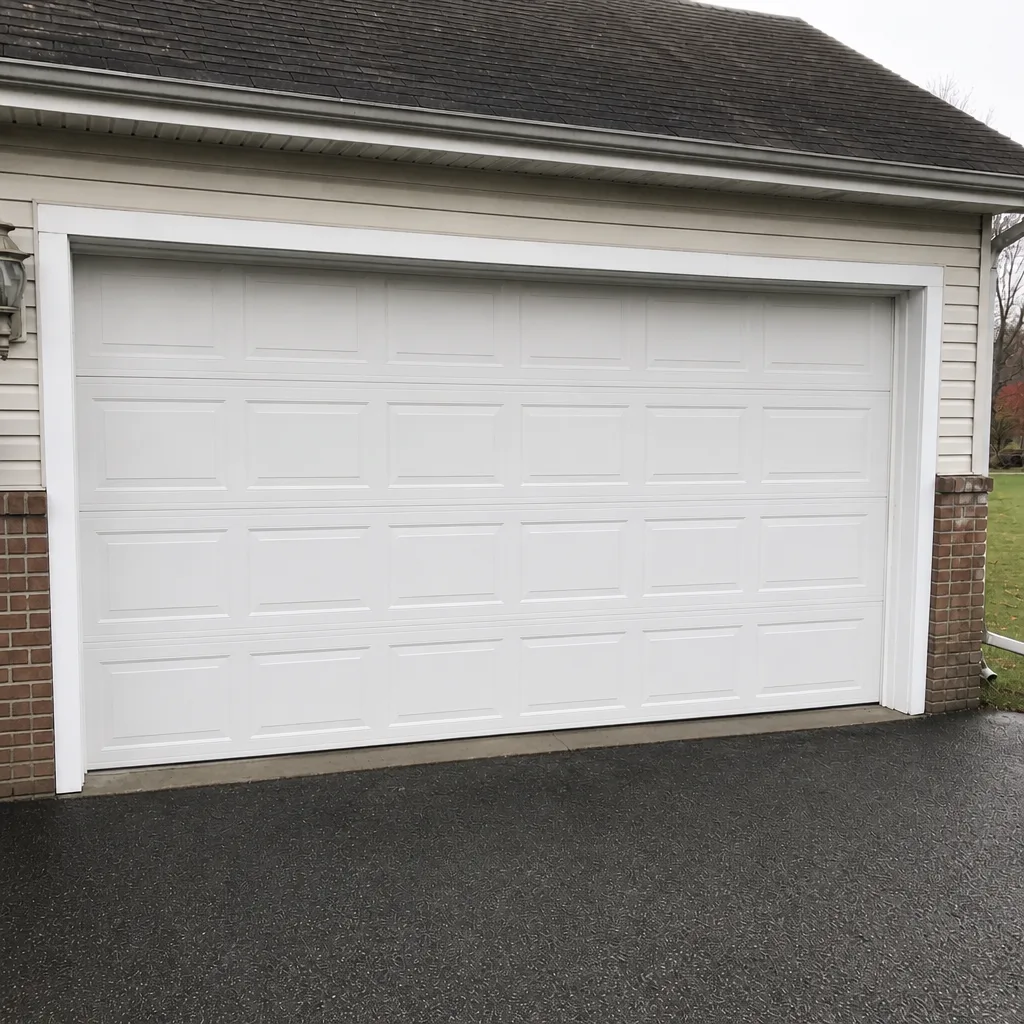 After
When to Call a Professional
Call a professional if any of the following applies: a spring has snapped or the door feels extremely heavy; a cable is off its drum, frayed, or hanging loose; the door is hanging crooked or has come out of its track; the door reverses inconsistently or won’t reverse at all; the opener runs but the door doesn’t move; or the door drops fast when closing. Any of these is a stop-using-the-door signal, not a watch-and-wait signal. Bridgewater Garage Door Repair offers free estimates in Bridgewater. Call (855) 903-1456 to arrange a diagnosis, and we’ll tell you what’s actually failing before you decide anything.
Frequently Asked Questions
No. Torsion springs and lift cables are under extreme tension, and releasing or winding them without the right tooling and training can cause serious injury. This is a job for a trained technician with the correct winding bars and the correct spring for your door. If a spring is broken or a cable is off its drum, stop operating the door and call a professional.
The quickest test is the balance test: close the door, disconnect the opener, and lift the door halfway. A balanced door stays put; a door that drops fast or feels very heavy has a spring or balance problem. If the door moves freely by hand but the opener won’t move it, the opener is the likely culprit. When we’re called out in Bridgewater, we run the balance test before we touch the opener.
Usually the photo-eye safety sensor, not the opener. Check for dirt on the lenses, an object in the sensor’s path, or a sensor that’s been knocked out of alignment. If cleaning and realignment don’t fix it, the sensor or wiring may need a technician’s look. Call us if the reversal persists; a door that doesn’t reverse consistently is a safety issue.
Once a month is a good rhythm for a typical household. Listen to the door, watch its travel, do the balance test, and check the photo-eye sensor with a quick wave. Bridgewater homeowners dealing with a lot of daily cycles or a high-traffic garage benefit from this kind of quick monthly check.
Not necessarily, but noise is the cheapest warning sign you’ll get. A rattle or squeak is usually worn rollers or loose hardware and is safe to investigate; a grind, pop, or snap is a stop-and-call signal. If the noise has changed noticeably in a short window, that’s worth a professional look.
We’re a multi-brand specialist and work on LiftMaster, Chamberlain, Genie, Clopay, Amarr, Wayne Dalton, Craftsman, and Raynor systems. Our technicians have up to 10 years of experience across those systems. If your door has a brand not in that list, call (855) 903-1456 and we’ll tell you whether we can work on it. You can also read more about Bridgewater Garage Door Repair options.
The Bottom Line
Garage door warning signs fall into two categories: the ones you watch and the ones that mean stop using the door. Noise, jerky motion, worn seals, and an opener that hesitates are watch signs, and a monthly check catches them early. Snapped springs, dangling cables, doors that hang crooked, and a failed safety reversal test are stop signs, and they need a technician. If you live in Bridgewater and your door is showing any of these stop signs, the fastest path forward is a diagnosis, not a guess. One call covers the door, the opener, and the springs, and the quote comes before the work.
Call Bridgewater Garage Door Repair at (855) 903-1456 for a free estimate on garage door repair in Bridgewater.
Written by the team at Bridgewater Garage Door Repair.