Last updated November 20, 2026
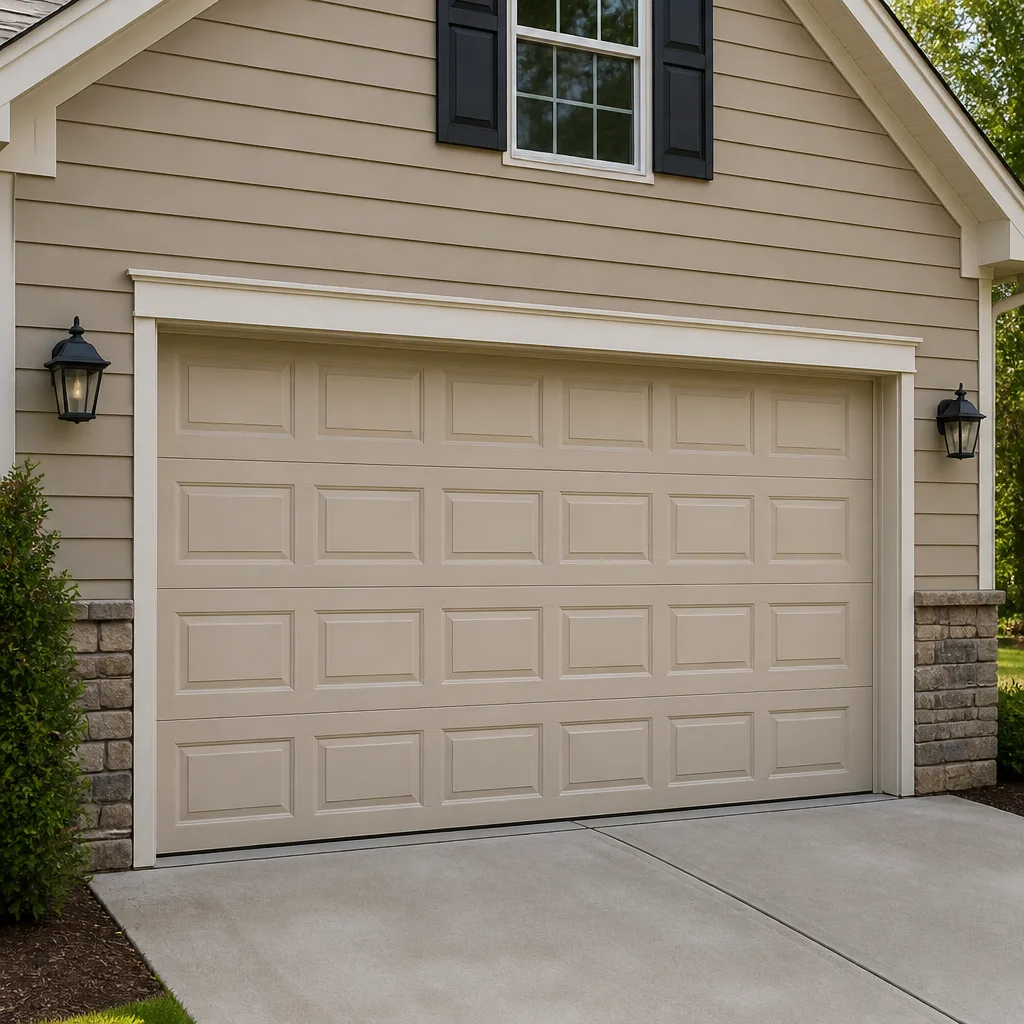 Raised-panel steel
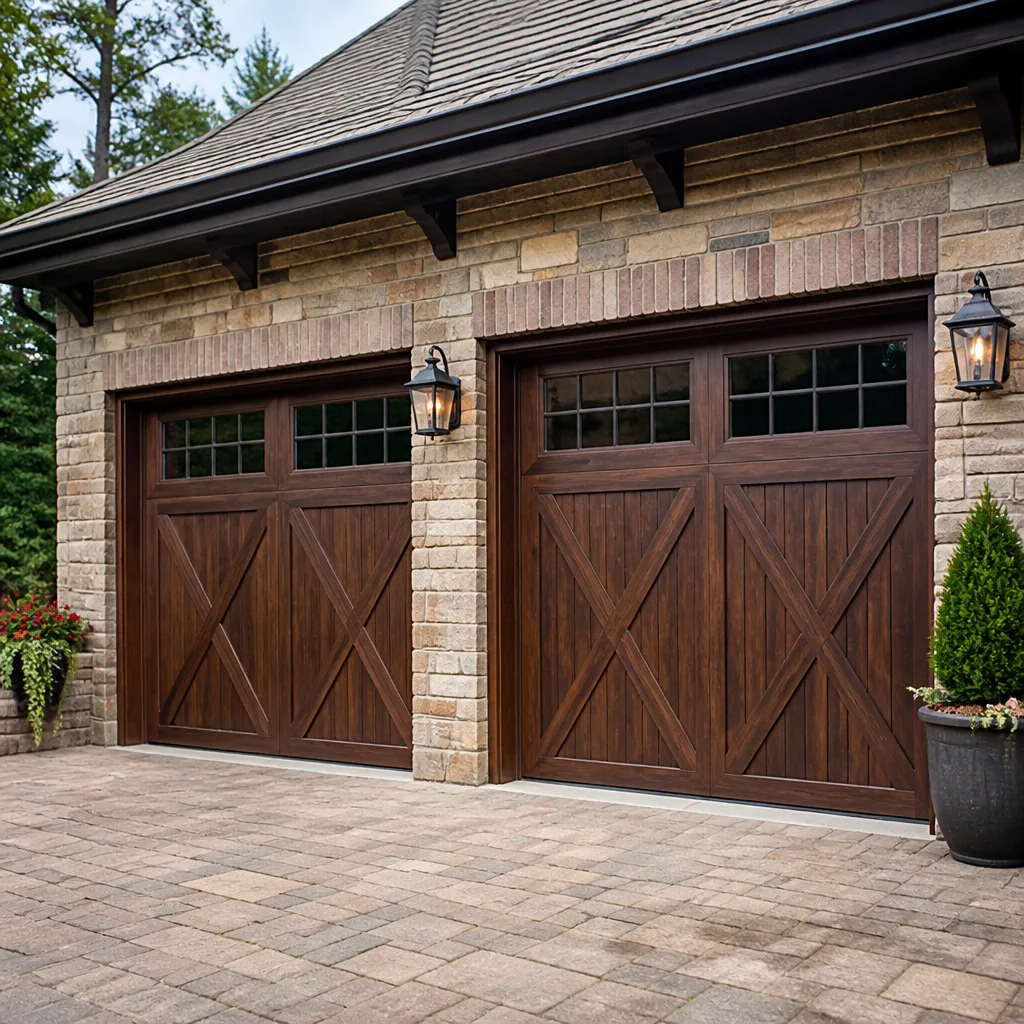 Carriage house
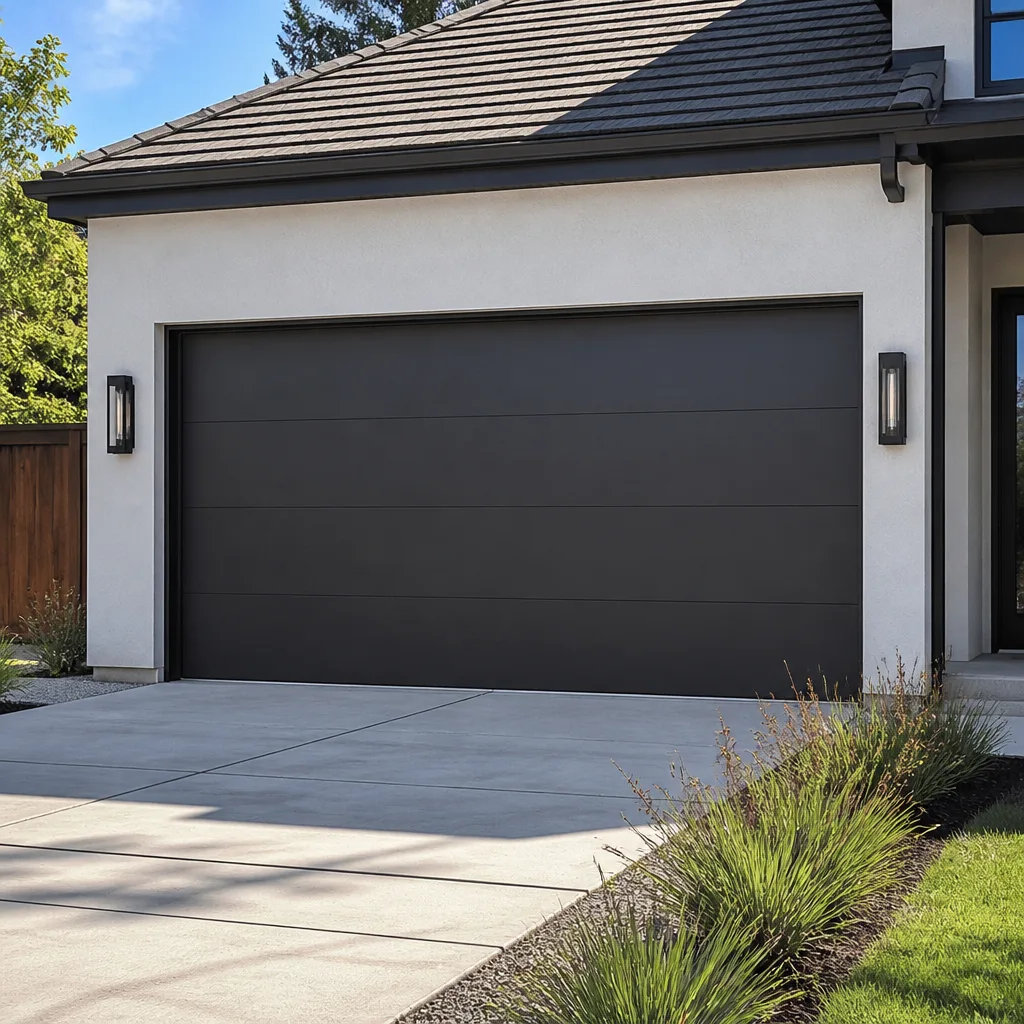 Modern flush
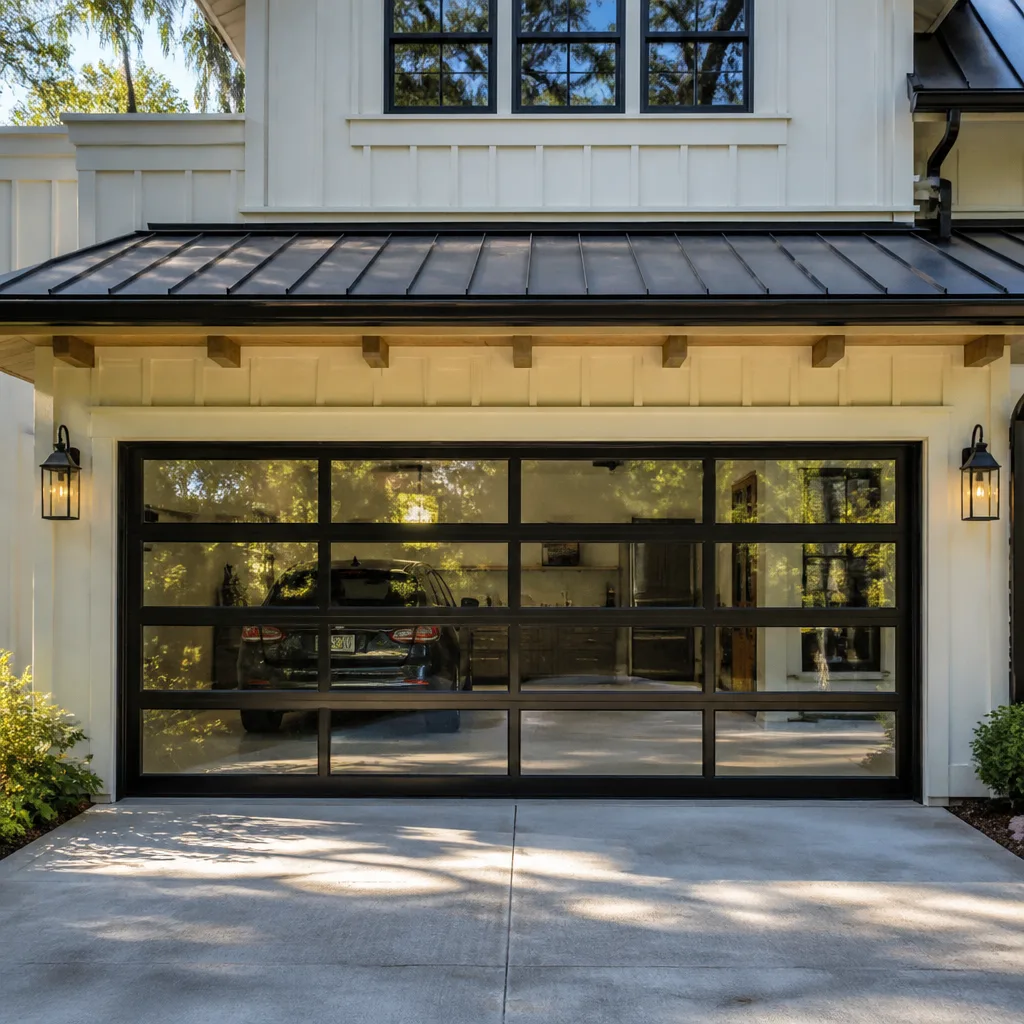 Full-view glass
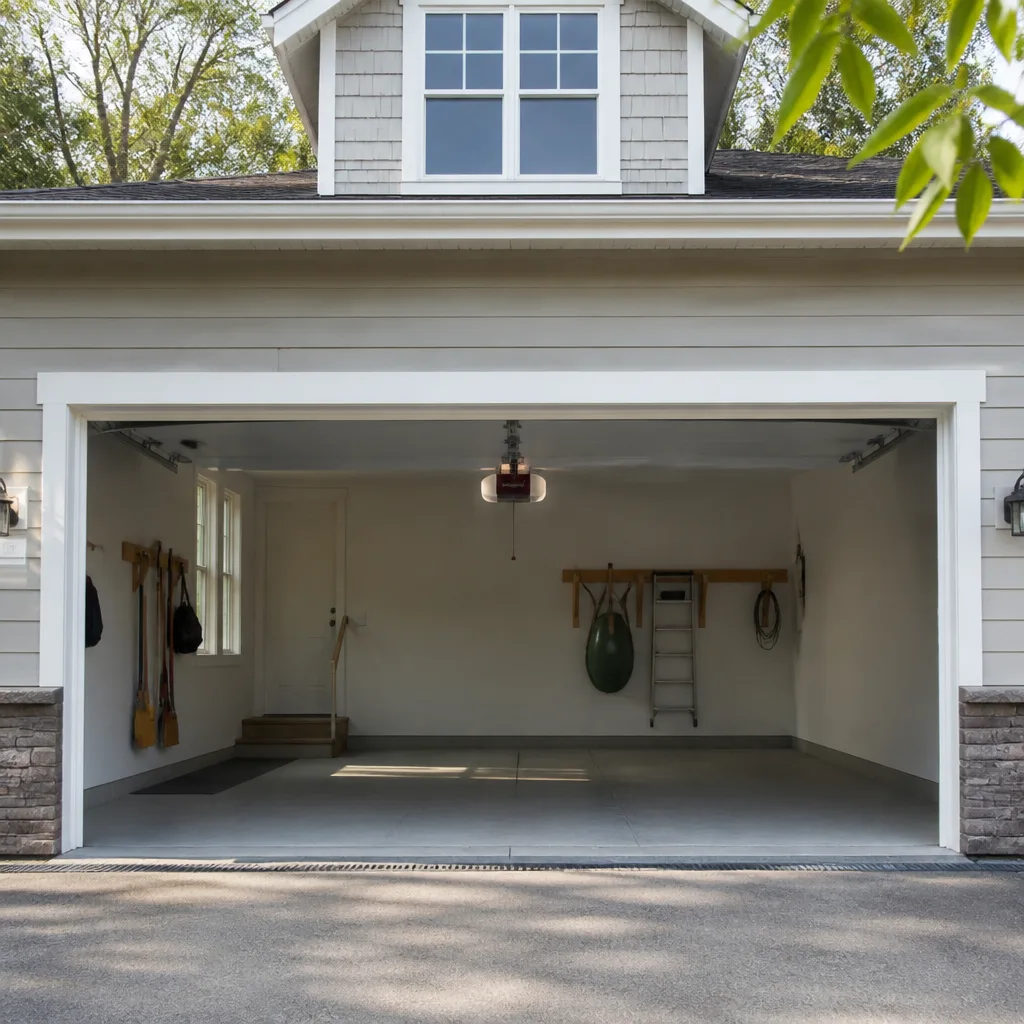 LiftMaster openers
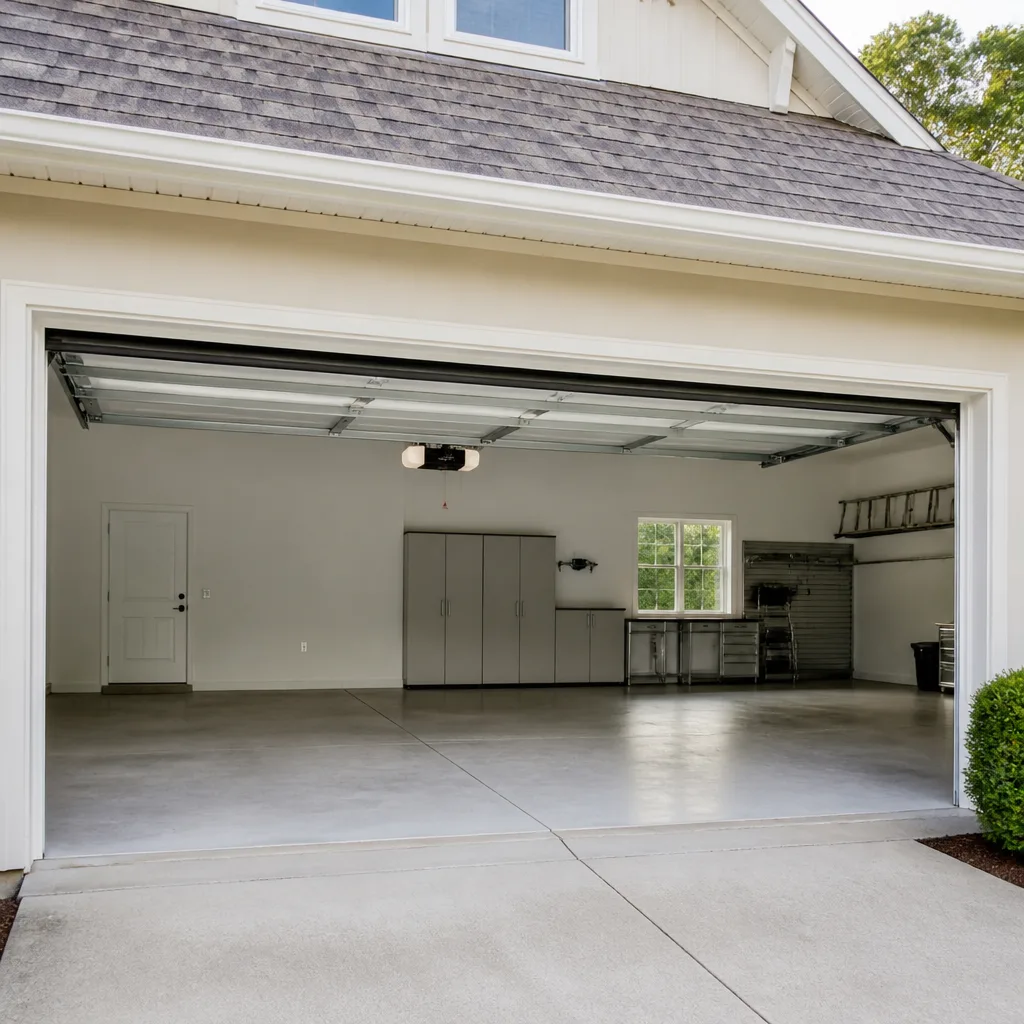 Chamberlain openers
Full 25-point door and opener safety check with every visit - springs, cables, rollers, tracks, and your LiftMaster or Chamberlain opener included
You get a price before we start. It does not change when the pro arrives.
Get your free estimateGarage Door Repair Maintenance Checklist for Bridgewater Homeowners
Most garage doors don’t fail without warning. They give you months of small signals – a rattle on the way up, a slow spot near the top, a roller that’s started to squeal – and those signals get ignored until the door won’t open at all. The counterintuitive part? The cheapest repair is usually the one you do long before something breaks. We work on garage doors across Bridgewater every week, and the calls we get tell the same story: the things that break are almost always the things nobody looked at. This guide walks you through a real maintenance checklist, explains what each check is actually looking for, and tells you when to stop and call a technician instead of reaching for a wrench.
Styles & brands we work with
- Raised-panel steel
- Carriage house
- Modern flush
- Full-view glass
- LiftMaster openers
- Chamberlain openers
Quick Answer
A complete garage door maintenance check covers six things: the balance of the door, the condition of the rollers and hinges, the springs and cables, the opener’s reversing safety feature, the weather seal and panel alignment, and the lubrication points. In Bridgewater’s climate – cold winters, humid summers, and plenty of freeze-thaw cycles through the colder months – that check should happen twice a year, ideally in early spring and late fall before winter sets in. Anything involving springs or cables is a trained-technician job, not a homeowner one.
Table of Contents
- Why Garage Door Maintenance Matters in Bridgewater
- The 10-Minute Monthly Check
- The Full Seasonal Checklist
- Springs and Cables: What to Check, Never What to Touch
- Opener Maintenance and Safety Testing
- Weather Seals, Tracks, and the Bridgewater Winter
- When a Check Turns Into a Repair
- Common Mistakes to Avoid
- When to Call a Professional
- Frequently Asked Questions
Why Garage Door Maintenance Matters in Bridgewater
A garage door is the largest moving assembly on most homes, and it’s loaded under constant tension. The springs that lift it are wound tight enough to move hundreds of pounds, the opener pulls the whole weight of the door every time it cycles, and the tracks guide a panel that has to stay square through thousands of up-and-down trips. In a climate like Bridgewater’s, that equipment goes through real stress. Winter cold stiffens the lubricant in hinges and rollers, then thaws into slush that works its way into the tracks. Summer humidity swells wooden panels and works on the steel. Over a full year in central New Jersey, a door can cycle close to a thousand times just from normal daily use.
That’s why maintenance pays for itself in fewer breakdowns and longer part life, not usually in spectacular dollar savings. A door that’s balanced and lubricated puts less strain on the opener, and the opener motor is often the most expensive single component to replace. A door with dry rollers and misaligned tracks grinds through its hinges in a couple of seasons. Bridgewater homes with older single-car garages tend to have lighter doors and older openers; the newer two- and three-car garages often run heavier insulated doors where the springs are under more load. Either way, the checklist is roughly the same, and the payoff is fewer emergency calls.
If you take one idea from this section, make it this: maintenance is about catching wear early, before it becomes a broken part. The list below is written for homeowners who want to do the safe checks themselves and know when to hand off. For anything involving the springs, cables, or the electrical side of the opener, that handoff is not optional – those are the parts that hurt people. Our broader Bridgewater Garage Door Repair page explains the full scope of what a technician visit covers if you’d rather book the whole check than do it yourself.
The 10-Minute Monthly Check
You don’t need to spend an hour on this. Ten minutes once a month catches the small things before they turn into big ones, and most of what you’re doing is looking and listening. Here’s the short version, in order:
- Watch and listen. Run the door up and down once while you stand back. It should move smoothly, without rattling, scraping, or jerking. Any new noise is worth a second look.
- Check the balance. With the door fully closed, pull the manual release cord so the opener disengages, then lift the door by hand to about waist height. It should stay roughly where you let go, maybe drift a little. If it slams down or won’t stay up, the springs are out of balance and it’s time for a technician.
- Look at the rollers and hinges. A quick visual pass: any roller that’s cracked, chipped, or wobbly is a problem. Hinges should be tight and dry of rust where you can see them.
- Check the tracks. Run your hand along the inside of each track (carefully, at the edges). It should feel smooth. Any dent, kink, or debris is a sign the door is dragging.
- Test the safety reverse. Put a small block of wood or a folded towel on the floor under the door and run the door down. It should reverse when it touches the object. If it doesn’t, the opener needs adjustment before you use the door again.
- Look at the weather seal on the bottom. A torn or flattened bottom seal lets in cold air, water, and pests. This is a cheap part to replace and an easy thing to catch monthly.
Month by month, this is quick. If any single item fails, don’t overthink it – either fix the simple ones (seal, lubrication) yourself or book a visit for the ones that involve tension or electricity. The point of the monthly check is to notice, not to repair everything on the spot.
The Full Seasonal Checklist
Twice a year, the check goes deeper. In Bridgewater, the natural times are early spring (after winter’s freeze-thaw has finished working on the door) and late fall (before the first hard freeze). Here’s the full list:
- Inspect all panels. Look for dents, cracks, and rust spots, especially along the bottom panel where road slush and salt splash up. A cracked steel or composite panel will only get worse through freeze-thaw.
- Test the balance again. As above – the door should hang near where you leave it. A door that’s drifted out of balance over the season puts constant strain on the opener.
- Check the springs. Visual only. Look for gaps in the coil, rust, or a stretched look. Never unwind, adjust, or touch a spring with tools – we cover that below.
- Inspect the cables. Straight, tight, and evenly wound on their drums. A frayed cable or one that’s jumped off the drum is a call-a-technician situation.
- Lubricate the moving parts. Hinges, rollers (metal ones), and the torsion tube bearings get a proper garage door lubricant, not WD-40. Apply sparingly; excess attracts dust and grit.
- Clean and align the tracks. Wipe them down with a damp cloth. Do not use grease in the tracks – it collects dirt and makes the door drag.
- Test the opener. The safety reverse and the photo-eye sensors. Both are covered in the opener section below.
- Check the bottom seal and side seals. Replace worn weatherstripping before winter. It’s the cheapest defense against a cold, drafty garage.
- Run the whole door several times. Listen for changes in sound. The door should sound the same on the fourth cycle as it did on the first.
This is roughly an hour of work for a homeowner who’s comfortable on a stepladder. In our experience across Bridgewater, the seasonal check catches the majority of the parts that would otherwise fail over the following year. It’s the single most useful thing you can do for your door and opener.
Springs and Cables: What to Check, Never What to Touch
Springs and cables are what make this a specialist’s job. A torsion spring – the kind mounted on a bar above the door – is wound to hundreds of pounds of stored tension. If it slips while you’re near it, the release is violent and there’s no safe way to catch it. Extension springs (the kind that run alongside the door) carry the same problem, and when they break they snap back toward the wall. Cables are the next line of tension. None of this is meant to scare you; it’s meant to tell you plainly: the safe homeowner check for springs and cables is visual, from the floor, hands off.
What to look for (eyes only)
- Gaps in the coil. A spring that’s broken usually shows a visible gap or split in the coils. If you see one, the door should not be operated until it’s repaired.
- Rust. Surface rust on springs weakens them over time and is common in Bridgewater’s winter slush.
- Frayed or kinked cables. A single broken wire in a cable is a sign the cable is close to failing.
- Cables off the drum. If a cable has slipped off the drum at either end, stop using the door.
- Lopsided door. If one side of the door lifts faster than the other, springs or cables may have lost tension.
For any of those, the correct checklist item is: call a technician. Spring repair requires brand-specific knowledge and proper tooling – a Genie or a Clopay torsion setup is not the same as the generic hardware on a builder-grade door, and the wrong tool or the wrong winding bar can turn a broken spring into an injury. A trained technician confirms the balance, sizes the replacement correctly for the door’s weight, and tests the door under load before leaving. Our technicians have up to 10 years of experience with high-tension spring work, and that’s the part of the checklist we will never advise a homeowner to attempt themselves.
Opener Maintenance and Safety Testing
The opener gets blamed for a lot of garage door problems that actually start at the door. A door that’s out of balance drags down the opener motor until the motor fails. So before you touch the opener, do the door balance check. If the door is balanced and the opener still struggles, then you’re looking at the opener itself.
Two safety tests to run twice a year
- Photo-eye test. With the door open, wave an object in front of one of the two sensors at the bottom of the tracks (usually about 6 inches off the floor). The door should reverse immediately. If it doesn’t, the sensors are misaligned or dirty – a common and cheap fix – or the opener’s safety circuit has failed.
- Reverse test. Place a 2×4 or a folded towel flat under the closing door. When the door touches it, it should reverse and go back up. If it closes on the object with force, the opener’s force setting is too high or the safety reverse mechanism has failed. Stop using the door until it’s adjusted.
Beyond those, a few regular opener checks:
- Look at the opener light and display. If the light flickers or the button doesn’t respond cleanly, the logic board or receiver may be failing.
- Check the wall button and remotes. A button that needs pressing twice, or a remote that opens the door only from close range, usually points to a battery, a mis-programmed remote, or a worn opener receiver.
- Lubricate the opener’s chain or belt. Chain-drive openers need a light lubricant on the chain; belt-drive models generally don’t need lubrication on the belt itself.
- Clear the safety sensors of spider webs. In Bridgewater’s humid summers, the photo-eye lenses fog and collect webs. A wipe down with a soft cloth is often the whole fix.
When an opener needs a real repair, brand matters. A LiftMaster logic board issue, a Chamberlain remote pairing problem, and a Genie gear-and-sprocket failure are three different jobs. We diagnose before we quote – opener repair doesn’t have to mean a brand swap or a full replacement, and it shouldn’t.
Weather Seals, Tracks, and the Bridgewater Winter
Central New Jersey winters are the hardest season on a garage door. Road slush from a Bridgewater winter gets dragged into the tracks and refreezes overnight, and the freeze-thaw cycle that hits driveways also hits the bottom weather seal. A worn seal lets meltwater into the garage, where it can soak into stored items and into the base of the door panel. The good news is that weatherstripping is the simplest maintenance item on this list, and the one most worth doing before the first hard freeze.
Bottom seal
Lift the door slightly and check the rubber or vinyl strip along the bottom edge. If it’s cracked, flattened, or coming loose from the retainer, replace it. A good seal keeps out cold air, water, and the mice that look for warmth in fall. This is a homeowner-friendly job on most doors, but the bottom seal on a heavier insulated door can require the door to be held in a specific position while the retainer is removed, so read the manufacturer’s instructions before you start.
Side and top seals
The brush or rubber strips along the sides of the frame keep drafts out. Check them the same way – any torn or missing sections let in cold air and driven rain, and replacing them is inexpensive.
Tracks and panel alignment
Inspect the vertical and horizontal tracks for dents, kinks, or grit. A dented track forces the rollers to grind, which over time wears out the rollers and stresses the opener. If the door panel sits crooked in the opening (you can usually spot this by looking at the gap along one side), the tracks are probably out of alignment. Track straightening is a technician job – a misaligned track that’s forced back with the wrong tool can pull loose from its mounts. In Bridgewater, the most common cause we see of a crooked door is a track that took a bump from a car in a tight garage; if your garage is small, check the tracks monthly for dents near the bottom.
When a Check Turns Into a Repair
A maintenance checklist is a triage tool. Some findings you fix yourself; others are the point where a professional should take over. Here’s a simple way to sort a finding when you’re standing in the garage:
- Do it yourself: wiping tracks, replacing the bottom weather seal, lubricating rollers and hinges, cleaning photo-eye lenses, replacing remote batteries.
- Schedule a visit: rollers that are cracked or wobbly, a balance problem, a door that reverses inconsistently, an opener that struggles, weather seals that won’t stay put, or a panel with a crack that might spread.
- Call now, stop using the door: a visible gap in a spring coil, a frayed or off-drum cable, a door that won’t stay in position when disengaged, or a door that closes on an object without reversing.
The calls we’d rather you make early are the ones about balance and the ones about the safety reverse. Those two problems are the source of most of the opener strain and the most safety risk, and both are simple to fix when caught early.
Common Mistakes to Avoid
- Greasing the tracks. A lot of homeowners think a little grease in the tracks will keep the door quiet. It does the opposite – grease holds dust and grit, which makes the rollers drag and wears out the track faster. Keep tracks clean and dry.
- Using WD-40 on hinges and springs. WD-40 is a solvent, not a lubricant. Use a proper garage door lubricant on hinges and metal rollers. Never spray anything onto the springs themselves – a technician’s inspection should be the only hands-on work there.
- Adjusting the opener’s force setting to fix a reluctant door. If the door won’t close, the force setting isn’t the problem; the track, the rollers, or the springs are. Turning the force up just makes the opener work harder against a real fault. In a Bridgewater winter, a stiff door is often cold-stiffened lubricant, not a weak opener, and a service visit is the actual fix.
- Ignoring a visible spring coil gap. A broken spring can look like a small crack in one coil. It’s not small. If you see a gap, don’t run the door.
- Prying a bent track back into place. A bent track should be straightened or replaced with the right tool, or it will pull loose from its mounts. This is one of the most common do-it-yourself mistakes we see around Bridgewater.
- Skipping the balance check after any repair. Even a small change to the rollers or a panel can throw the balance off. Re-check balance after any work on the door.
- Leaving the manual release disengaged. If you pulled the release cord for the balance check, remember to re-engage it before you press the opener button – otherwise the door stays disconnected and the opener will run without lifting it.
When to Call a Professional
Call a professional when the checklist turns up anything involving springs, cables, or a door that’s out of balance, and whenever the opener’s safety reverse fails. Those are the situations where the risk of injury or further damage outweighs the value of doing it yourself. Call sooner if the door won’t move, moves unevenly, or makes a loud bang during operation – that’s often a broken spring or a failing opener, and continuing to run the door makes it worse. If the garage door is one of two or more on a property you manage in Bridgewater, set up a seasonal check for each door; the checklist scales, but a missed check on one door usually means an emergency call later. Bridgewater Garage Door Repair offers free estimates in Bridgewater – call (855) 903-1456 to book the check or to get a quote on whatever the checklist turned up.
Frequently Asked Questions
Twice a year, ideally in early spring and late fall. Bridgewater’s winters bring freeze-thaw cycles that work on the bottom seal and the tracks, and the humid summers stiffen old lubricant, so the two-season check catches what a single annual visit would miss. A monthly 10-minute visual pass fills in between the seasonal checks.
No. Garage door springs are under extreme tension, and a slip during adjustment or replacement can cause serious injury. Any spring work – including replacing a broken spring or adjusting tension – should be done by a trained technician with the right tools. The homeowner-safe check is eyes only: look for a gap in the coil, rust, or an off-balance door, and call.
It means the springs are no longer carrying the door’s weight correctly. When you disengage the opener and lift the door by hand, it should stay roughly where you leave it. If it slams down or drifts up, the springs need adjustment or replacement. Running an out-of-balance door drags the opener and wears out parts, so book a visit rather than continuing to use it.
Usually because the door itself is dragging. That means a balance problem, dry hinges and rollers, or a bent track – not necessarily a failing opener. The two most common opener issues we diagnose are a door that’s out of balance and photo-eye sensors that are misaligned or dirty. The opener is the last thing to blame.
Some noise is normal, but a new sound – scraping, grinding, or a loud bang – is not. Cold weather stiffens lubricant, and in Bridgewater the freeze-thaw cycle can push slush into the tracks and freeze overnight. If the sound is new and the door still moves smoothly, a lubrication and track-cleaning pass usually fixes it. If the door is slow, uneven, or stops, book a technician visit.
Call Bridgewater Garage Door Repair at (855) 903-1456 for a free estimate. We handle the three most common failures – the door, the opener, and the springs – in a single visit, and we work on LiftMaster, Chamberlain, Genie, Clopay, Amarr, Wayne Dalton, Craftsman, and Raynor systems. One call covers all three parts, and the price is quoted before any work starts.
The Bottom Line
The best garage door maintenance is the boring kind: a 10-minute monthly visual check, a deeper seasonal pass in spring and fall, and a technician visit for anything involving the springs, cables, or safety reverse. A door in Bridgewater takes real stress from winter freeze-thaw and summer humidity, and the parts that fail are almost always the parts that went unwatched. Run the checks yourself for the safe items – seals, lubrication, safety reverse – and hand off the rest. Bridgewater Garage Door Repair covers the door, the opener, and the springs in a single visit, so if your checklist turns up something that needs a professional, call (855) 903-1456 for a free estimate. The written price is agreed before any work starts.
Written by the team at Bridgewater Garage Door Repair.
See the difference
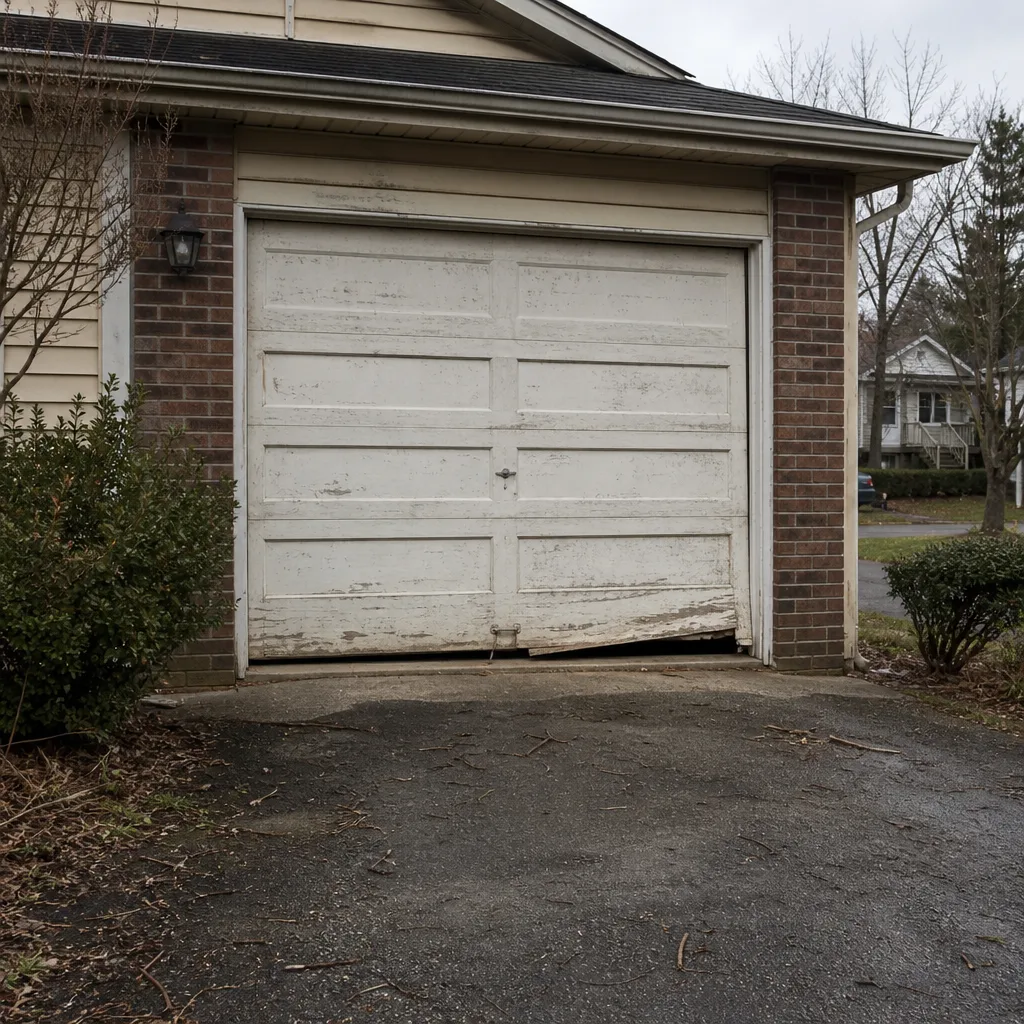 Before
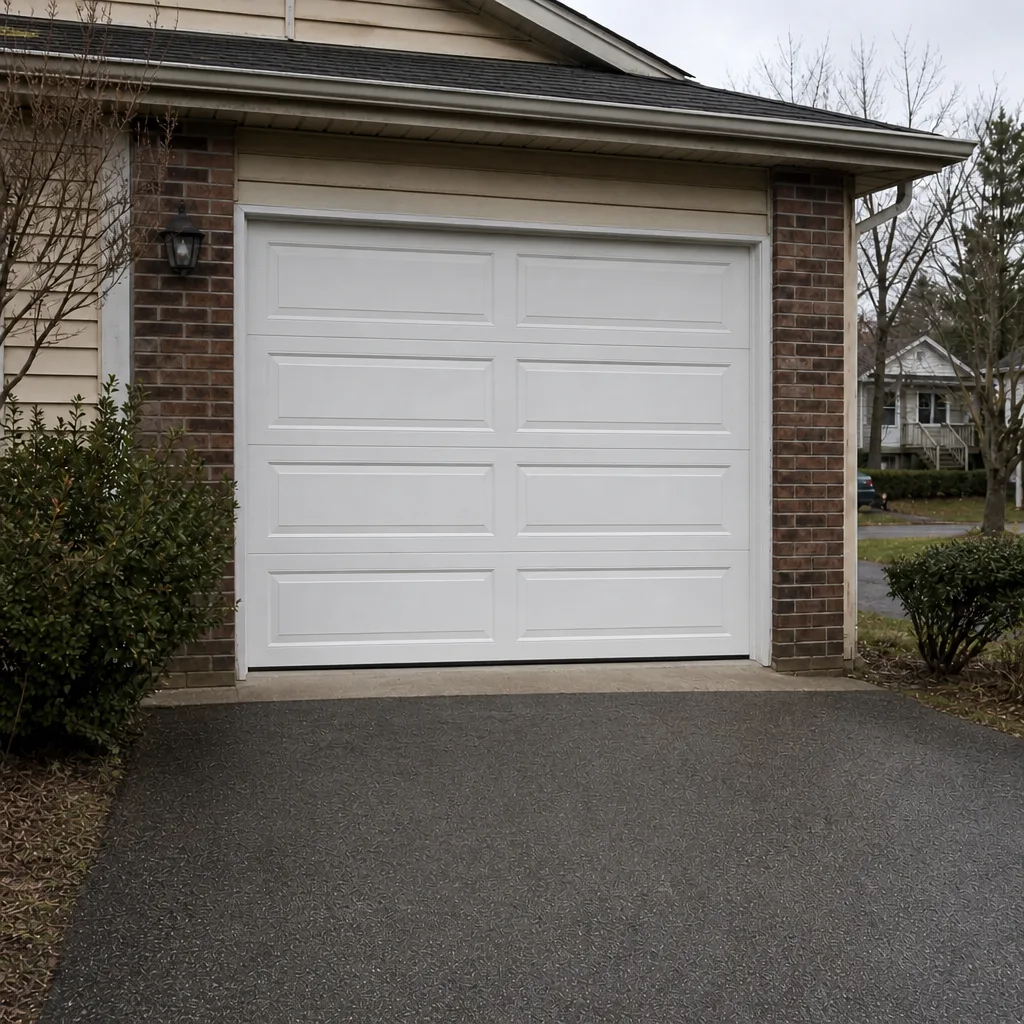 After
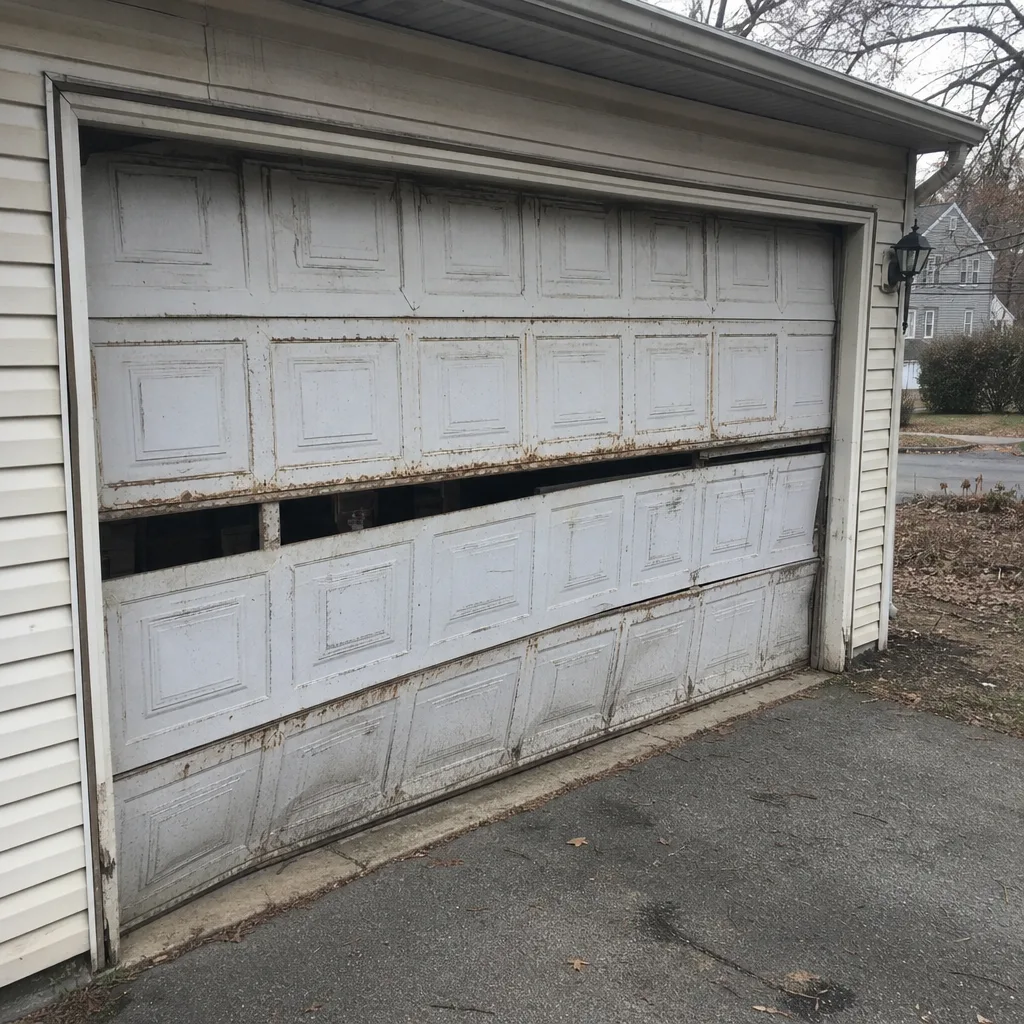 Before
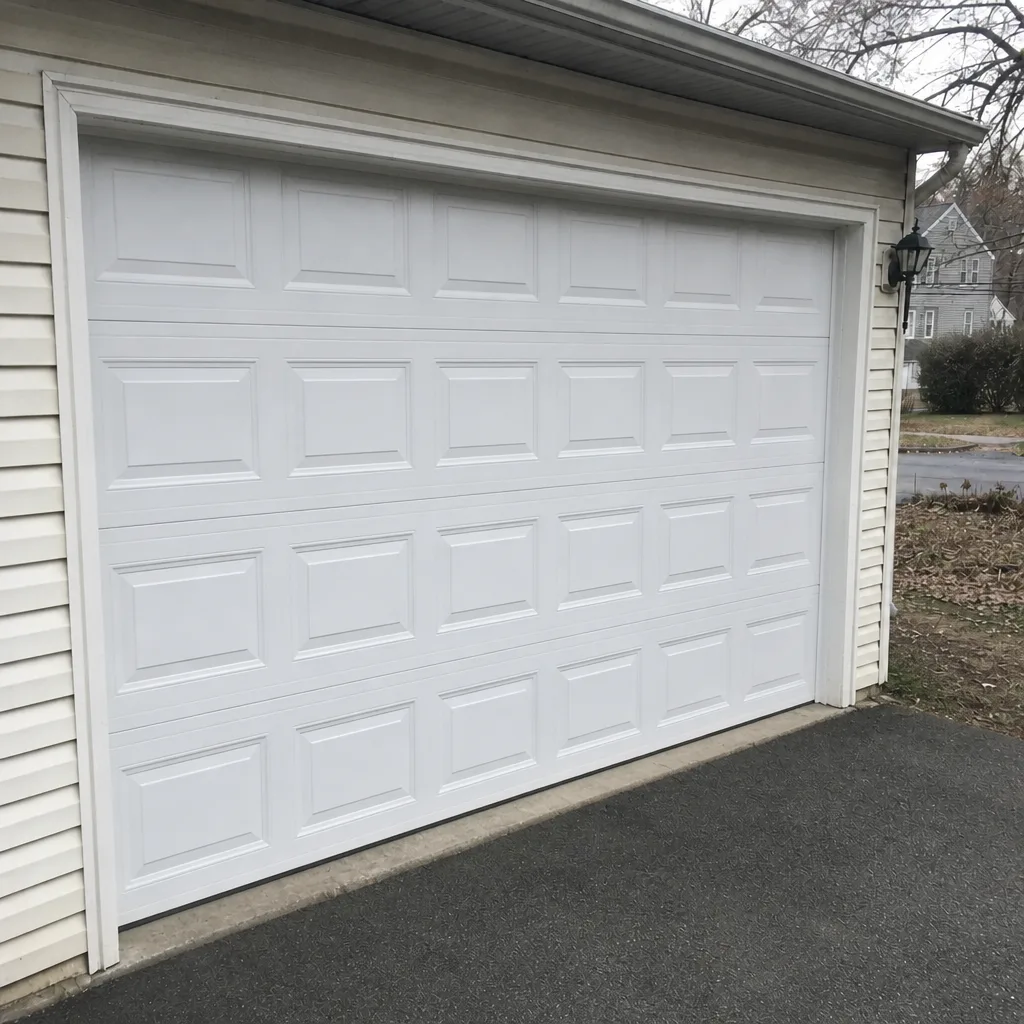 After
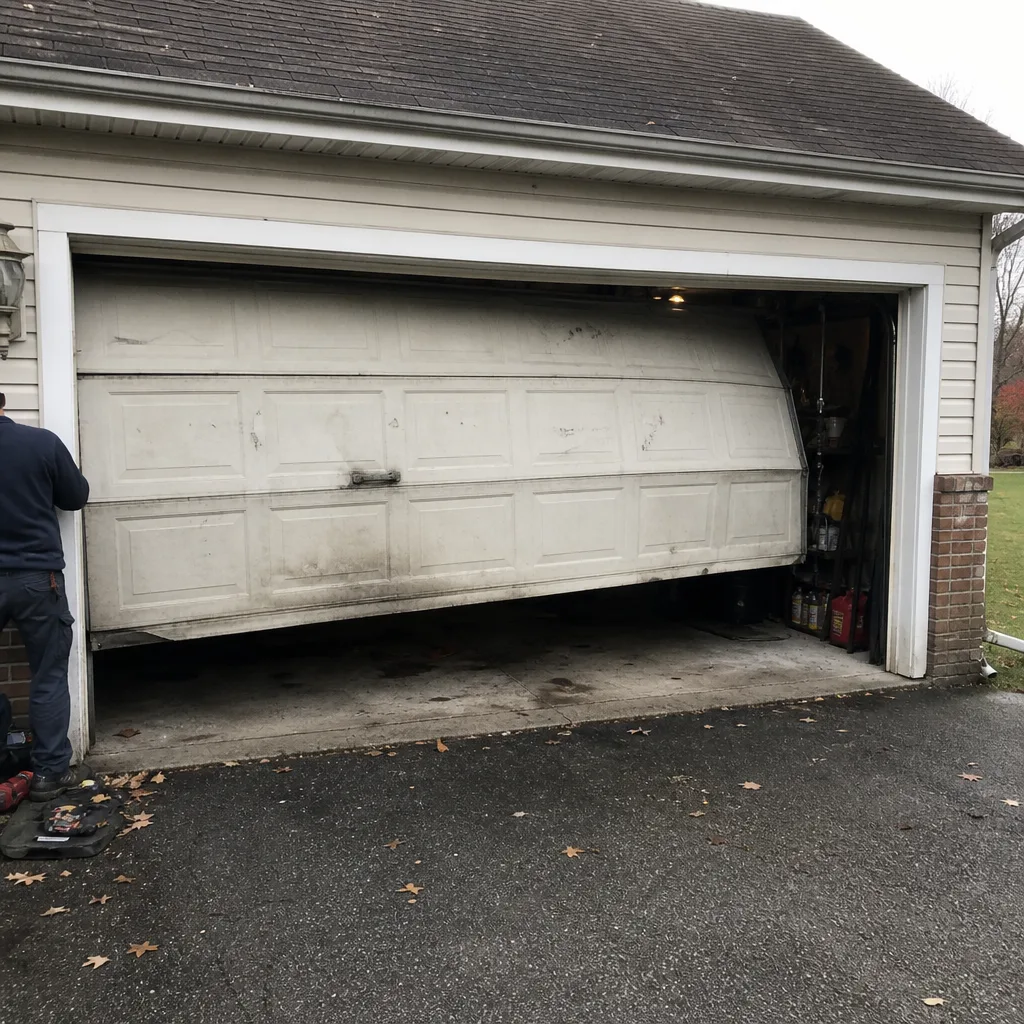 Before
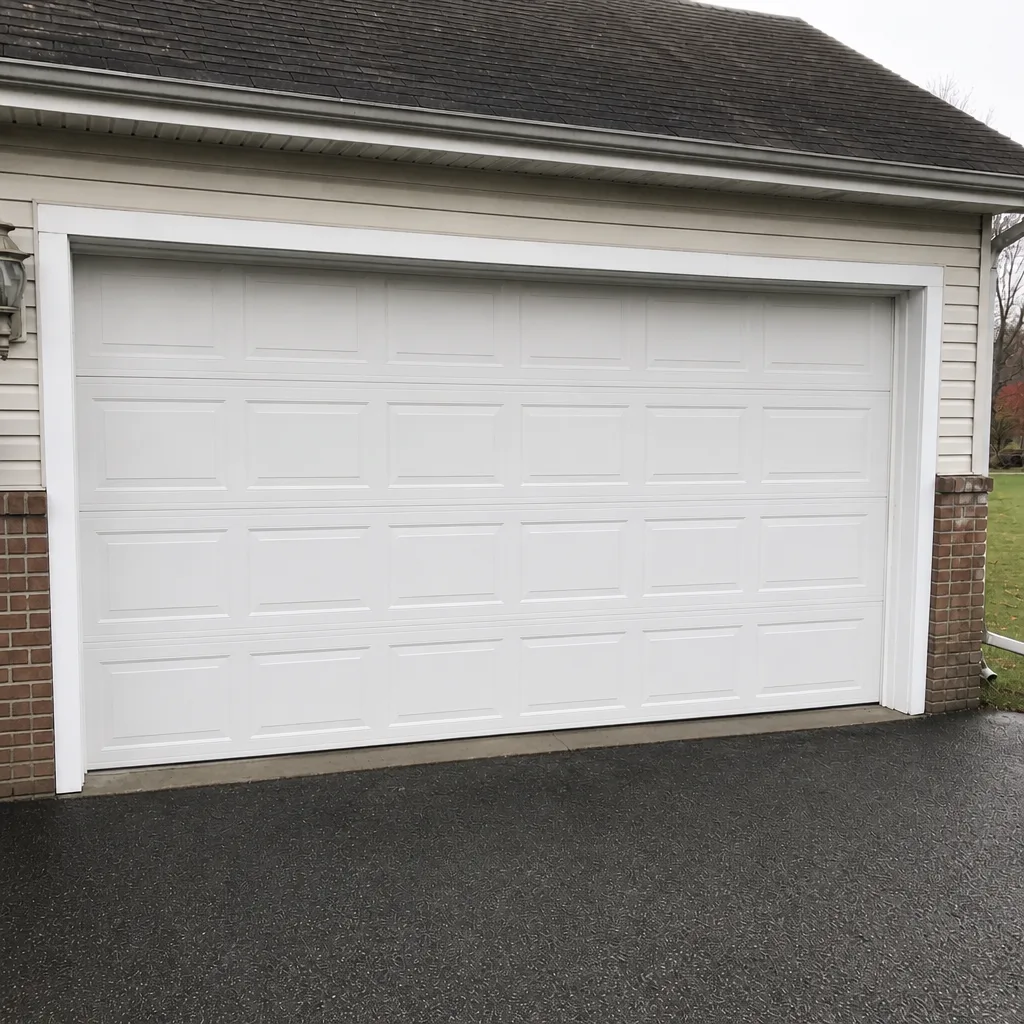 After