Last updated November 20, 2026
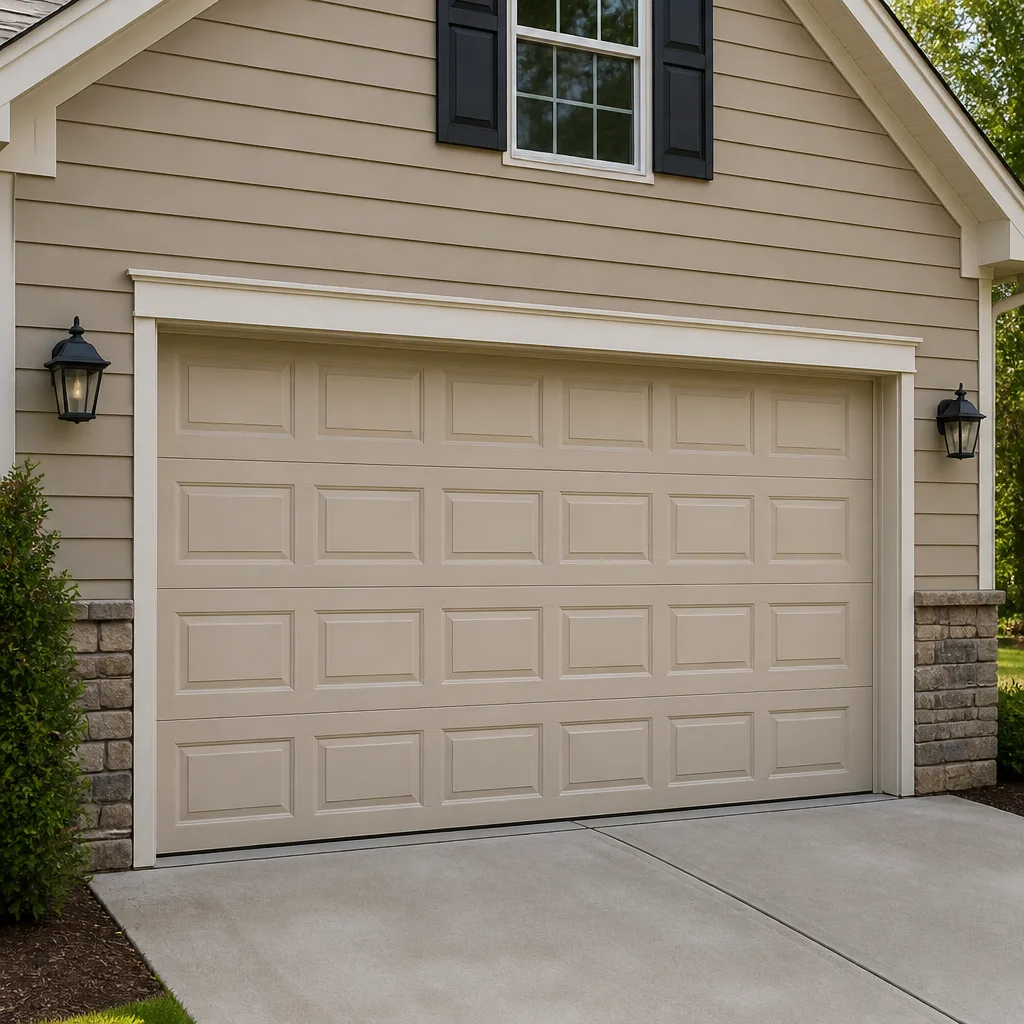 Raised-panel steel
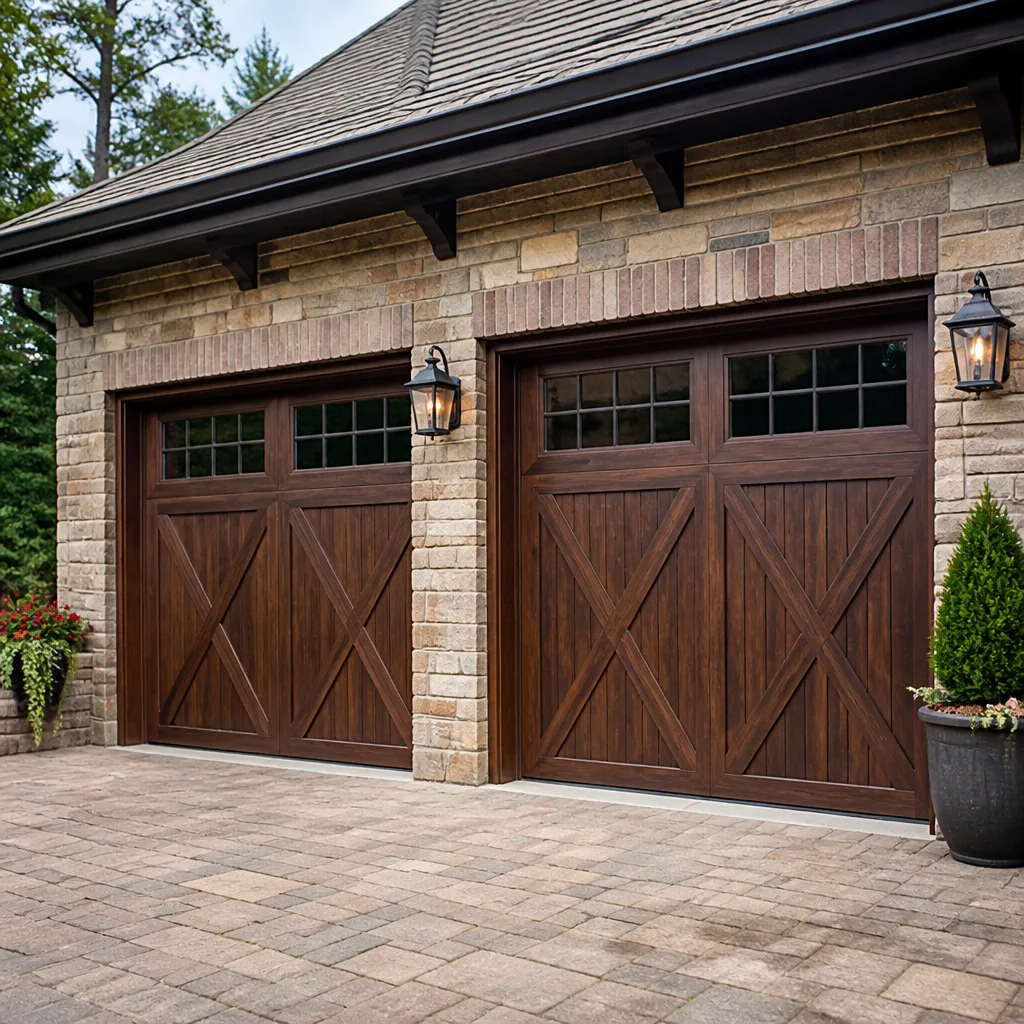 Carriage house
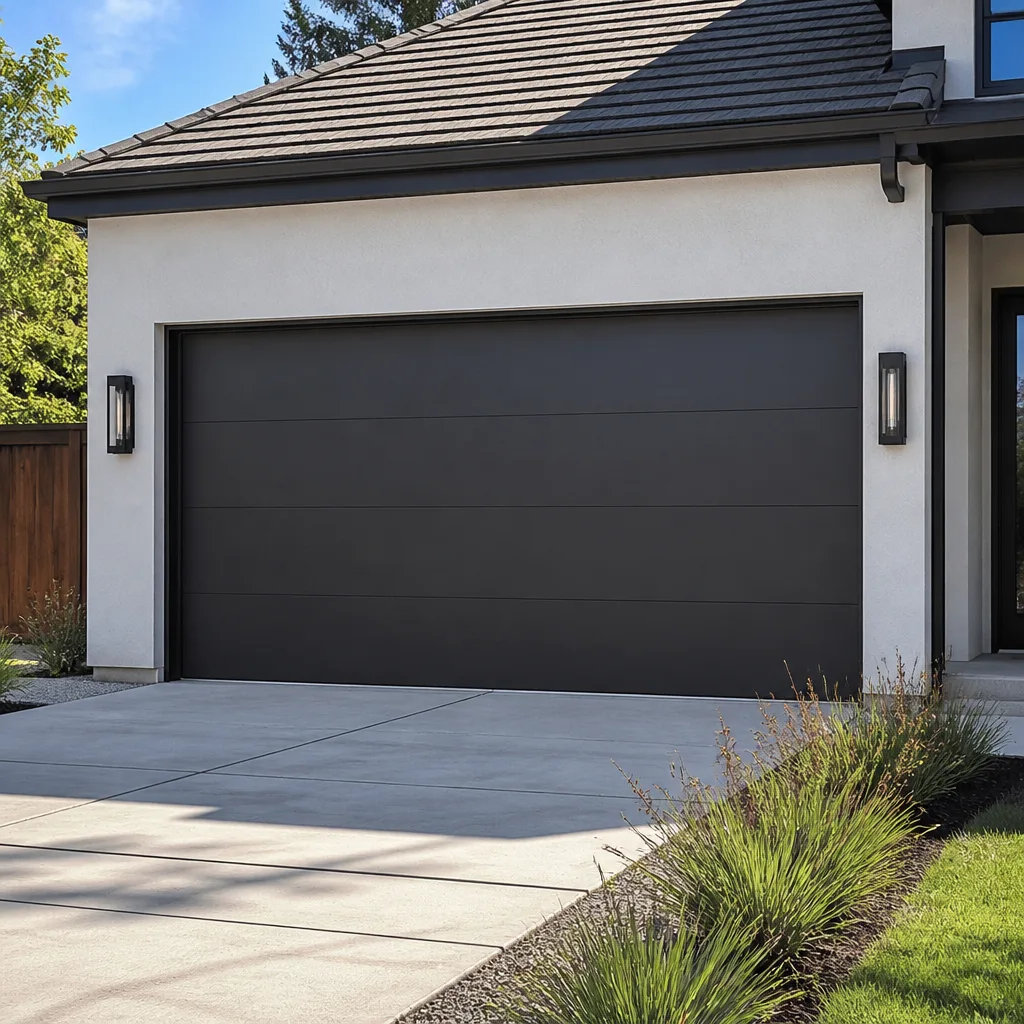 Modern flush
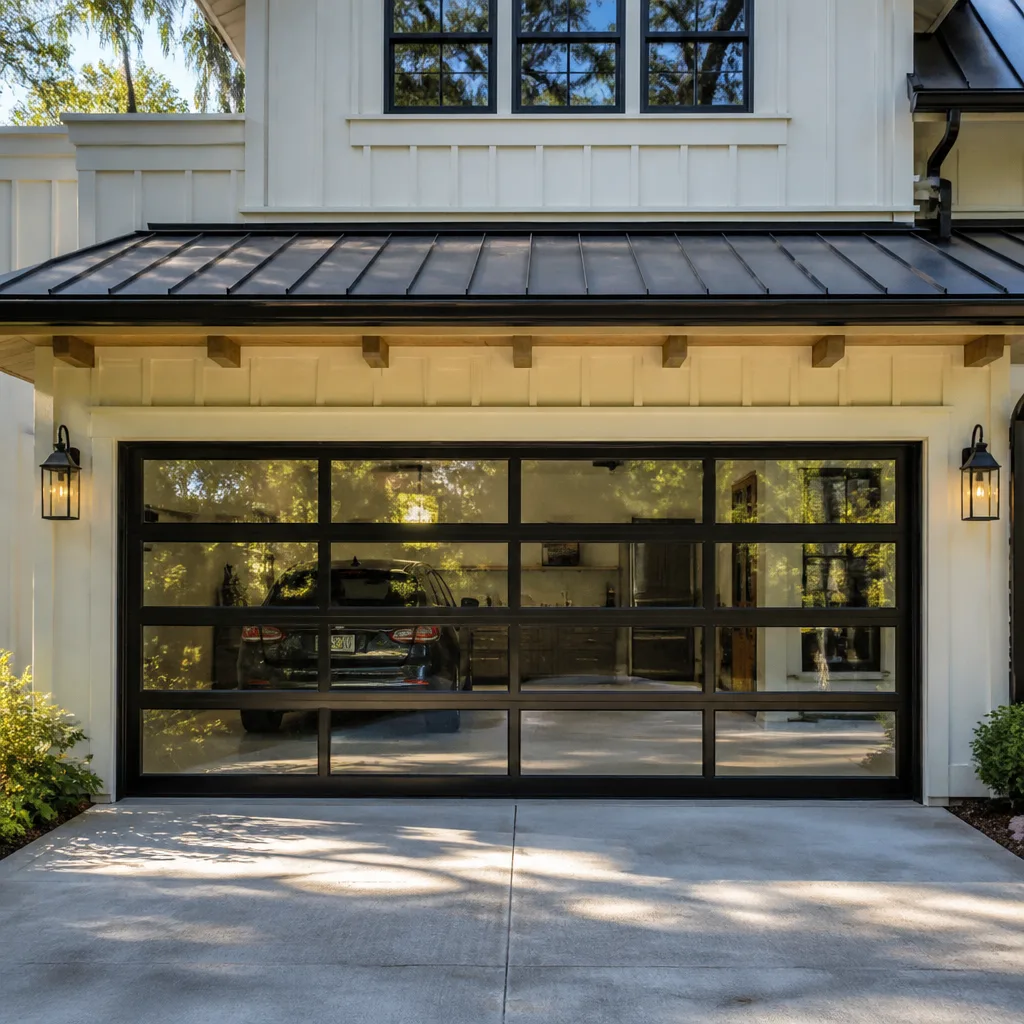 Full-view glass
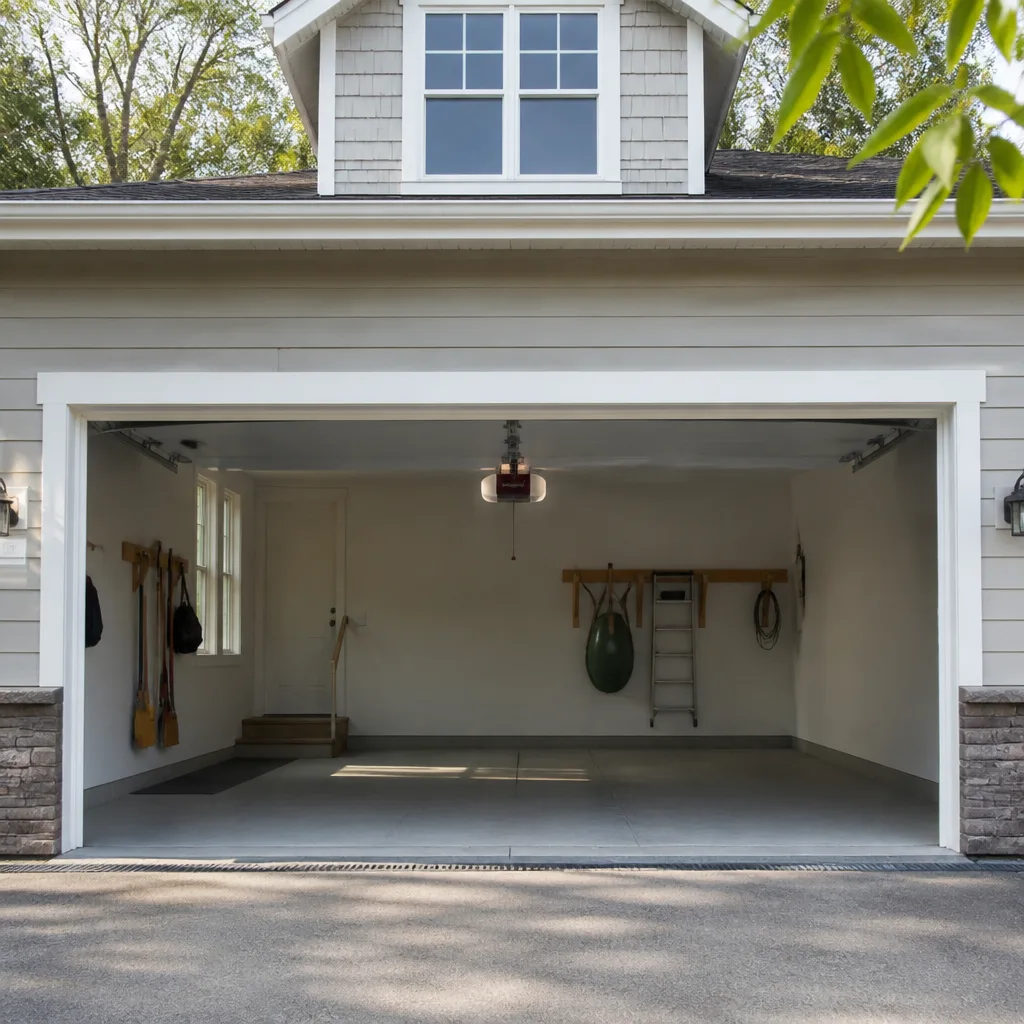 LiftMaster openers
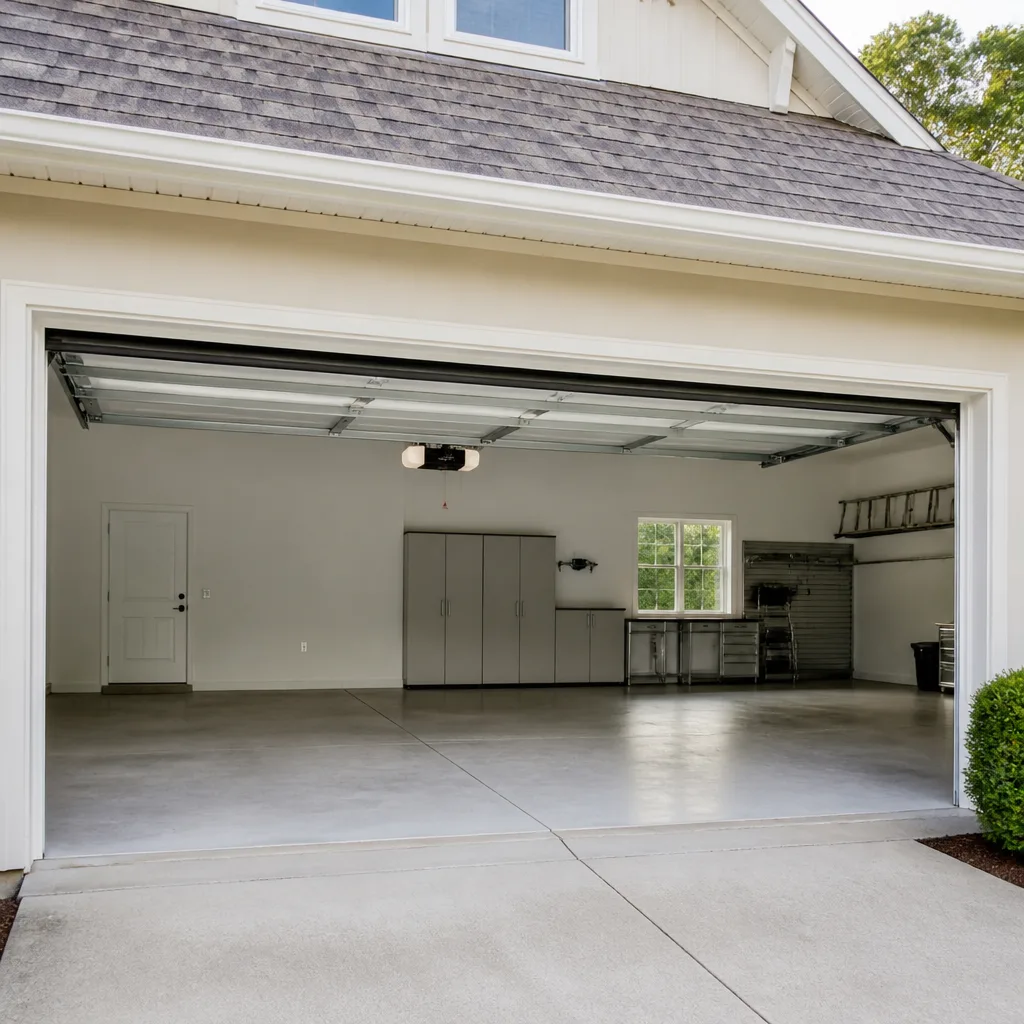 Chamberlain openers
Full 25-point door and opener safety check with every visit - springs, cables, rollers, tracks, and your LiftMaster or Chamberlain opener included
You get a price before we start. It does not change when the pro arrives.
Get your free estimateSeasonal Garage Door Care for Bridgewater: Year-Round Homeowner’s Guide
Most homeowners assume a garage door either works or it doesn’t, and that nothing in between requires attention. That’s the misconception worth correcting first. Your door runs on a balance of tension, lubrication, and alignment that shifts with every season, and in Bridgewater those seasons are not gentle. Freezing nights, humid summers, and the freeze-thaw cycles that come with them work on the same steel, springs, and hardware every single year.
A door that seems fine in October can be a door with a spring on its last few thousand cycles by March. This guide walks through what to check month by month, how the local climate inside and outside a Bridgewater garage affects your equipment, and when a noise or a slow response is a warning rather than a quirk. You’ll come away knowing what you can safely inspect yourself and what should be left to a technician.
Quick Answer
Year-round garage door care in Bridgewater means checking lubrication, balance, and weather sealing at each season change – more often in the freeze-thaw months of late winter and early spring – and never adjusting springs or cables yourself. Most doors need lubrication twice a year, a balance test each season, and a professional inspection whenever they get noisy, slow, or uneven. Seasonal care prevents the majority of avoidable breakdowns, but it does not replace a real inspection when something changes.
Styles & brands we work with
- Raised-panel steel
- Carriage house
- Modern flush
- Full-view glass
- LiftMaster openers
- Chamberlain openers
Table of Contents
- Why Seasonal Care Matters More Than Most Homeowners Realize
- Spring: Thaw, Tension, and the Damage Freeze-Thaw Leaves Behind
- Summer: Heat, Humidity, and the Hardware That Suffers
- Fall: Preparing for the Cold Before It Arrives
- Winter: Cold Starts, Stiff Grease, and Frozen Seals
- The Seasonal Checklist, Step by Step
- What Different Brands Need From Seasonal Care
- Common Mistakes to Avoid
- When to Call a Professional
- Frequently Asked Questions
Why Seasonal Care Matters More Than Most Homeowners Realize
Garage doors fail in slow motion, and seasonal care is how you catch it. A torsion spring loses tension as it ages, and a door that’s a few pounds out of balance makes the opener work harder on every single cycle. That extra load shows up as a strained motor, worn gears, and eventually a snapped spring. Catching it early is the difference between a quick adjustment and an emergency.
In Bridgewater, the cycle is predictable. Winters bring hard freezes, springs bring repeated thaw and refreeze, summers bring humidity, and the door hardware lives through all of it. Steel expands and contracts. Grease thickens in the cold and can thin or attract grit in the heat. Weather seals stiffen, crack, and let moisture in. None of that happens all at once, which is exactly why it’s easy to miss.
The other reason seasonal care matters is cost. A well-maintained door lasts longer, runs quieter, and asks less of its opener. A neglected one wears through parts faster, and the repairs start to stack up. You’re not maintaining the door for its own sake; you’re maintaining it so the expensive failures don’t happen on a schedule you didn’t plan for.
We’ve worked on doors all over Bridgewater, and the pattern holds: the homes that get a simple seasonal look-over have fewer surprise failures. It’s not complicated work. It’s consistent work.
What “Seasonal Care” Actually Covers
- Lubrication of hinges, rollers, and tracks with a garage-door-rated lubricant
- A balance test with the opener disengaged
- Visual inspection of springs, cables, drums, and brackets for wear or slack
- Weather seal and threshold inspection for cracks or gaps
- Opener check: force settings, safety reverse, and remote response
- Track alignment and roller condition
Work through that list at each season change and you’ll catch most problems while they’re still cheap. For a full picture of what we handle, see Bridgewater Garage Door Repair.
Spring: Thaw, Tension, and the Damage Freeze-Thaw Leaves Behind
Late winter and early spring are the most demanding stretch for a garage door in Bridgewater. The repeated freeze-thaw cycle works moisture into every seam, then freezes it, then lets it thaw. Metal parts that were tight in January can loosen, and seals that sealed in December can crack by March. This is also when the door has run through a full winter of cold starts and stiff lubrication.
The first thing to check in spring is balance. Disengage the opener and lift the door halfway by hand. A properly balanced door should stay roughly where you put it, maybe drifting slightly. If it slams down or takes real effort to lift, the springs are out of balance and the opener has been compensating all winter. That compensation is what wears out motors and gears.
Second, look at the weather seal along the bottom and sides. Winter is hard on the threshold seal; it stiffens, cracks, and stops sealing. A failed seal lets water and cold air in, and in a Bridgewater spring that means moisture on the tracks and rollers. Third, lubricate. Winter grease is often too stiff or has collected grit, so a fresh application of a proper garage-door lubricant on hinges and rollers resets things for the busy spring.
Spring is also the time to book an inspection if you skipped one over the winter. A technician can check spring tension, cable condition, and drum wear – things that are genuinely unsafe to evaluate by hand. Springs are under high tension, and a spring that’s about to fail looks almost identical to one that’s fine until it lets go. Leave that assessment to someone with the right tooling.
Summer: Heat, Humidity, and the Hardware That Suffers
Summer in Bridgewater brings heat and humidity, and both affect your door in ways that aren’t obvious. Heat causes steel track and panels to expand slightly, which can throw off alignment on a door that was perfectly adjusted in cooler weather. Humidity works the other way, encouraging rust on any bare metal and making wood or composite components swell. Together they can produce a door that starts sticking or scraping in July that ran clean in May.
Check the tracks for alignment first. Run the door and listen. A rhythmic scrape or a thump usually means a roller has drifted or a track has shifted. Don’t force it; a misaligned track will wear rollers fast and can eventually derail the door.
Second, look at the opener. Heat and humidity are hard on the electronics and motor in any unit, and a motor that’s already working hard from an unbalanced door will run hotter and fail sooner. If your opener is cycling oddly in summer, check the balance of the door before blaming the opener itself – most opener problems turn out to be a door problem wearing down the opener.
Third, keep the tracks clean. Summer grit, pollen, and dust collect in track channels. Wipe them down and avoid heavy grease in the tracks themselves; a light application of the right lubricant on rollers and hinges is enough. Finally, if you have a smart opener, summer is a good time to verify the safety reverse and force settings while you’re not depending on the door in bitter cold.
Fall: Preparing for the Cold Before It Arrives
Fall is the season that pays you back in winter, and it’s the one most people skip. Everything you do in October and November is about getting the door ready for cold starts, stiff grease, and the freeze-thaw cycle that follows. A door that’s balanced and lubricated in fall handles winter far better than one that’s neglected.
Start with a full balance test and a close look at the springs. Fall is when a technician should look at spring wear if you haven’t had it checked recently. Then lubricate every hinge, roller, and pivot point with a cold-weather-friendly garage-door lubricant. Grease that gets thick in the cold is worse than no grease at all; it can make the door sluggish and strain the opener on the first cold morning.
Check the weather seal again before the cold sets in. A seal that’s cracked in fall will leak cold air and let snow or ice creep under the door all winter. Replace any worn seal before the first hard freeze. Also check the threshold and the concrete under the door for gaps or cracks that let in water, and clear the track channels of leaves and grit so nothing freezes in place.
Finally, test the door’s safety reverse and force settings before winter. A door that reverses properly in mild weather should reverse properly in cold weather, but a door that’s borderline now will cause trouble when the tracks stiffen. Get it right in fall so you’re not troubleshooting a stuck door in January.
Winter: Cold Starts, Stiff Grease, and Frozen Seals
Winter is when a garage door’s weak points show. Cold stiffens grease, contracts metal, and freezes moisture in the tracks. A door that was fine in November can feel heavy or slow on the first cold morning, and that heaviness is a warning, not something to work around. The simplest winter routine is to run the door once and listen; changes in sound and speed tell you a lot.
Keep lubrication appropriate for the temperature. In cold months, use a lubricant that stays fluid, and apply it sparingly. Too much heavy grease in winter makes the door harder to move. Check the bottom seal for ice buildup and remove any ice that’s frozen under the door before forcing it closed. Never force a door through ice; you’ll damage the seal and the opener.
Watch the springs closely in winter. Cold makes metal more brittle, and a spring that’s already weakened is more likely to fail in a hard freeze. If you hear a loud bang from the garage, stop using the door and call for service – that’s the sound of a spring letting go, and the door becomes dangerous to operate until it’s repaired. This is a genuinely high-tension, dangerous component, and it’s not something to inspect or adjust yourself.
Finally, keep the opener’s safety features tested through winter. Cold can affect the force settings on older units, and a door that thinks it’s hitting an obstruction will reverse unexpectedly. If your door reverses for no reason in cold weather, check the tracks for ice and get the opener settings verified by a technician.
The Seasonal Checklist, Step by Step
Here’s the routine we recommend in Bridgewater, season by season. Run through it at each change of season, and book an inspection if anything feels off.
- Spring: Disengage the opener and test balance by hand. Inspect and replace worn weather seals. Lubricate hinges and rollers with fresh garage-door lubricant. Book a spring and cable inspection if you haven’t had one recently.
- Summer: Check track alignment and listen for scraping. Clean track channels of grit. Verify opener force and safety reverse settings. Watch for rust on bare metal.
- Fall: Repeat the balance test. Lubricate with a cold-weather lubricant. Replace any cracked seals before the first freeze. Clear tracks and the threshold of debris.
- Winter: Run the door and listen for changes. Remove ice from under the seal. Test the safety reverse. Stop and call for service at any loud bang or sudden heaviness.
Beyond the seasonal list, do a quick weekly check: run the door once, listen for new noises, and look at the spring and cables. It takes a minute and catches changes early. And once a year, get a professional inspection that covers the parts you shouldn’t touch – springs, cables, drums, and brackets.
What Different Brands Need From Seasonal Care
Seasonal care is broadly the same for every door, but different brands have specific failure points worth knowing. We work on Genie, Clopay, Amarr, Wayne Dalton, LiftMaster, Chamberlain, Craftsman, and Raynor systems specifically, and the seasonal routine shifts a little with each.
Clopay and Amarr doors are common in Bridgewater homes, and both are modular steel systems where panel alignment and seal condition matter as much as spring balance. Wayne Dalton doors sometimes use a proprietary torsion system rather than standard springs, which changes what a seasonal inspection should focus on and makes brand familiarity important. Genie openers, like other legacy units, are sensitive to force settings that drift with cold, so the winter opener check matters more on those systems.
- Clopay and Amarr: Check panel alignment and bottom seals closely through freeze-thaw.
- Wayne Dalton: Confirm the torsion system is intact and balanced; some models use non-standard springs.
- Genie and other legacy openers: Verify force settings and safety reverse each season, especially before winter.
- Smart openers: Recheck connectivity and safety features after any seasonal maintenance.
Knowing a specific brand’s weak points is the difference between a seasonal check that catches something and one that just looks. That’s part of why we focus on garage doors only. If you’re not sure what’s in your garage, a technician can identify the door and opener and tailor the check from there.
Common Mistakes to Avoid
- Ignoring a noisy door. Noise is the earliest sign of trouble, whether it’s a dry hinge or a binding roller. A door that gets louder over a few weeks is telling you something needs attention now.
- Adjusting or replacing springs yourself. This is the single most dangerous garage door job there is. Springs are under high tension, and a mistake can cause serious injury. Leave them to a trained technician.
- Over-greasing in winter. Heavy grease stiffens in the cold and makes the door harder to move, which strains the opener. Use the right lubricant, applied sparingly.
- Skipping the fall check. The fall routine is what gets most homeowners through winter without a surprise. Skip it and you’re troubleshooting in the cold.
- Blaming the opener for a door problem. Most “opener failures” in Bridgewater are actually unbalanced doors or binding tracks wearing the opener down. Diagnose the door first.
- Letting weather seals go. A cracked seal lets in cold, water, and debris, which then cause track and roller problems. Replace seals before the freeze.
- Forcing a stuck door. If a door won’t move, forcing it can damage the opener, the tracks, and the door itself. Stop and get it looked at.
When to Call a Professional
Seasonal care handles the routine. A few situations need a technician, though, and should not wait for the next season change. If you hear a loud bang and the door won’t lift, a spring has likely failed – stop using the door and call. If the door is visibly crooked, one side higher than the other, a cable or spring issue is involved. If the opener runs but the door doesn’t move, or moves sluggishly, a technician should diagnose it before the opener fails. And if the door reverses for no reason, or a child or pet triggers the safety reverse in an unexpected way, the opener needs checking.
If you’re in Bridgewater and you’re not sure whether something is seasonal wear or a genuine problem, that’s reason enough to call. Bridgewater Garage Door Repair offers free estimates in Bridgewater – call (855) 903-1456.
Frequently Asked Questions
Twice a year is the general rule, ideally once in spring and once in fall, with quick checks at the other season changes. Bridgewater’s freeze-thaw cycle is hard on springs and seals, so fall service before the first freeze matters most. If your door is noisy, slow, or unbalanced, get it checked right away rather than waiting for the next scheduled service.
Yes, lubricating hinges, rollers, and pivot points is a safe homeowner task. Use a garage-door-rated lubricant and apply it sparingly, and never lubricate the springs or cables or get inside the tracks. Anything involving springs, cables, and drums should be left to a technician. Call (855) 903-1456 if you’d rather have it done and checked properly.
Cold weather stiffens grease, contracts metal, and can freeze moisture in the tracks. The most common cause is lubricant that’s too heavy for the temperature, or a door that was already slightly out of balance. If the door feels heavy or sluggish, check the tracks for ice and book an inspection – it could be a spring issue that cold weather has exposed.
Almost always, yes. A loud bang followed by a door that won’t lift is the classic sign of a snapped torsion spring. Stop using the door immediately and call for repair, because the door is dangerous to operate until the spring is replaced. Our technicians handle high-tension spring repair as a dedicated job – call (855) 903-1456.
We work on LiftMaster, Chamberlain, Genie, Clopay, Amarr, Wayne Dalton, Craftsman, and Raynor systems. That includes both legacy openers and newer smart-home-integrated units, plus the doors themselves and their spring systems. Knowing each brand’s failure points is how we diagnose before we quote.
No. Seasonal care catches most routine wear, but it doesn’t replace a technician’s inspection of springs, cables, drums, and brackets – the parts that are unsafe to evaluate by hand. We recommend a professional inspection once a year on top of your own seasonal checklist. Free estimates are available in Bridgewater – call (855) 903-1456.
The Bottom Line
Seasonal care is a simple routine: balance test, lubrication, seal check, and opener verification at each change of season, with extra attention in fall before the freeze. In Bridgewater, the freeze-thaw cycle makes spring and fall the two checks that matter most. Do the routine work yourself where it’s safe, and leave springs, cables, and drums to a technician. A door that’s checked through the year fails far less often, and when something does go wrong, one call covers the door, the opener, and the springs.
If your garage door is making noise, running slow, or you just want a professional eye on it, call Bridgewater Garage Door Repair at (855) 903-1456 for a free estimate. Our technicians have up to 10 years of experience, and we work on the equipment that’s actually in your garage – not a generalist’s guess.
Written by the team at Bridgewater Garage Door Repair.
See the difference
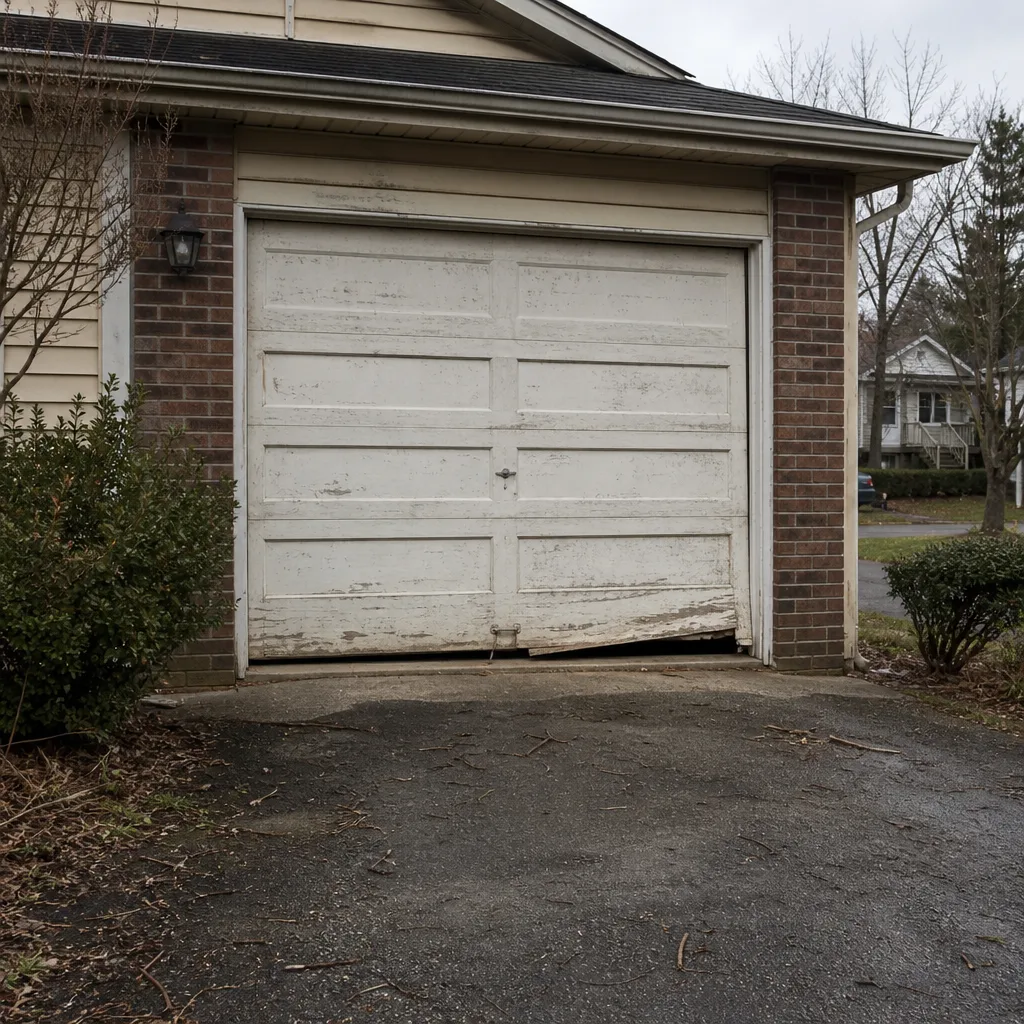 Before
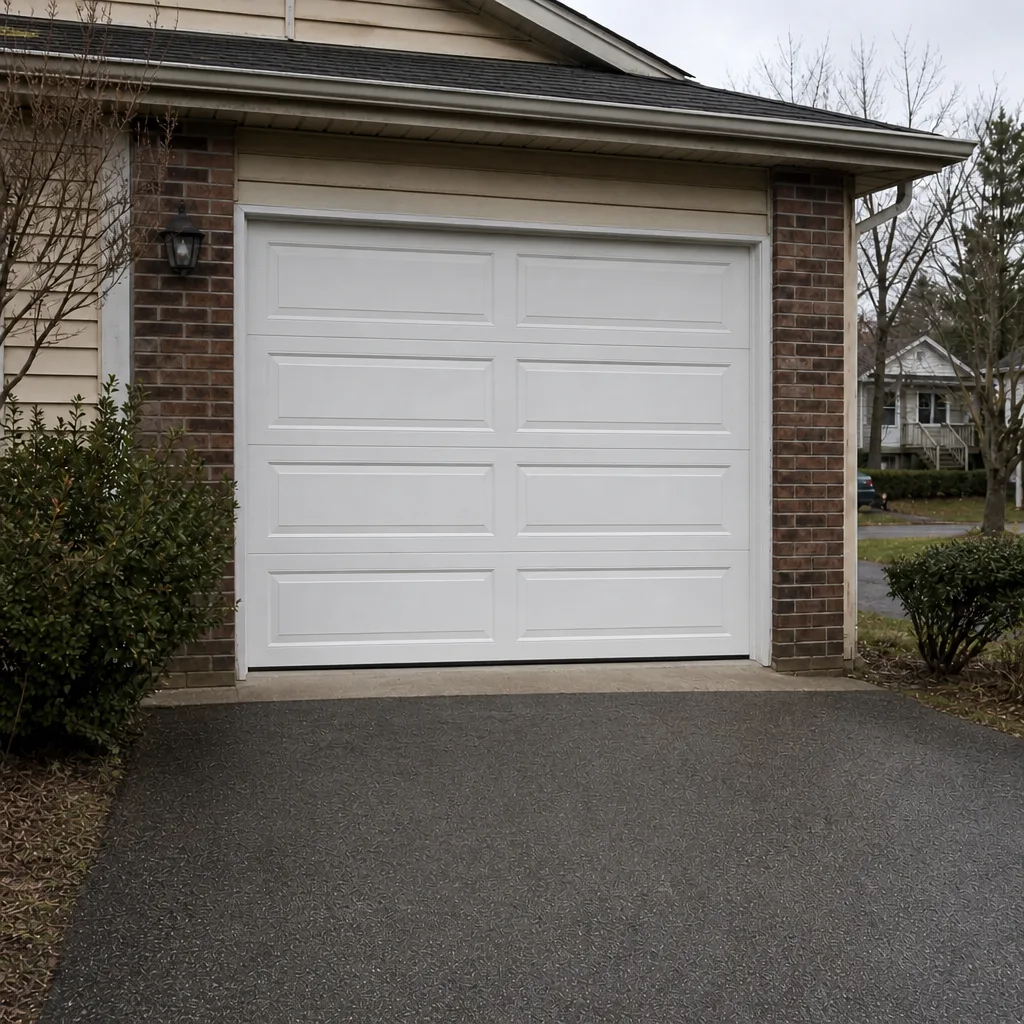 After
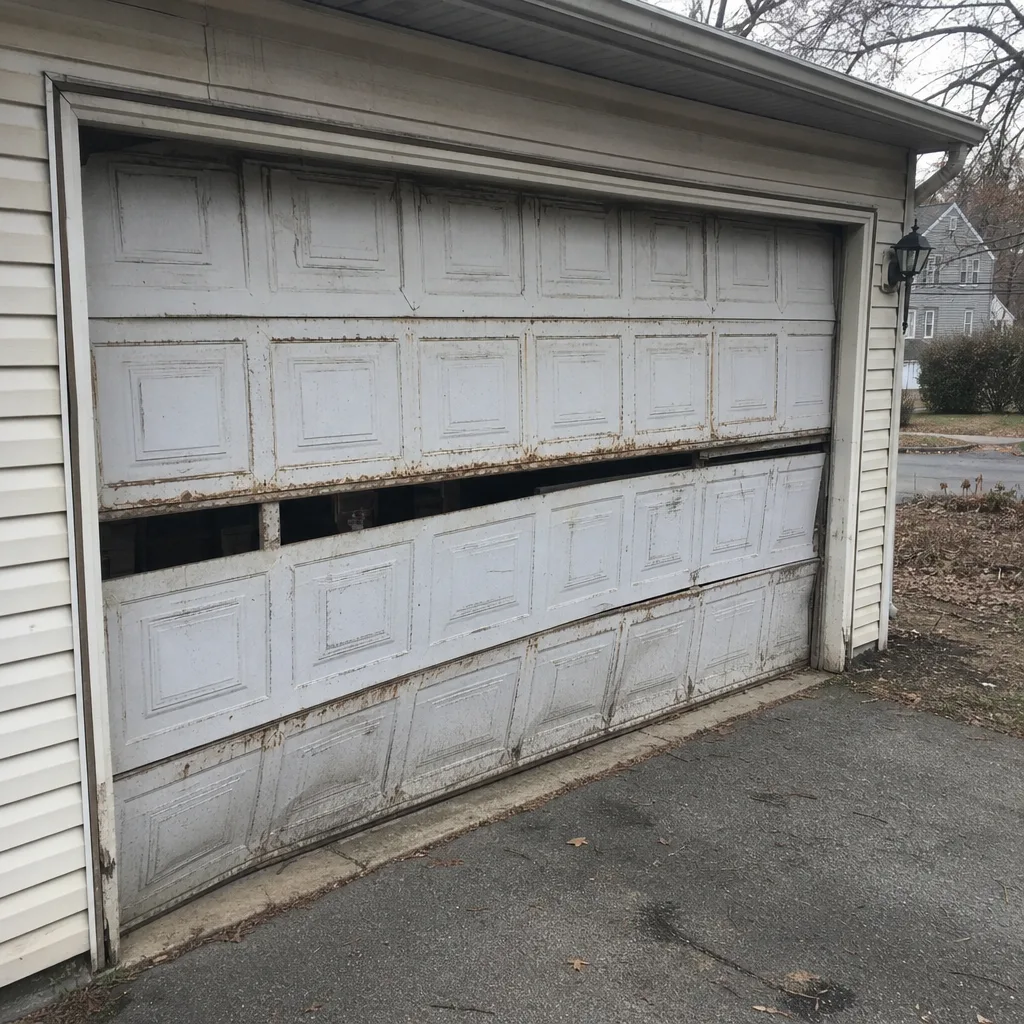 Before
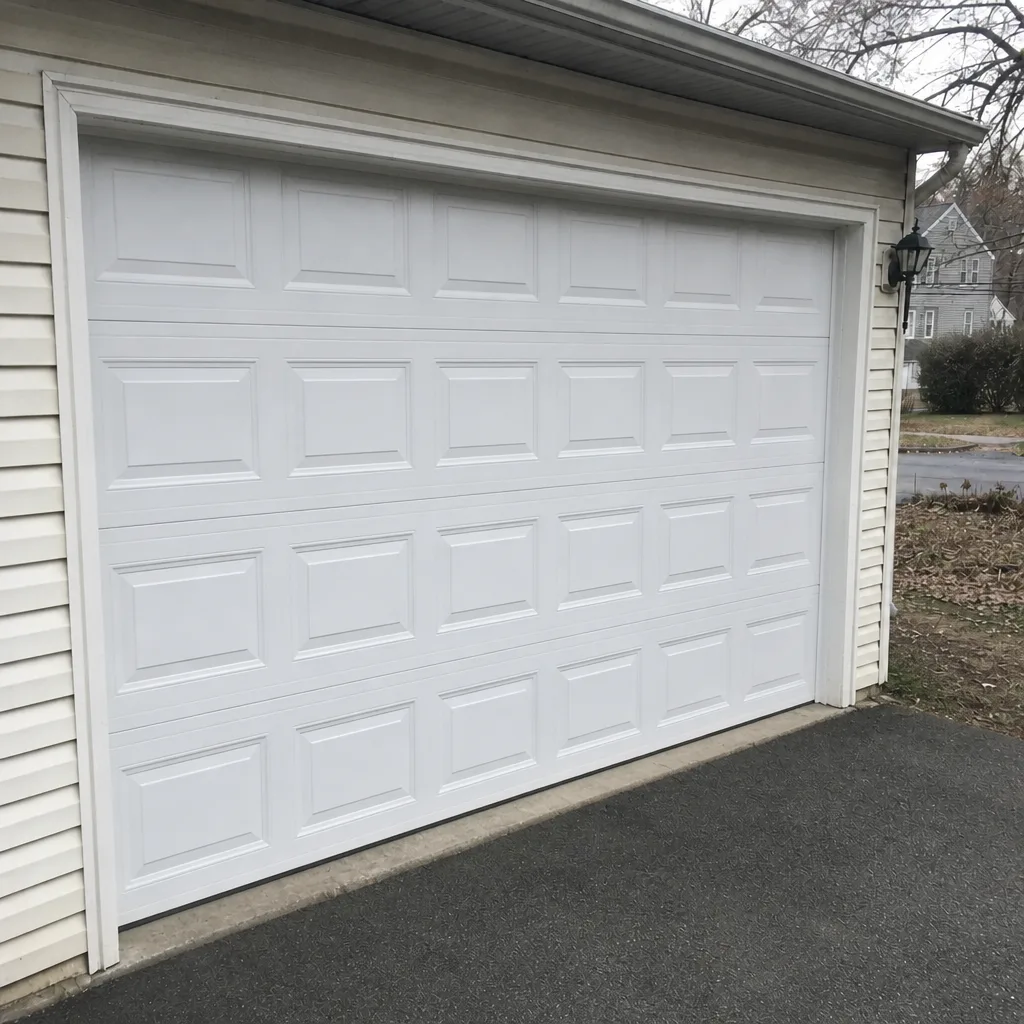 After
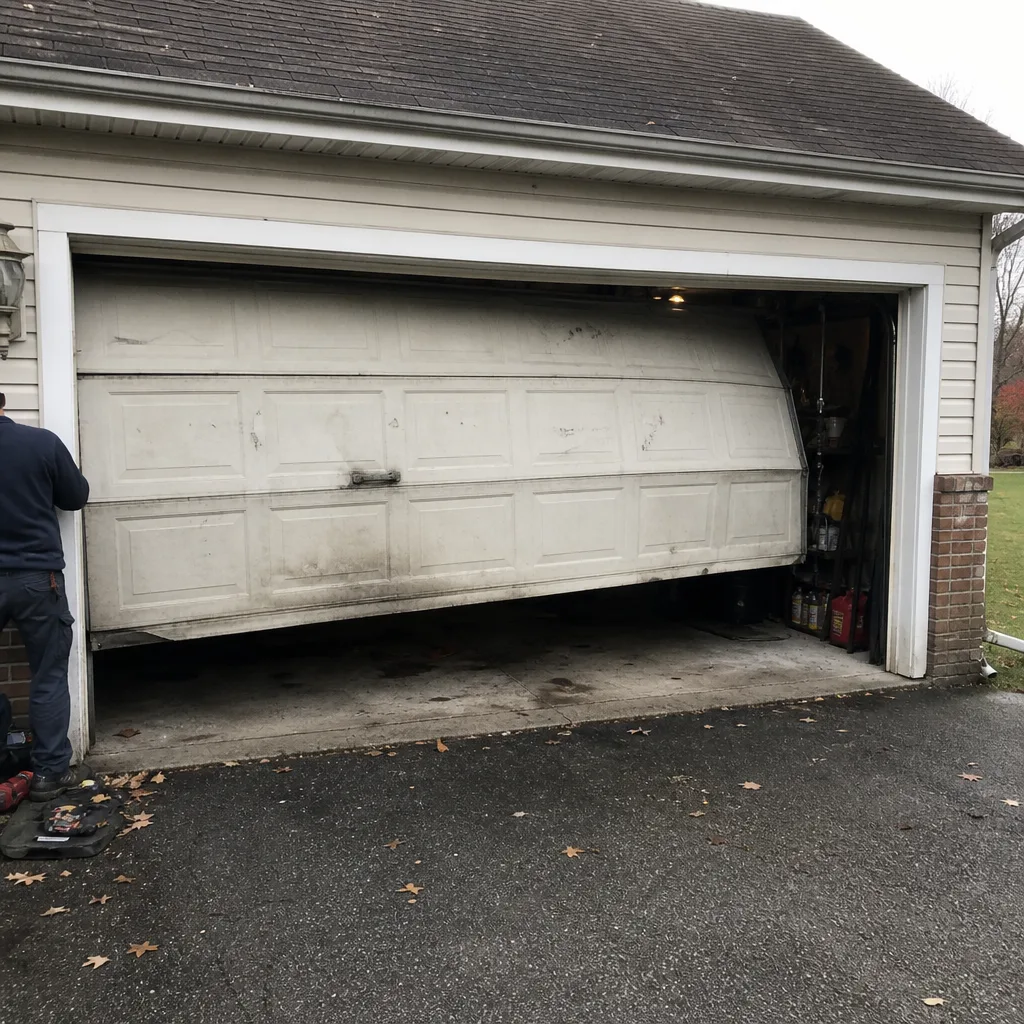 Before
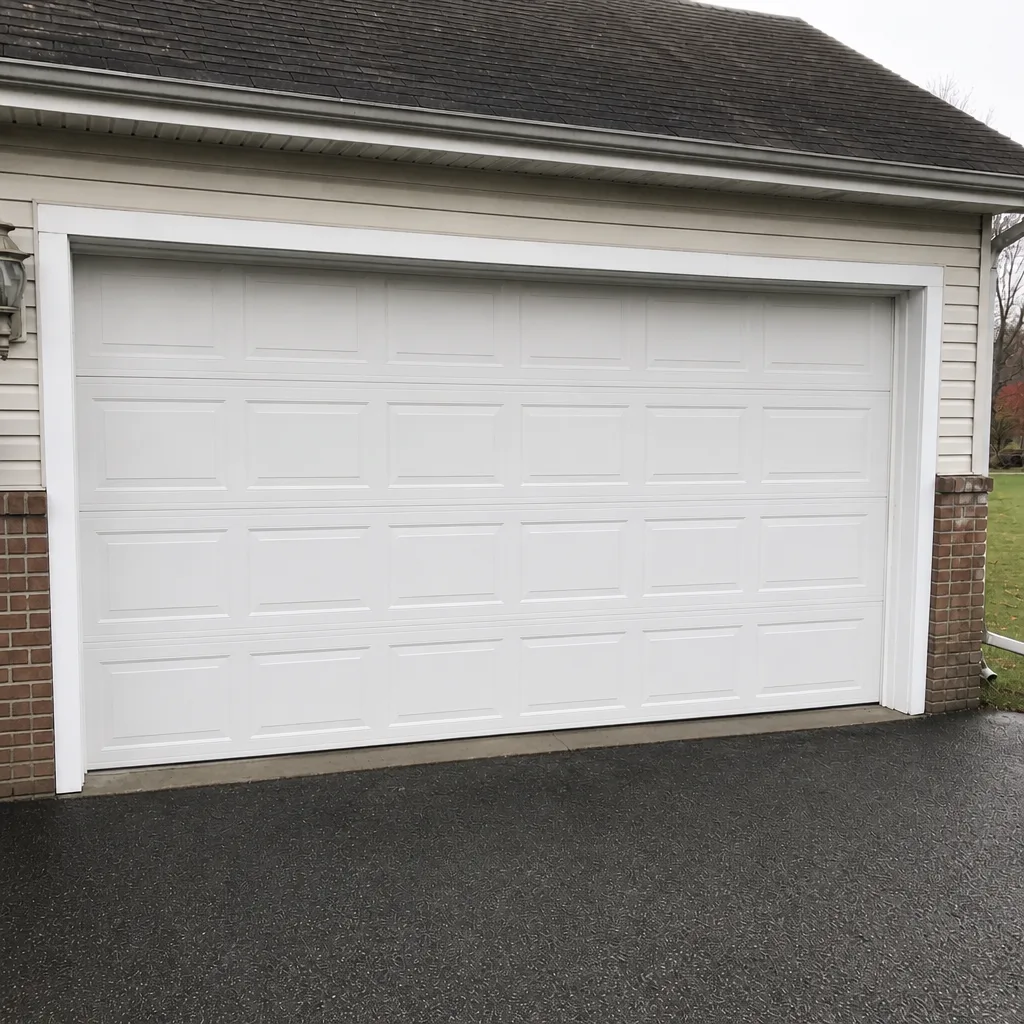 After