Last updated November 20, 2026
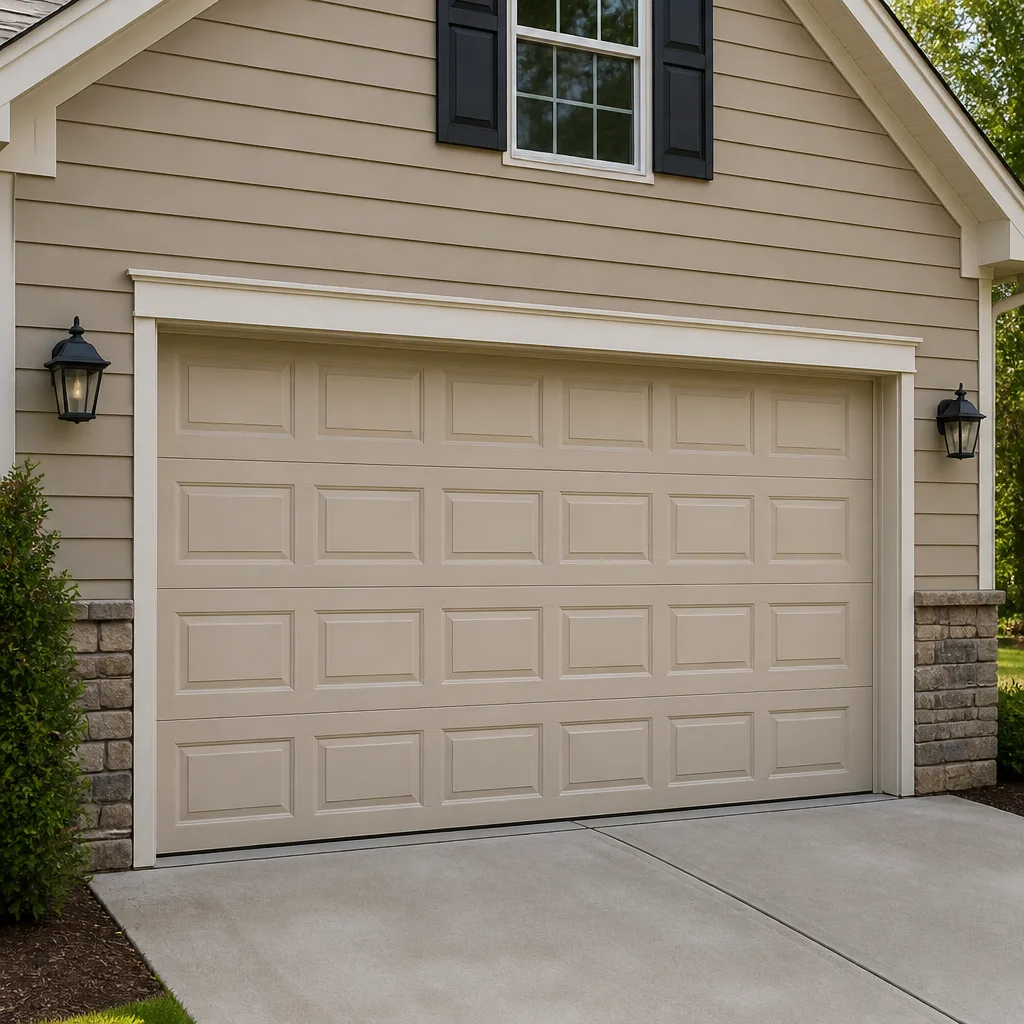 Raised-panel steel
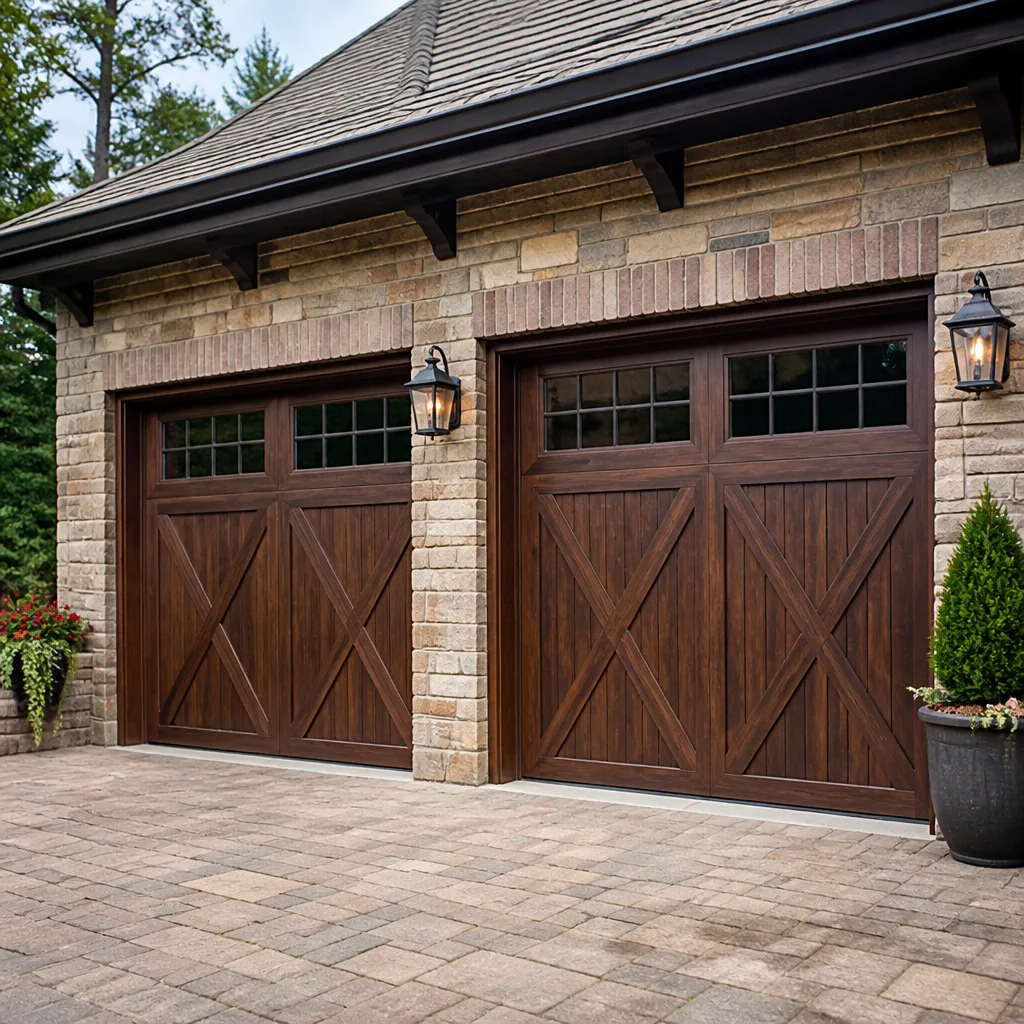 Carriage house
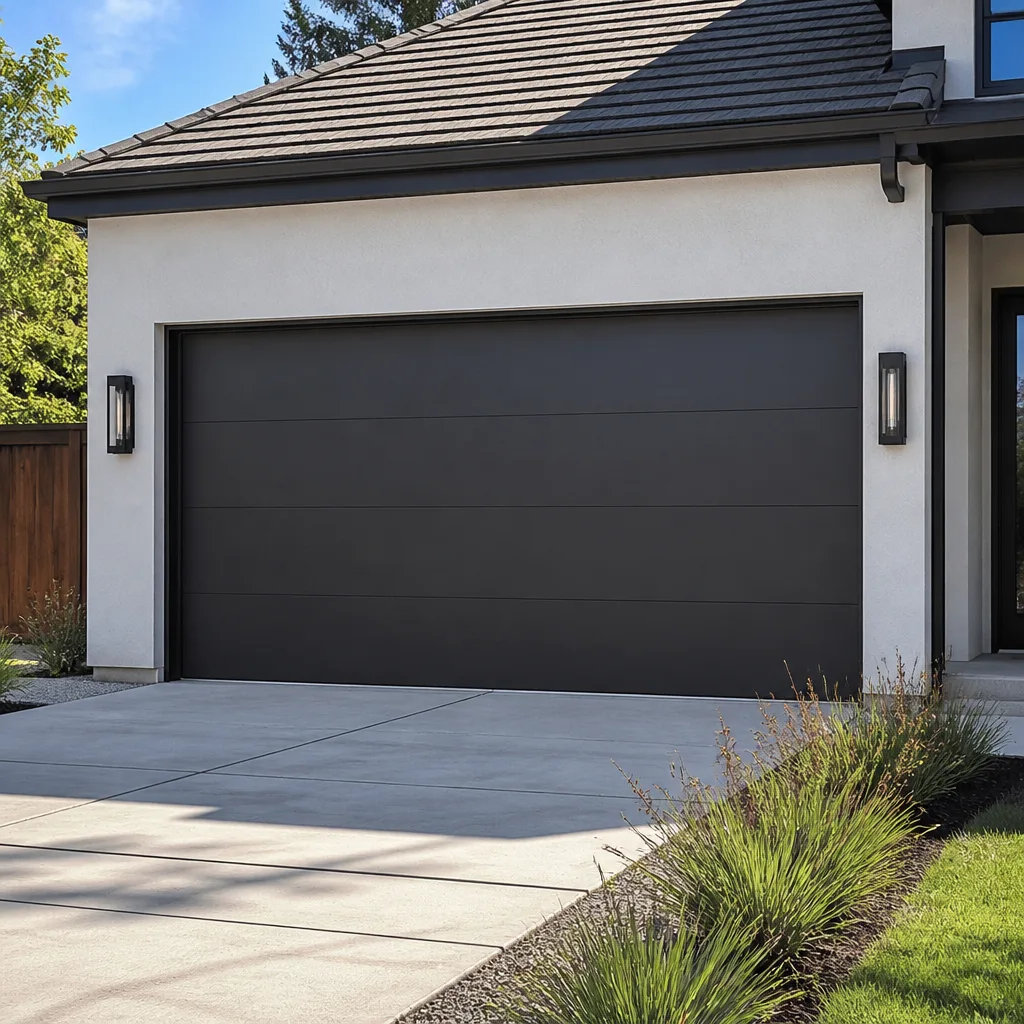 Modern flush
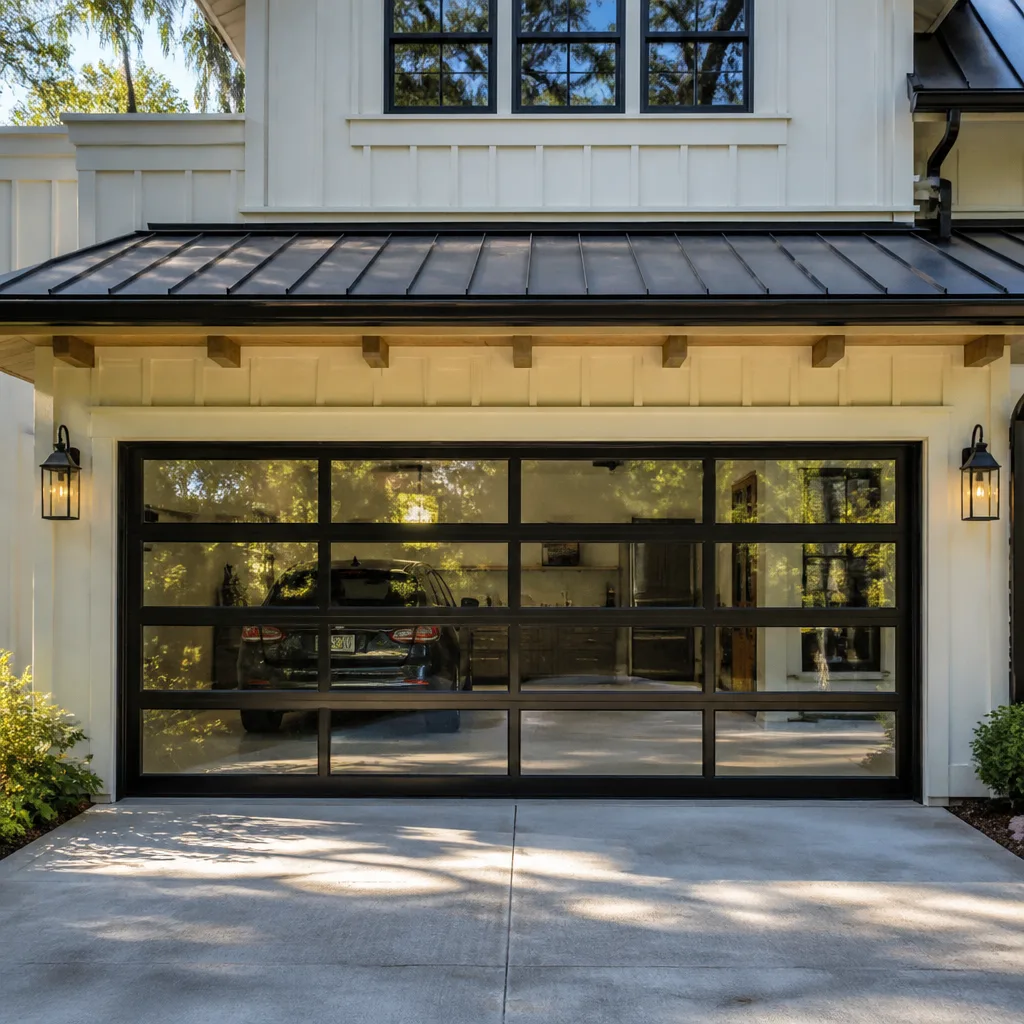 Full-view glass
 LiftMaster openers
 Chamberlain openers
Full 25-point door and opener safety check with every visit - springs, cables, rollers, tracks, and your LiftMaster or Chamberlain opener included
You get a price before we start. It does not change when the pro arrives.
Get your free estimateGarage Door Permits, Codes & Inspections in Bridgewater, NJ: What You Need to Know
Most homeowners assume a garage door is like a refrigerator: you buy it, it gets installed, and no one from the township ever wants to see a piece of paper about it. In Bridgewater, that assumption is usually wrong. New Jersey follows the statewide Uniform Construction Code, and replacing a garage door in a home attached to a garage generally triggers a permit because the door is part of the building’s structural and life-safety system. This guide covers when you need a permit in Bridgewater, how the inspection actually works, the code points inspectors look at, and where the process surprises people most.
Quick Answer
In most cases, replacing a garage door on an attached garage in Bridgewater, NJ requires a construction permit from the township before work begins, and the completed job gets inspected afterward. Straightforward repairs like a broken spring, a snapped cable, or an opener that won’t respond usually do not need a permit. When in doubt, call the Bridgewater Township building department and describe the job; they will tell you whether a permit applies to your address.
Styles & brands we work with
- Raised-panel steel
- Carriage house
- Modern flush
- Full-view glass
- LiftMaster openers
- Chamberlain openers
Table of Contents
- Do you need a permit for garage door work in Bridgewater?
- Attached vs. detached garages: why the line matters
- How the inspection process works
- What inspectors actually check
- How Bridgewater’s weather shapes garage door wear
- What to ask before you hire anyone
- Common mistakes to avoid
- When to call a professional
Do You Need a Permit for Garage Door Work in Bridgewater?
It depends entirely on what’s being done. New Jersey’s Uniform Construction Code treats garage door replacement as an alteration to the building envelope, and towns within the state administer that code locally. That means the answer for a given address in Bridgewater comes from the Bridgewater Township building department, not from a general rule on the internet.
Here’s a working guide:
- Full door replacement: usually needs a permit, especially on an attached garage. The door is a large moving component of the wall assembly and carries wind-load and safety obligations.
- Changing the door size or opening: needs a permit. Any change to the rough opening or header is structural work.
- Spring replacement: generally no permit. This is a repair of a wear part.
- Cable, roller, hinge, or panel replacement: generally no permit.
- Opener replacement with a like-for-like unit on existing wiring: often no permit, but ask. If new circuits are run or the electrical panel is altered, electrical permitting comes into play.
- Adding an opener to a door that never had one: worth a call to the township, because new wiring is involved.
One detail that trips people up: the township cares about the address, not just the job. A detached garage used only for storage is treated differently than an attached garage that shares a wall and a roofline with the house. If you’re in a Bridgewater neighborhood where both layouts exist side by side, don’t assume your neighbor’s experience applies to you.
Attached vs. Detached Garages: Why the Line Matters
The distinction between an attached and a detached garage is the single biggest factor in whether permitting gets involved. An attached garage shares a wall and usually a roofline with the living space. That shared structure means fire separation and structural attachment matter, and inspectors look at both.
- Attached garage: The door is part of the home’s primary weather barrier and the garage ceiling often sits below occupied rooms. Permits are more consistently required for replacement, and inspection scrutiny is higher.
- Detached garage: Truer to a standalone structure. Permitting requirements are lighter in many cases, though a full replacement in a detached garage that has its own electrical service still may trigger review.
Bridgewater has both patterns in quantity. Older blocks near the Finderne and Martinsville sections often have detached or semi-detached garages from earlier build eras, while the tract-built neighborhoods around the Bridgewater Commons area and off Route 22 lean heavily toward attached two-car garages under the main roofline. If you’re not sure which category your property falls into, the building department can confirm in a short phone call.
How the Inspection Process Works
Once a permit is issued, an inspection is the step that closes it out. The process is straightforward, but the sequence matters.
- Pull the permit before any work starts. The permit must be issued before the old door comes down. Doing it after is much harder and can require the installer to reopen the job.
- Do the work, then call for inspection. Once the new door, tracks, and hardware are installed and cycled correctly, the permit holder requests the inspection.
- Have the paperwork on site. The permit, the manufacturer’s installation instructions, and the door’s labeling need to be available for the inspector.
- Inspection covers structural attachment, safety features, and labeling. The inspector verifies the door is anchored as specified and that the safety features work.
- Close-out. If the inspection passes, the permit is closed. If something is flagged, the installer corrects it and a re-inspection is scheduled.
Timing varies with how busy the township is and how quickly the installer can get back on site if a correction is needed. In Bridgewater, garage door work done in spring and fall tends to move through the queue faster than work scheduled around a cold snap or a wet stretch, simply because everyone is trying to get exterior work done in the same windows.
What Inspectors Actually Check
Watching an inspection is instructive. It’s less about aesthetics and more about the door behaving safely and staying attached.
- Structural attachment: The door tracks and header brackets anchored as the manufacturer specifies, into framing and not into drywall alone.
- Safety reversal: The opener’s contact reversal test (the door reopens when it meets an obstruction) and, on systems that have them, the non-contact reversal (photo-eye) test.
- Entrapment protection: Modern openers carry entrapment protection requirements. If the door is being paired with an older opener, the inspector will look at whether that opener meets current standards.
- Labeling: The door should carry the manufacturer’s label, and the installation instructions should match the unit installed.
- Spring and hardware: Torsion or extension springs correctly sized for the door’s weight, cables intact, and no hardware in contact with pinch points.
We see one recurring issue: a homeowner keeps an older opener when the door is replaced. The door passes the structural check but the opener fails the entrapment test, and the job has to be reopened. If you’re replacing a garage door on an older opener, ask the installer to check the opener’s safety systems before the inspection is scheduled. It’s a cheaper conversation than a re-inspection.
How Bridgewater’s Weather Shapes Garage Door Wear
Bridgewater sits in the central part of Somerset County, well inland. That means no salt air, but plenty of freeze-thaw cycling through the winter, humid summers that drive up wear on rubber seals, and the occasional heavy storm that loads the door from the outside. All of this matters for the long-term condition of the equipment.
- Winter: Freeze-thaw cycles stress the springs, cables, and hinges. A torsion spring that’s near the end of its service life tends to fail on the first cold snap of the season.
- Spring and fall: Temperature swings cause the door to expand and contract. If the tracks are not anchored properly, the door can drift out of alignment and start binding.
- Summer: Heat and humidity work on the door’s weather seal. A seal that’s already degraded allows water to work at the bottom panel.
- Storm season: Heavy rain and wind load the door from the outside. On an older door, this is where you find out whether the tracks and hardware are anchored as they should be.
None of this has anything to do with permitting. It just means the doors on Bridgewater homes get a lot of cycling and a lot of environmental stress. When work is being done on a door, it’s worth asking the technician to look at the rest of the hardware while they’re in there. A 10-year-old Clopay or Amarr door is often in good shape on the panel but showing hairline cracks in the hinges or a snapped cable waiting to happen.
What to Ask Before You Hire Anyone
Garage door work in Bridgewater is a crowded market. The questions worth asking are specific to the equipment and the code, not the sales pitch.
- Ask which brands they work on. If your home has a Genie opener and a Wayne Dalton door, the installer should be familiar with both. Factory-familiar with a brand means they know where that brand fails.
- Ask whether they pull the permit or expect you to. Either arrangement works, but it needs to be agreed before work starts.
- Ask what happens if the inspection fails. A competent installer handles corrections as part of the job.
- Ask whether they test the opener’s safety systems. This is a code point, not an add-on.
- Ask for a written estimate that lists the door, the hardware, and the permit. A verbal number goes sideways once the permit involves the township.
- Ask whether the technician has worked on safety-conscious installs before. The three safety systems (spring containment, entrapment protection, and attachment) are where inspection issues come from.
Our technicians have up to 10 years of experience, and the questions we hear most often are exactly these. Nobody in Bridgewater asks about color matching; they ask whether the inspection will pass and how long the door will last before something else needs attention.
Common Mistakes to Avoid
- Skipping the permit because “it’s just a door.” On an attached garage, the township sees a structural change to the building’s envelope. Skipping the permit puts the completed job in a weird place, and it can complicate a future sale.
- Pulling the permit after the work is done. This is much harder than doing it before. Call the Bridgewater Township building department early, describe the job, and get a written answer if you can.
- Keeping an older opener without testing it. The door passes inspection; the opener doesn’t. Entrapment protection on older openers is where failed inspections come from.
- Replacing the door yourself without checking on spring sizing. A torsion spring sized for a heavier door will fail within months. This is not a job to guess on.
- Letting the installer skip the manufacturer’s instructions. Inspectors want the instructions on hand. A contractor who “always does it this way” and doesn’t have the documentation is a risk on inspection day.
- Ignoring the warning signs on a worn door. A door that shudders, hesitates, or bangs at the top of the travel is often a broken spring waiting to happen. Caught early, springs cost less than springs plus a twisted track.
- Assuming your neighbor’s paperwork applies to your house. Attached vs. detached, age of the structure, and which section of Bridgewater you’re in all matter. The township cares about your address, not the block.
When to Call a Professional
You should call a professional for any work involving the springs, cables, or the opener’s internal mechanisms. Torsion and extension springs are under heavy tension and can cause serious injury if handled without the right tools and technique. A snapped cable can whip with force. Opener wiring carries household current. None of these are jobs we recommend a homeowner tackle alone, no matter how many videos are on the internet.
For repairs, Bridgewater Garage Door Repair can respond the same day and provides fast dispatch from 7am to 7pm. Free estimates, upfront pricing, and a written quote before work begins. Call (855) 903-1456 to book a diagnostic visit. For full replacement, the process is a free measure, a written price, and a scheduled install that lines up with the township’s permit and inspection.
See the difference
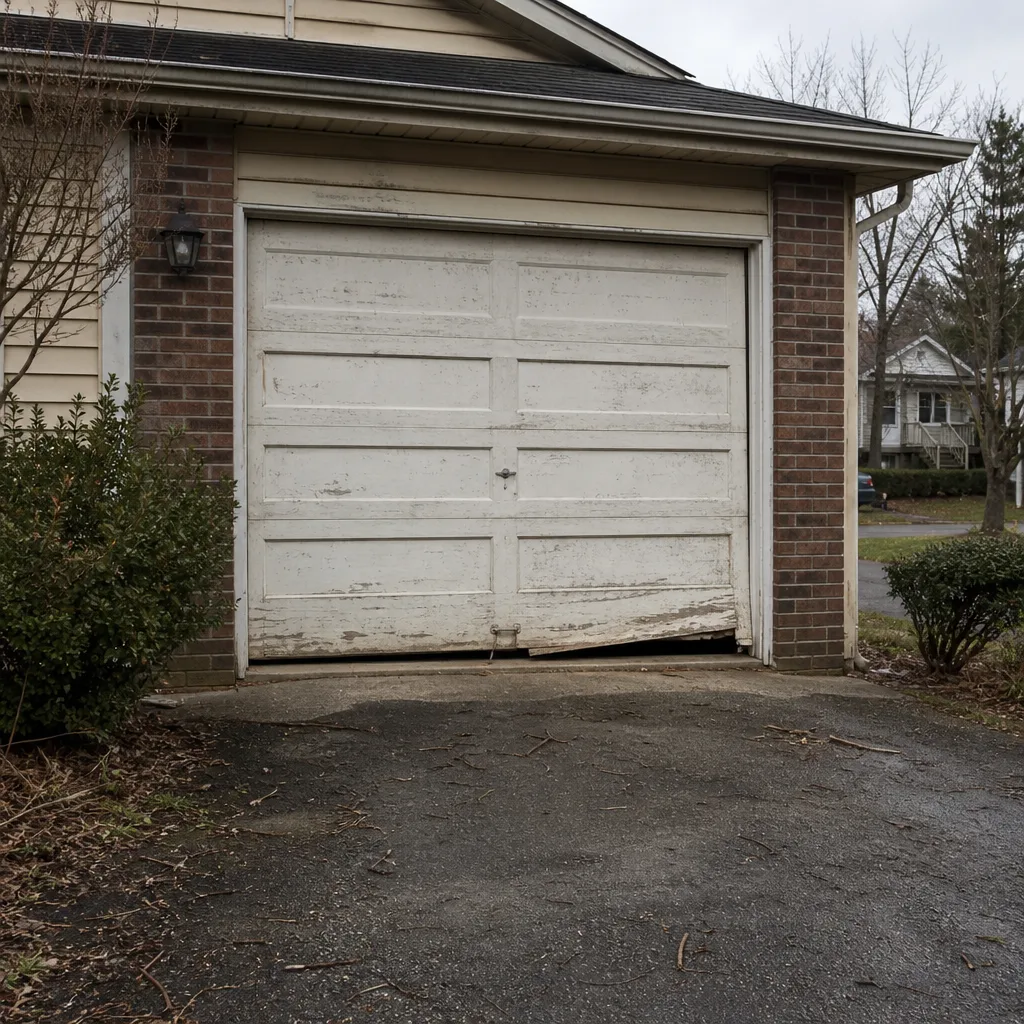 Before
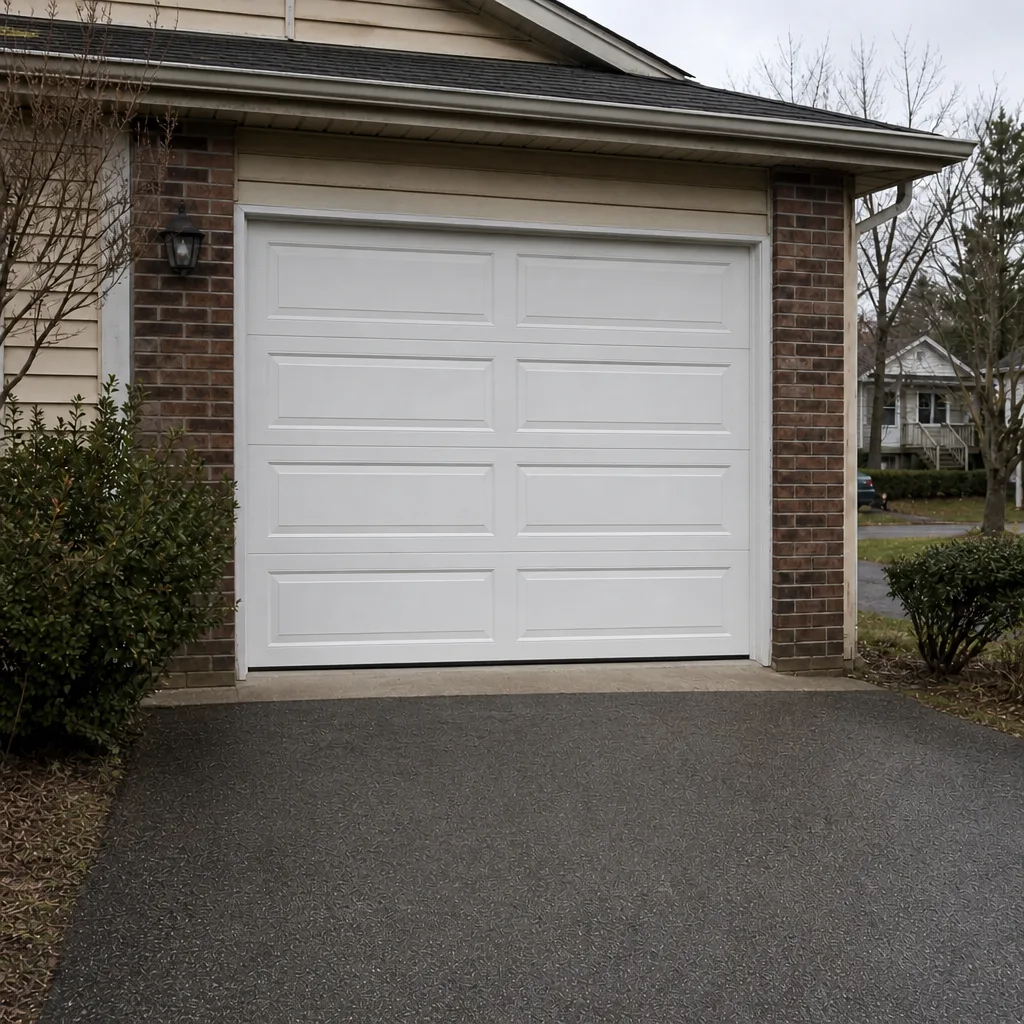 After
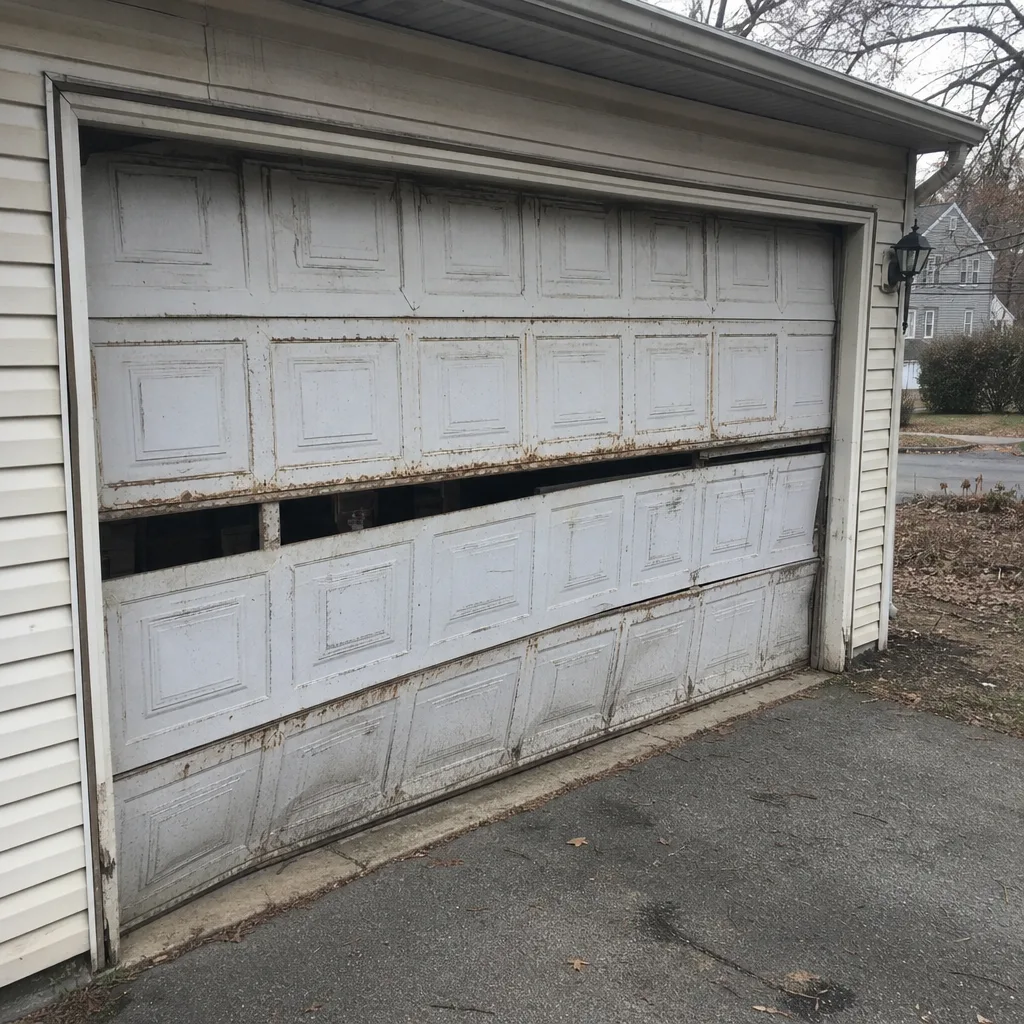 Before
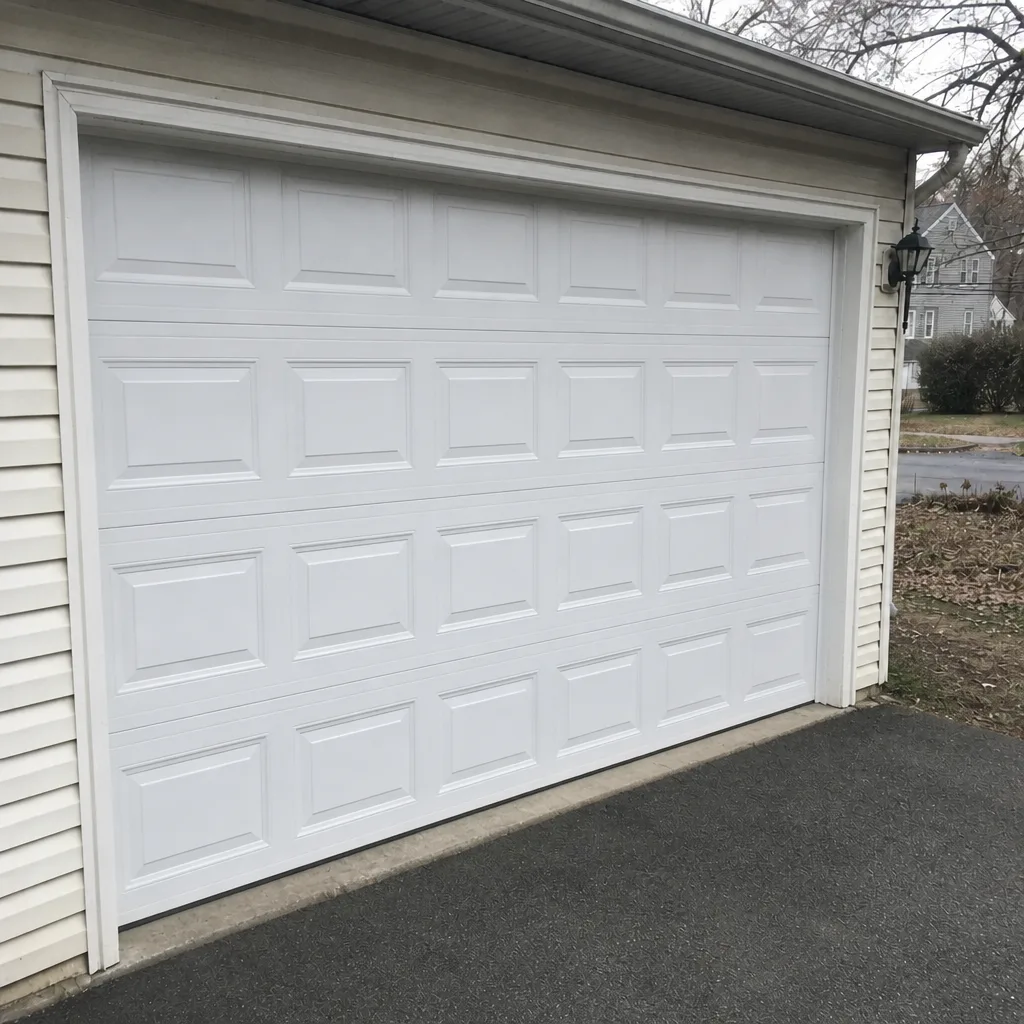 After
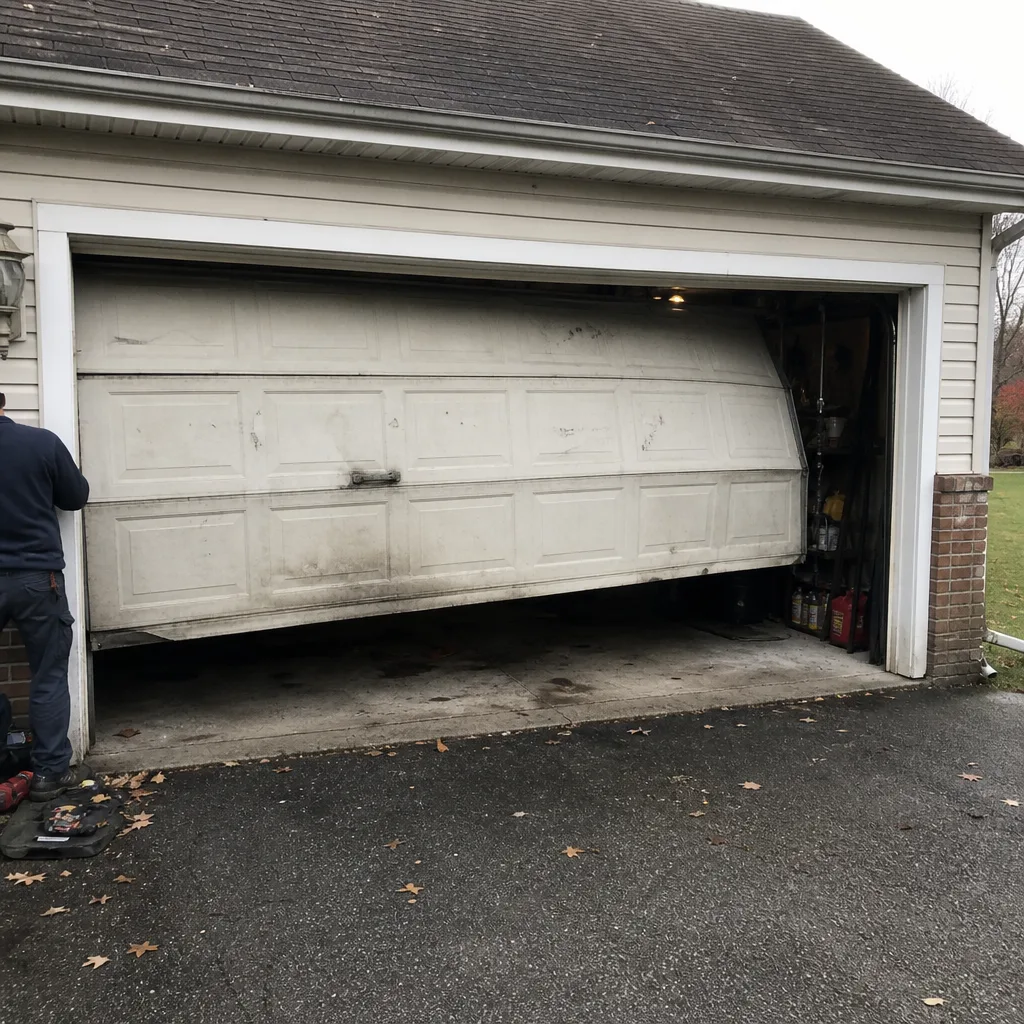 Before
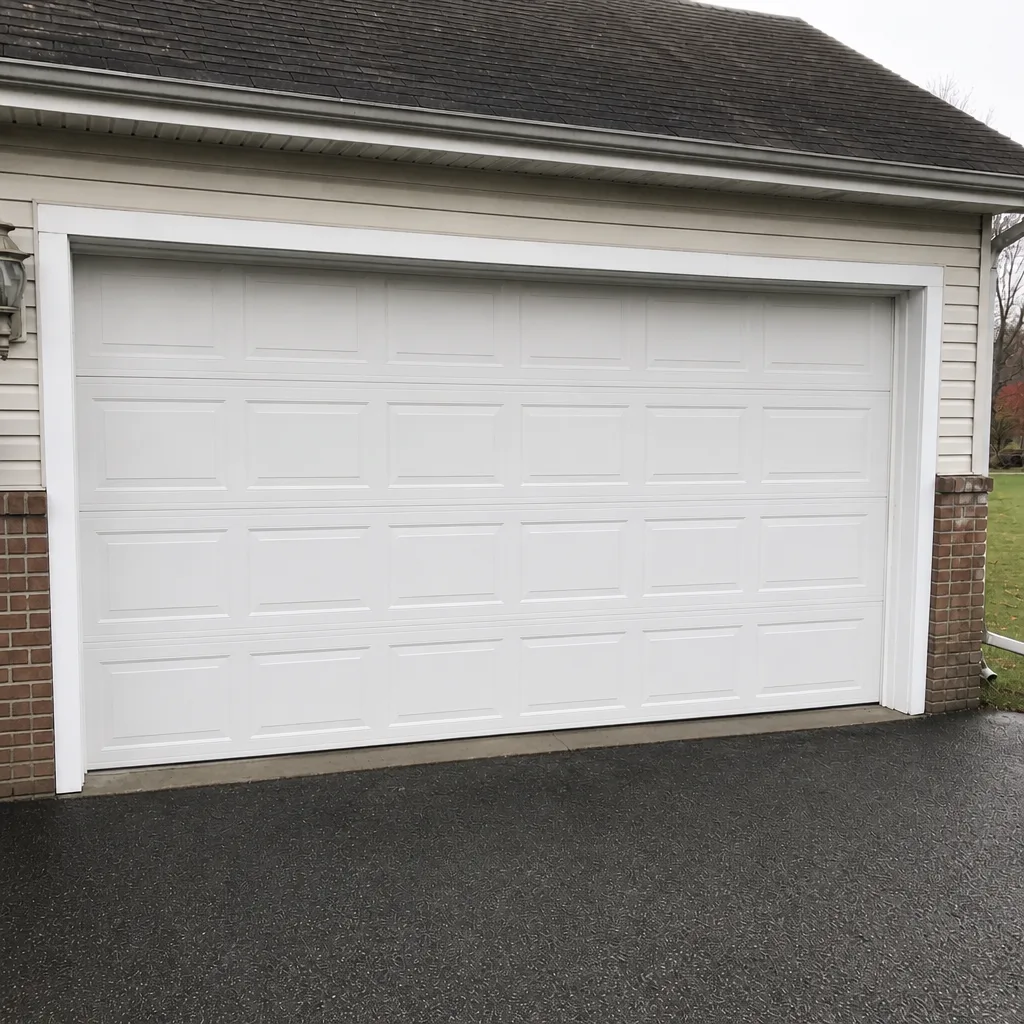 After
Frequently Asked Questions
In most cases on an attached garage, yes. New Jersey’s Uniform Construction Code treats garage door replacement as an alteration, and Bridgewater Township administers that code locally. Call the township building department with your address before work starts and get the answer specific to your property.
No. Spring, cable, roller, and hinge replacement are repairs of wear components and don’t require a building permit. The job should still be done by a trained professional; spring systems are under heavy tension and can injure someone handling them without the right tools. For an exact quote on spring work in Bridgewater, call (855) 903-1456.
The local professionals we connect you with are licensed and insured as their state requires, and we can confirm credentials before work is booked. Every quote is written and agreed before any work starts, so you know the price you’ll pay.
The quote you accept is the price. If a hidden issue like a bent track or a failed opener comes up during the work, we flag it and price the extra work separately before touching anything. You decide whether to proceed. Call (855) 903-1456 for a free estimate.
A failed inspection is handled by the installer, not by you. The job gets corrected and a re-inspection is scheduled. The most common failure point on garage door work is an older opener that doesn’t meet current entrapment protection standards, which is worth checking before the inspection is scheduled.
Permitting timing depends on the township’s queue and the specifics of the job. The installation itself is usually a day for a standard replacement. The inspection follows after installation and closes out the permit. Call (855) 903-1456 for a free estimate and to talk through the timeline for your address.
The Bottom Line
Bridgewater homeowners replacing a garage door on an attached garage should expect to work with the township’s building department on a permit and a subsequent inspection. Straightforward repairs (springs, cables, openers) usually stay out of the permit process. The three things that decide whether the inspection goes smoothly are structural attachment, safety reversal testing, and the opener’s entrapment protection. Ask specific brand questions when hiring, get the permit sorted before work begins, and treat anything involving the springs as a professional job. Get the paperwork and the equipment right and the inspection is usually routine.
Written by the team at Bridgewater Garage Door Repair.