Last updated November 20, 2026
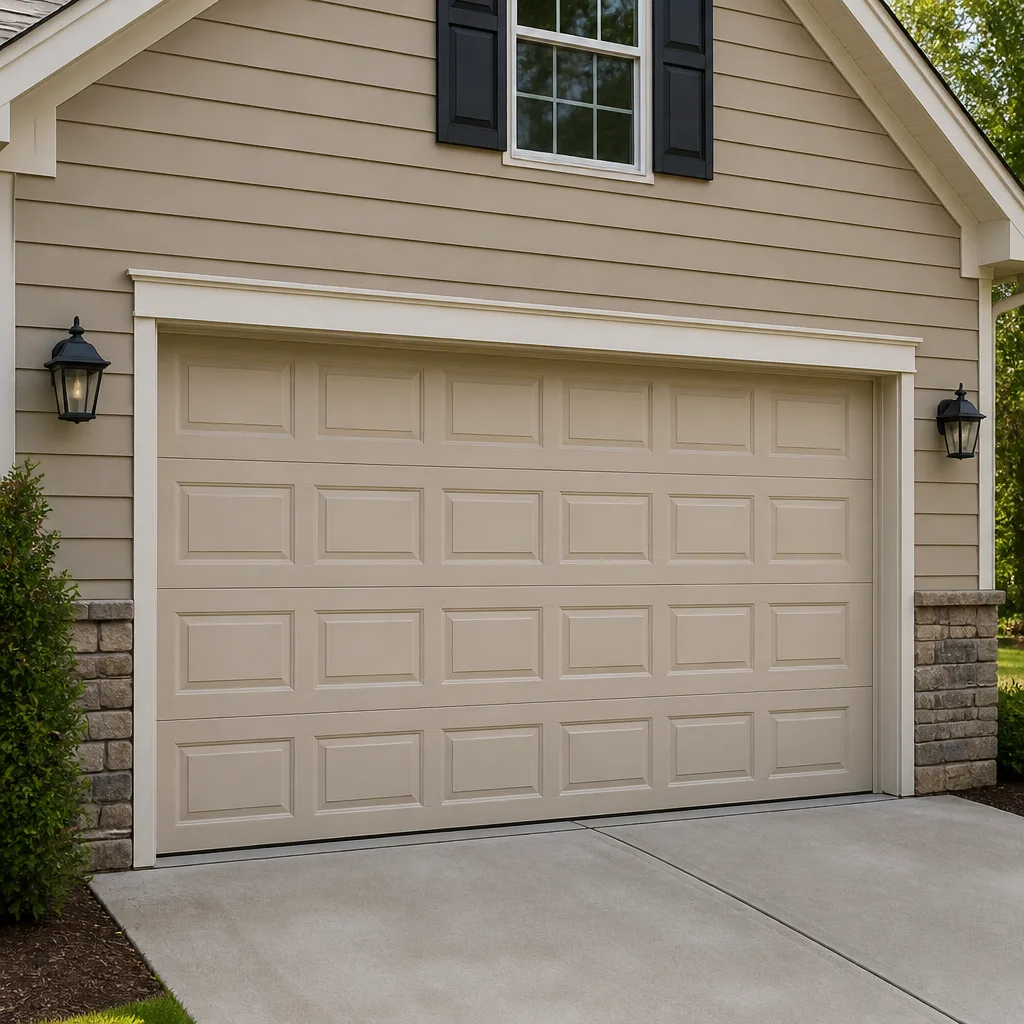 Raised-panel steel
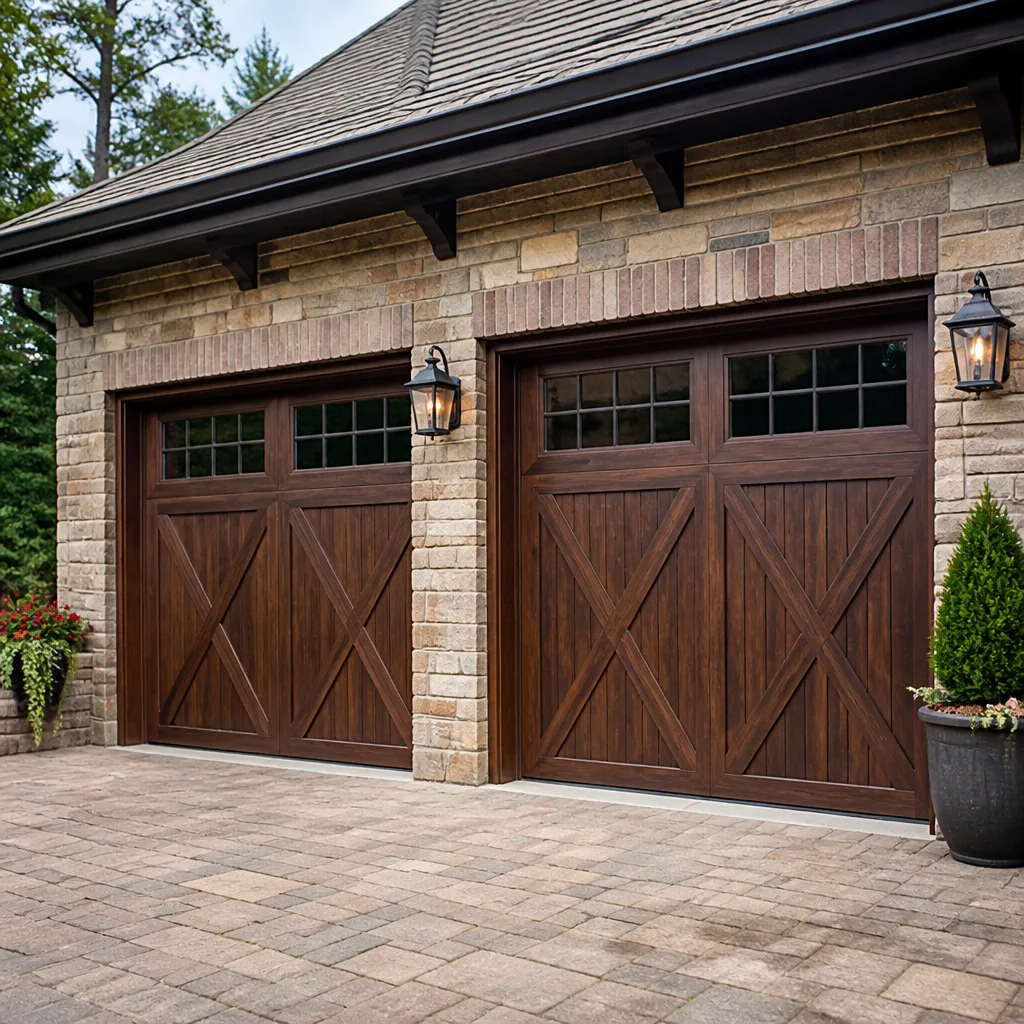 Carriage house
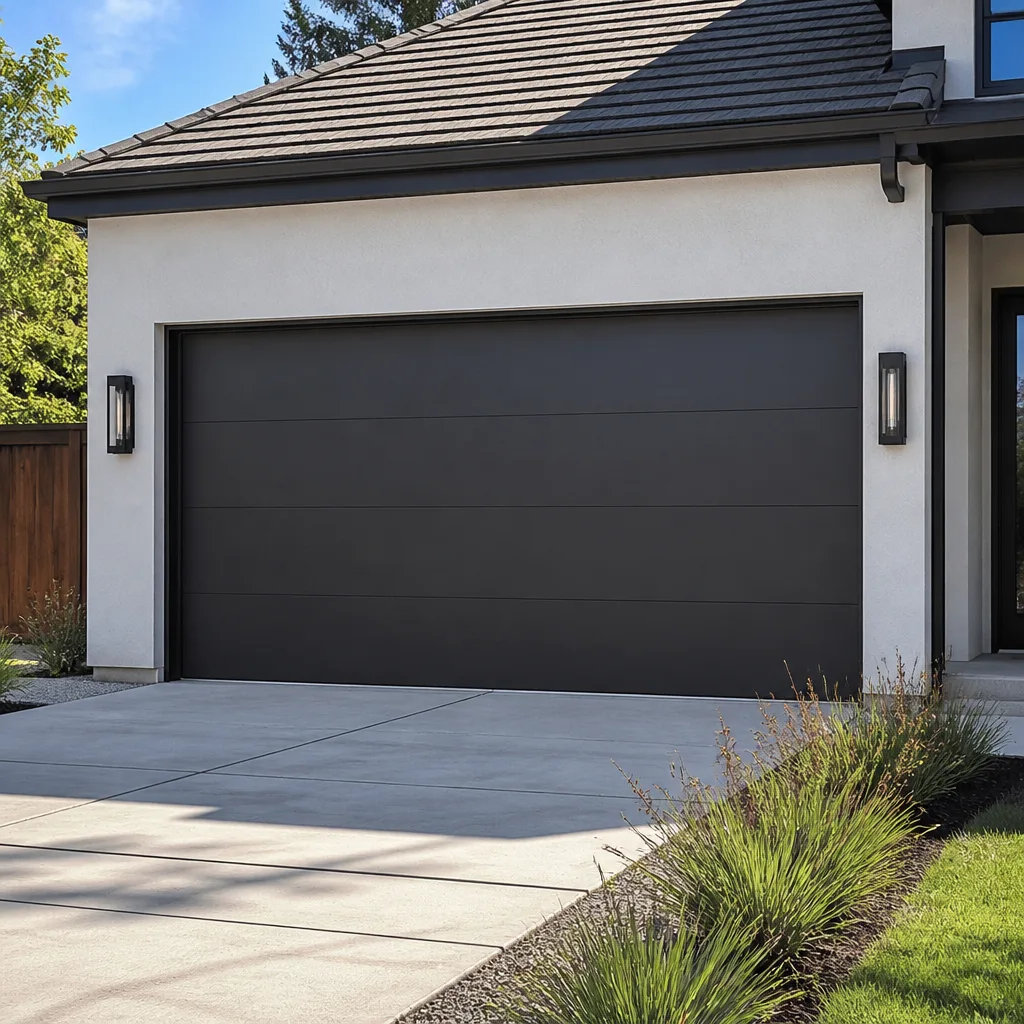 Modern flush
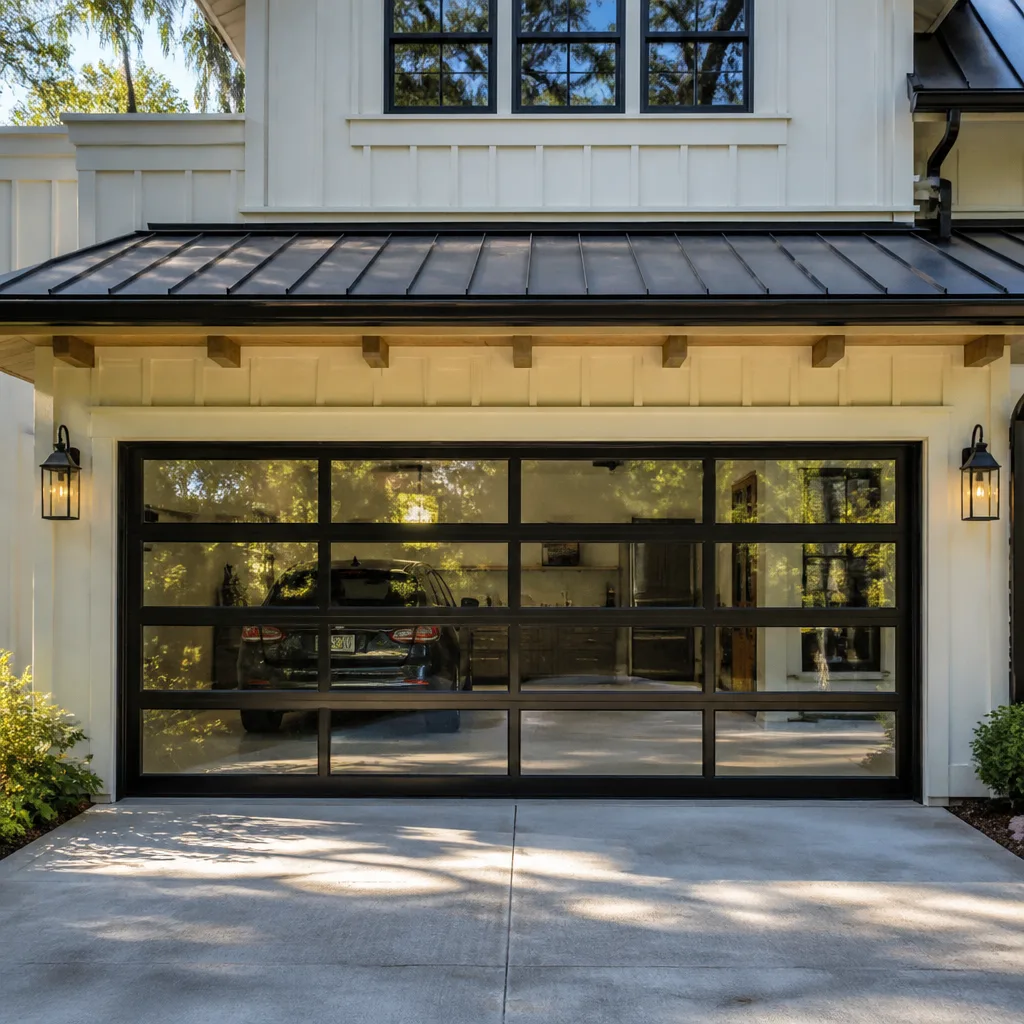 Full-view glass
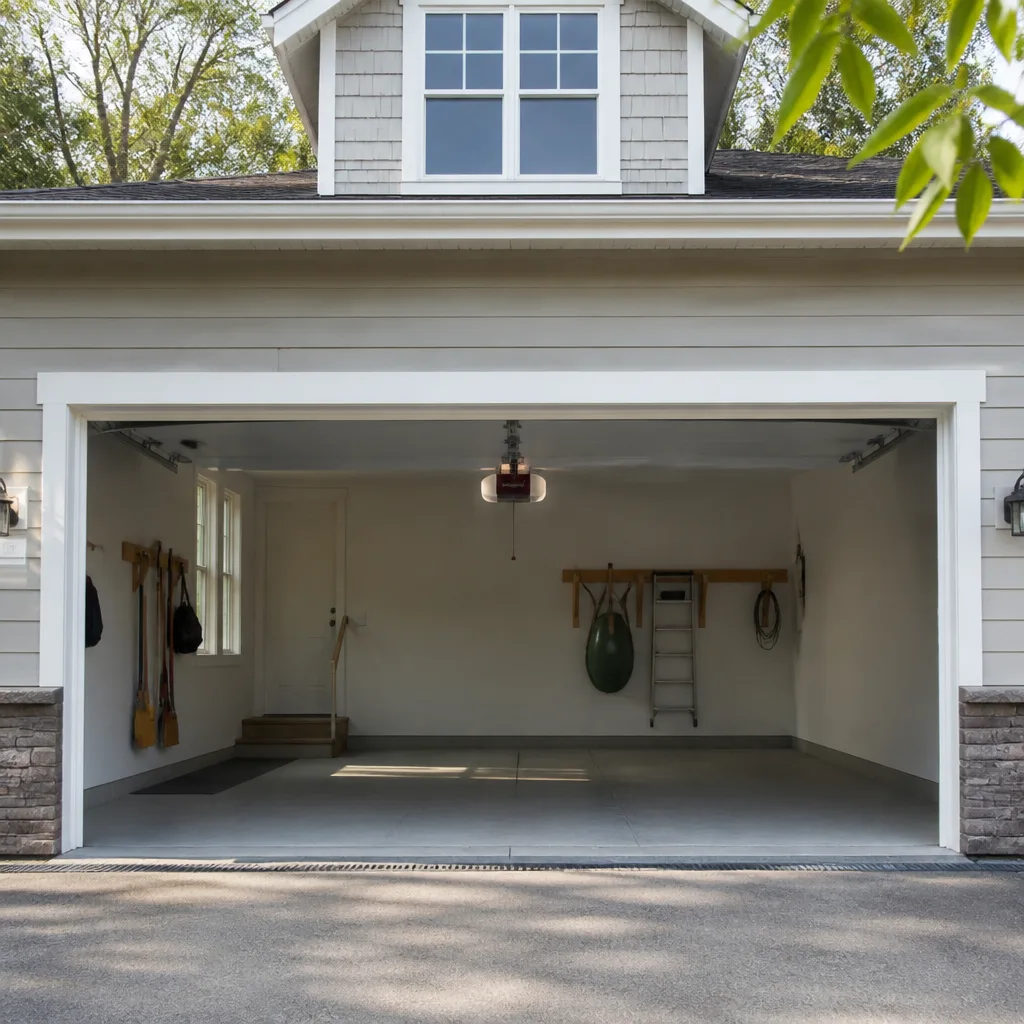 LiftMaster openers
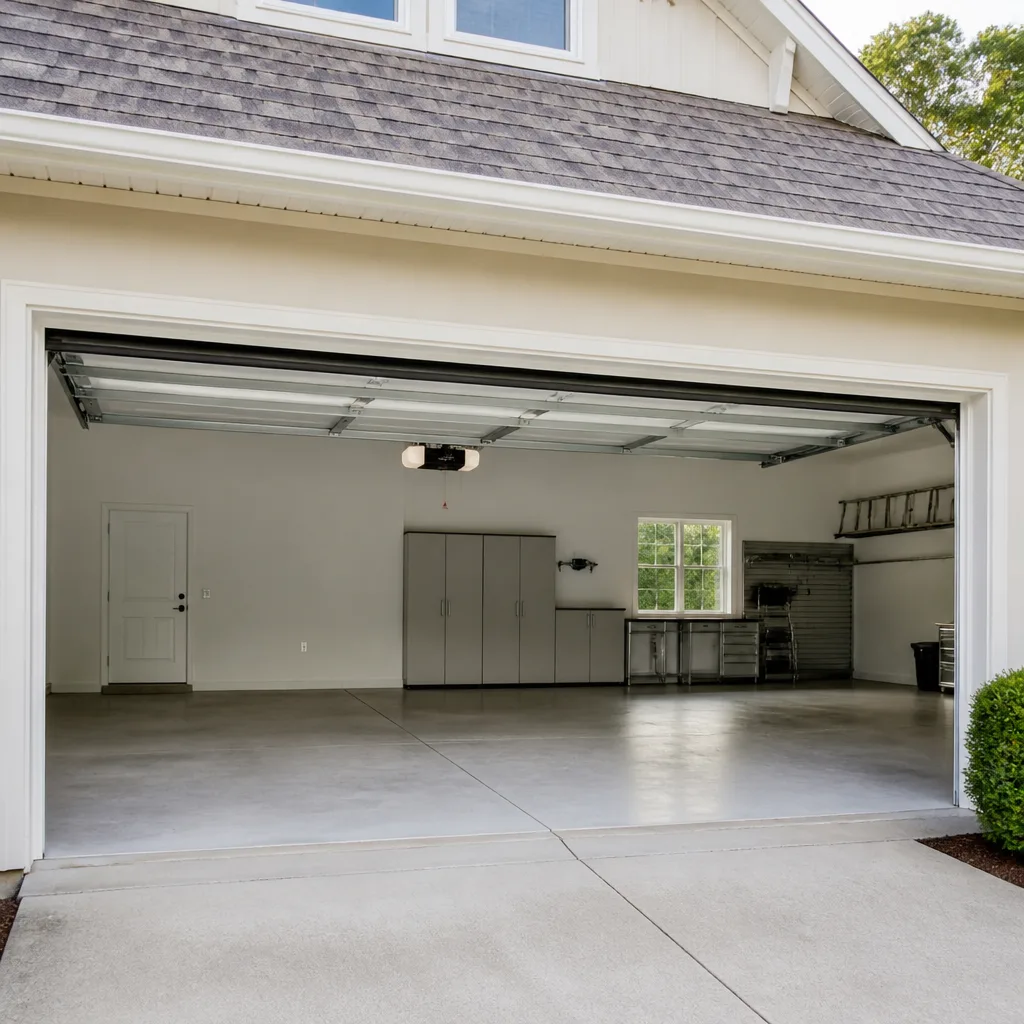 Chamberlain openers
Full 25-point door and opener safety check with every visit - springs, cables, rollers, tracks, and your LiftMaster or Chamberlain opener included
You get a price before we start. It does not change when the pro arrives.
Get your free estimateThe Complete Guide to Garage Doors in Bridgewater
Most homeowners think of the garage door as one machine. It’s really three systems working under one roof: the panels and track that move, the opener that pulls, and the springs that hold the weight. When something goes wrong, the symptom rarely points to the right system. A door that opens an inch and stops isn’t necessarily a dying opener. A door that slams shut isn’t always a spring problem. Diagnosing the wrong system is how small fixes turn into expensive replacements, and it’s the most common mistake we see in Bridgewater. This guide walks through how each system works, what the common failures look and sound like, when a repair makes sense, and how to spot a technician who actually knows your equipment.
Quick Answer
A garage door is a balanced system of panels, tracks, springs, and an opener, and most failures trace back to worn springs, misaligned tracks, or a failing opener unit rather than the door itself. In Bridgewater, the seasonal temperature swings between humid summers and freezing winters accelerate spring fatigue and cause panels and hardware to shift, which is why annual inspection matters more here than in milder climates. Most problems are repairable without replacing the door, and a proper diagnosis should always come before any quote.
Styles & brands we work with
- Raised-panel steel
- Carriage house
- Modern flush
- Full-view glass
- LiftMaster openers
- Chamberlain openers
Table of Contents
- How a Garage Door Actually Works
- The Spring System: The Heart of the Door
- Openers: Legacy, Smart, and Everything Between
- The Most Common Garage Door Problems
- How Bridgewater Weather Affects Your Door
- Repair or Replace? How to Decide
- How to Choose a Garage Door Technician
- A Simple Maintenance Routine
How a Garage Door Actually Works
A sectional garage door is a balance of forces, not a motor lifting dead weight. The springs carry most of the door’s mass, the opener only supplies the extra push to get it moving, and the tracks keep everything aligned. When any one of those three falls out of balance, the others overwork and start wearing fast.
Here’s the sequence of what happens when you press the button:
- The opener motor turns and pulls the door via a chain, belt, or screw drive.
- The torsion spring (or extension springs on older doors) unwinds, releasing stored energy that counterbalances the door’s weight.
- The rollers travel up the vertical track, through the curved transition, and onto the horizontal track.
- The door panels fold into the ceiling space, held level by the spring tension.
- On the way down, the process reverses and the safety sensors at the floor confirm nothing is in the path.
That balance is the whole game. A door that feels heavy when you lift it manually by hand (with the opener disengaged) is telling you the springs are losing tension. A door that drifts down on its own when half-open is telling you the springs are too tight. In our experience, homeowners in Bridgewater often blame the opener for problems that are really spring or track issues, because the opener is the part they see and hear.
The Spring System: The Heart of the Door
Garage door springs are the most misunderstood and most dangerous part of the whole assembly. A torsion spring under load stores enough energy to cause serious injury if it releases uncontrolled, which is why spring repair is a trained-professional job, not a homeowner project. We treat spring repair as a dedicated specialty, not an afterthought, because the failure points and tooling differ significantly between brands and door weights.
There are two spring styles you’ll find on Bridgewater homes:
- Torsion springs mount horizontally above the door on a steel shaft. They’re the standard on modern doors and last longer but require precise tensioning and proper winding bars to service safely.
- Extension springs run along the horizontal tracks on either side. They’re common on older doors and should always have safety cables running through them in case they snap.
Springs don’t fail on a schedule, but they do have a cycle life. Each open-and-close counts as one cycle. A door that runs several times a day will wear its springs faster than one used once. In Bridgewater, the freezing winter mornings and hot summer afternoons work the metal through repeated expansion and contraction, which shortens spring life compared to a stable climate. If you hear a loud bang from the garage and the door won’t lift, a spring has almost certainly broken.
We work on the spring systems behind Genie, Clopay, Amarr, and Wayne Dalton doors specifically, and we know what a healthy spring looks like versus one that’s about to fail. Never try to wind, unwind, or replace a torsion spring yourself. Call a trained technician.
Openers: Legacy, Smart, and Everything Between
Openers have changed more in the last fifteen years than doors have in fifty. A unit installed in the early 2000s and a current smart-home-integrated opener are different machines with different failure signatures. We repair both, which matters because a lot of companies will try to sell you a full replacement when a specific component has failed.
What a good opener diagnosis looks like:
- Check the power and the logic board. A unit that’s silent on the button press but has power is usually a board or capacitor issue, not a dead motor.
- Test the safety sensors. Misaligned or dirty photo-eye sensors cause the door to reverse or refuse to close. This is the single most common “broken opener” call that turns out to be a five-minute fix.
- Inspect the drive system. Chain, belt, and screw drives each wear differently. A belt that’s stretched or a chain that’s jumped the sprocket produces a distinct sound.
- Test the wall control and remotes. A failed wall station or a remote that’s lost its programming is not an opener failure at all.
- Verify the force settings and travel limits. Doors that stop halfway or reverse for no reason often need their travel limits recalibrated, especially after a spring repair changes the door’s balance.
We repair LiftMaster, Chamberlain, Genie, and Craftsman systems without requiring a brand swap. That last point matters: some dealers only carry one brand and push you toward replacement because that’s what they stock. We diagnose first, then quote. A 2010 LiftMaster with a failed logic board is repairable. It doesn’t need to become a new unit.
If your opener is part of a smart-home setup, don’t assume a generalist can service it. MyQ integration, Wi-Fi modules, and app-pairing issues require familiarity with the specific platform, and those are the systems we work on regularly.
The Most Common Garage Door Problems
Across the doors we see in Bridgewater, failures cluster into a handful of categories. Knowing which one you’re dealing with helps you describe the problem accurately and spot an accurate diagnosis.
Door won’t open or close at all
Usually power, a dead opener motor, a snapped spring, or a safety sensor blocking the close cycle. If the opener hums but nothing moves, suspect a stripped gear or a broken spring.
Door opens a few inches and stops
Classic spring failure sign on a torsion system, or a travel limit set wrong. A door with a broken spring that gets forced by the opener will burn out the motor, so stop pressing the button.
Loud banging, squealing, or grinding
Worn rollers, dry hinges, a loose chain, or a failing bearing plate. Noise is usually a maintenance issue that got ignored, not a sudden breakdown.
Door reverses immediately after touching the floor
Safety sensor misalignment or a force setting that’s too sensitive. Sometimes the sensors are simply dirty or the sun is hitting one eye directly.
Door is crooked or binds in the track
A bent track, a popped roller, or a snapped cable. This one needs prompt attention because forcing a crooked door damages panels and the opener.
Remote or wall button works intermittently
Dead remote battery, interference, or a failing logic board. Intermittent behavior usually points to electronics, not mechanical parts.
One call covers the door, the opener, and the springs, and that’s the point of specializing in garage doors only. When three different trades each look at a piece of the same problem, the diagnosis gets fragmented and the fix gets expensive.
How Bridgewater Weather Affects Your Door
Bridgewater sits in a climate with real seasonal swings, and that shows up on garage doors in specific ways. Summer humidity swells wood door panels and works on metal hardware. Winter cold contracts the steel and makes lubricants stiff. The freeze-thaw cycles that hit the region each year put repeated stress on springs, cables, and hinges.
What we look for specifically in Bridgewater homes:
- Spring fatigue from temperature cycling. Springs that flex through hot and cold extremes lose tension faster than springs in stable climates.
- Track misalignment from ground movement. Freeze-thaw can shift the concrete slab and pull the vertical track slightly out of plumb, which makes the door bind.
- Rusted hinges and rollers. Summer humidity and winter road moisture combine on the door’s underside and hardware.
- Weather seal deterioration. The bottom seal cracks over time and lets cold air and moisture in, which is often the first thing a homeowner notices.
Because Bridgewater homes range from older construction near the center of town to newer builds on the outskirts, door systems vary widely. Older homes often still run extension springs; newer ones tend to have torsion systems and smart openers. We see both, and the diagnosis path is different for each.
Repair or Replace? How to Decide
The repair-versus-replace question comes up on nearly every call, and the honest answer depends on three factors: the age of the door, the cost of the specific repair, and the condition of the panels.
Use these guidelines:
- A single failed component on an otherwise healthy door is almost always a repair. A broken spring, a failed opener board, a bent track, or a bad roller are all repairable.
- Multiple failures at once on an older door starts to tilt toward replacement, but even then, get a diagnosis before deciding.
- Panel damage from impact or denting can sometimes be repaired on sectional doors by swapping individual panels, which is far less costly than a full replacement.
- Structural rot or severe rust on a wood door usually means replacement makes more sense than repeated patching.
- Opener age relative to the door matters. A newer door with an old opener is fine; a new opener on an old door is fine. The two systems don’t need to match.
In our experience, the pressure to replace comes from companies that sell doors rather than repair them. A generalist handyman will tell you “you need a new door” because they don’t want the risk of a spring repair. A specialist will tell you what’s actually broken. We focus on repair and won’t push a replacement you don’t need.
How to Choose a Garage Door Technician
Not every company that advertises garage door service actually specializes in it. Plenty of general handyman operations add it as a side service, and the results show in misdiagnosed springs and replacement pressure.
Ask these questions before booking:
- Do they work on your brand specifically? An opener or door brand has known failure points. A technician who’s seen a hundred Genie systems will diagnose faster than one guessing at it.
- Is spring repair a specialty or an add-on? High-tension spring work requires proper tooling and separate liability coverage. Ask directly.
- Do they repair or sell? A company that only installs doors has a reason to recommend replacement.
- Do they diagnose before quoting? A quote given over the phone without seeing the door is a guess, not an estimate.
- Are they focused on garage doors only? A multi-trade company splits attention across HVAC, plumbing, and doors. That’s not the same expertise.
We’ve built Bridgewater Garage Door Repair around that last point. Garage doors are all we do. Our technicians have up to 10 years of experience, and we work on LiftMaster, Chamberlain, Genie, Clopay, Amarr, Wayne Dalton, Craftsman, and Raynor systems as standard.
A Simple Maintenance Routine
You don’t need to service a garage door often, but a few minutes twice a year prevents most of the premature failures we see. The trick is knowing what to check (and what to leave to a professional).
What you can safely do yourself:
- Lubricate the moving parts. A garage-door-specific lubricant on rollers, hinges, and the spring (extension springs only, where the coils are exposed) twice a year. Don’t use WD-40 as a substitute; it attracts dust and dries out.
- Test the balance. Disengage the opener and lift the door halfway. It should hold position with minimal effort. If it drops or takes real force to lift, call a technician.
- Test the safety reverse. Place a small object in the door’s path and confirm the door reverses. If it doesn’t, the sensors or the opener logic needs attention.
- Inspect the weather seal. Look for cracks or gaps at the bottom of the door. A worn seal lets in moisture, which accelerates rust on the hardware.
- Watch for noise or vibration. New noises are the earliest warning sign.
What you should never do: adjust a torsion spring, replace a cable, or attempt to realign a track on a door with a broken spring. Those are the jobs that cause serious injuries every year. A trained technician with the right tools can handle them safely in a fraction of the time.
Common Mistakes to Avoid
- Forcing a door with a broken spring. Pressing the opener repeatedly on a door with a snapped spring will burn out the motor, and the motor is the more expensive component. Stop and call.
- Assuming the opener is broken. In our experience, many “dead opener” calls turn out to be a misaligned safety sensor or a failed wall control. Diagnose before you buy.
- Using the wrong lubricant. WD-40, cooking oil, and household grease all attract dirt and gum up the rollers. Garage-door-specific lubricant is the only thing to use.
- Ignoring a crooked door. A door that binds or hangs at an angle is a track or cable issue. Forcing it damages panels and the opener and turns a modest repair into a costly one.
- Skipping balance checks after a spring repair. When a spring is replaced, the door’s balance changes and the opener’s travel limits usually need recalibrating. A qualified technician rechecks the balance as part of the repair.
- Installing an opener that’s oversized for the door. A heavier opener doesn’t extend door life; it just wears the springs faster. The opener should match the door’s weight, not overpower it.
- Choosing the cheapest quote without asking about spring specialization. Spring repair on a high-tension torsion system is one of the most dangerous jobs in home repair, and it’s not where you want to save a few dollars.
See the difference
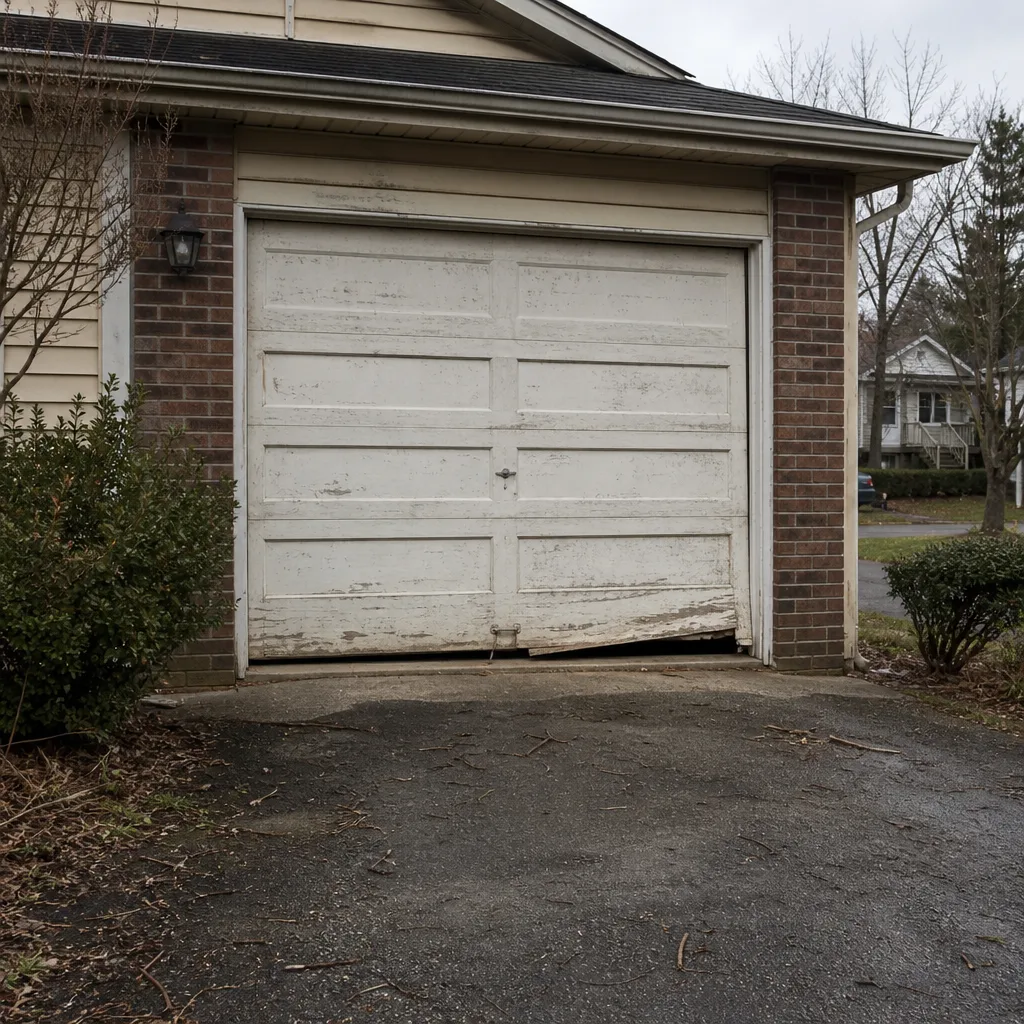 Before
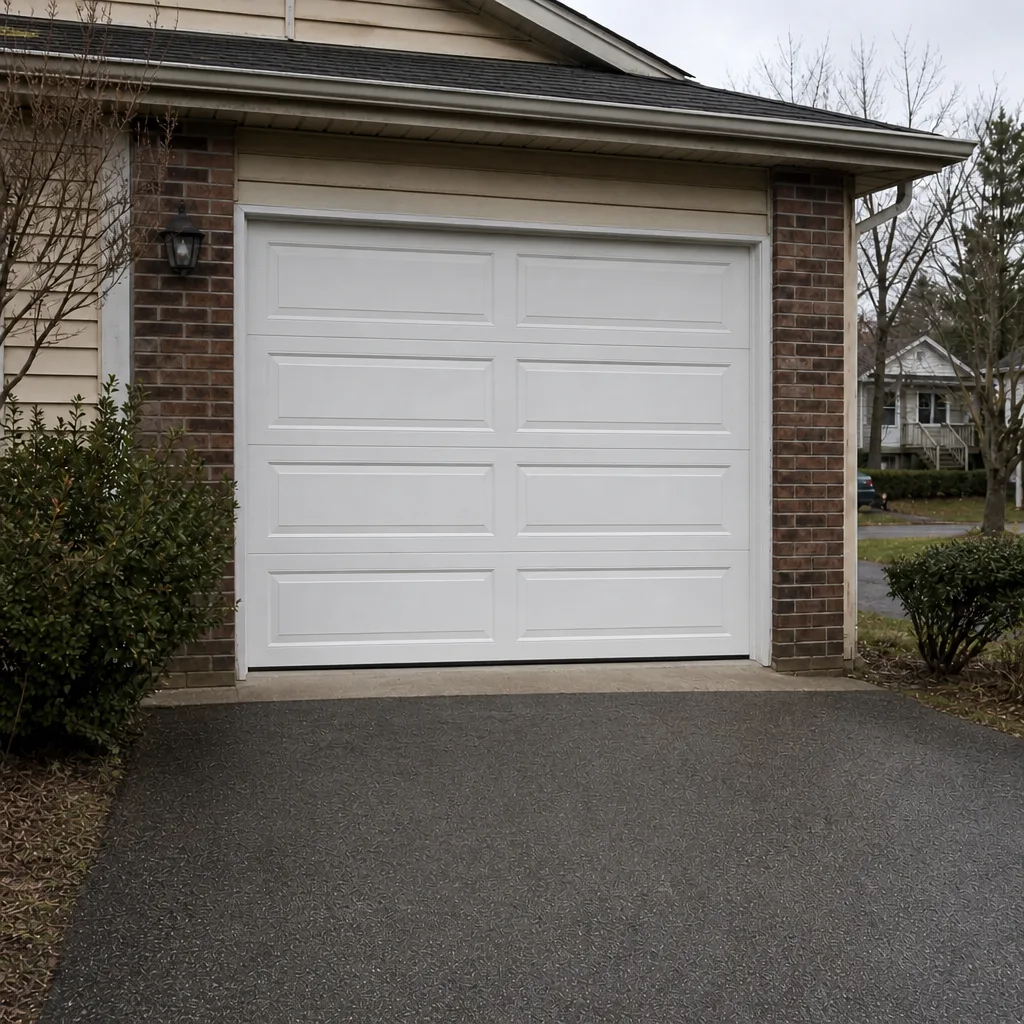 After
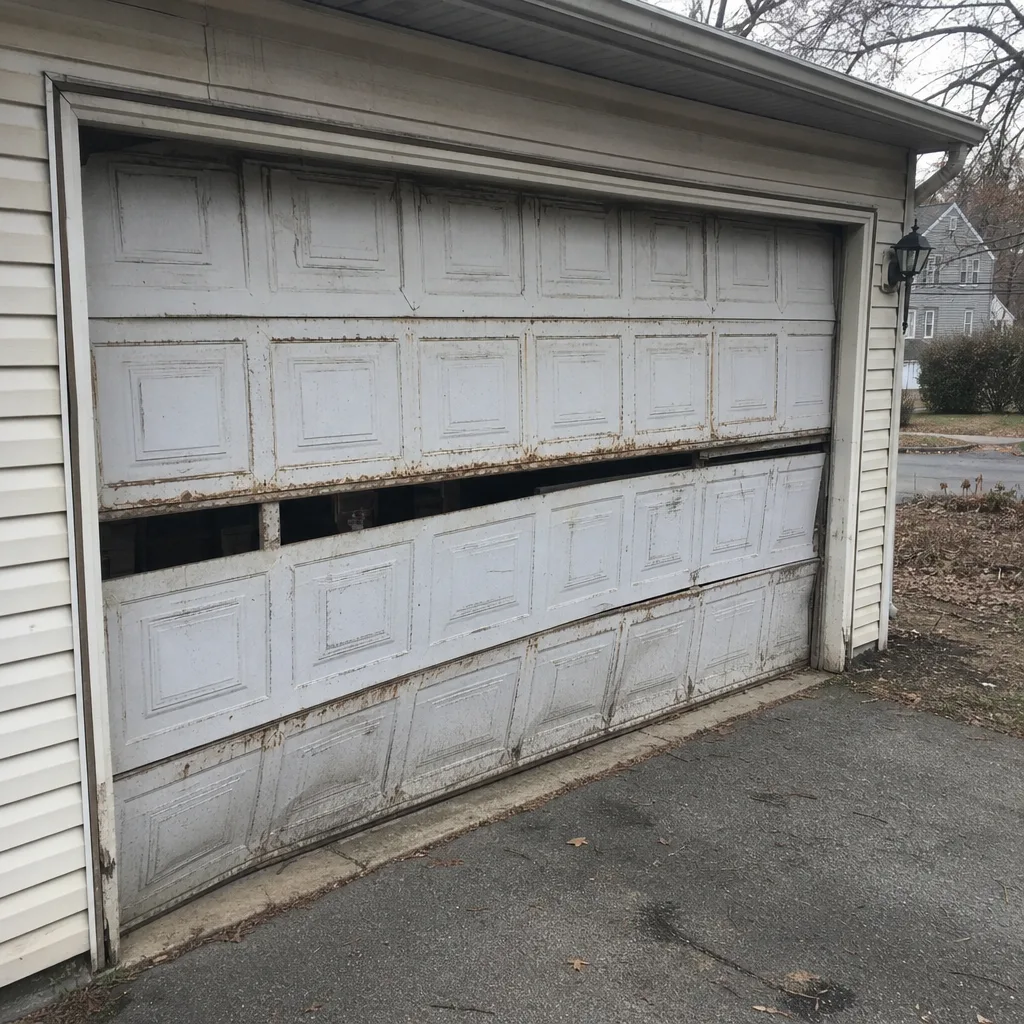 Before
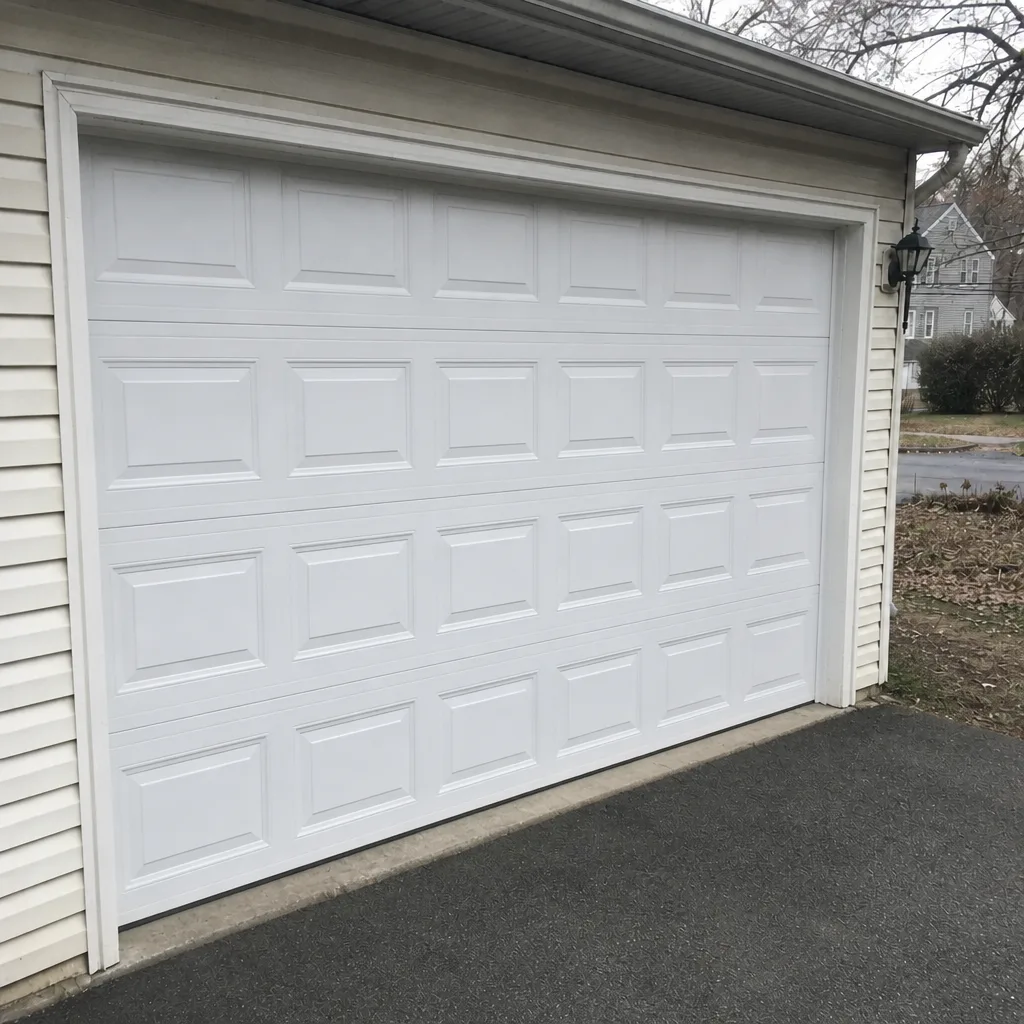 After
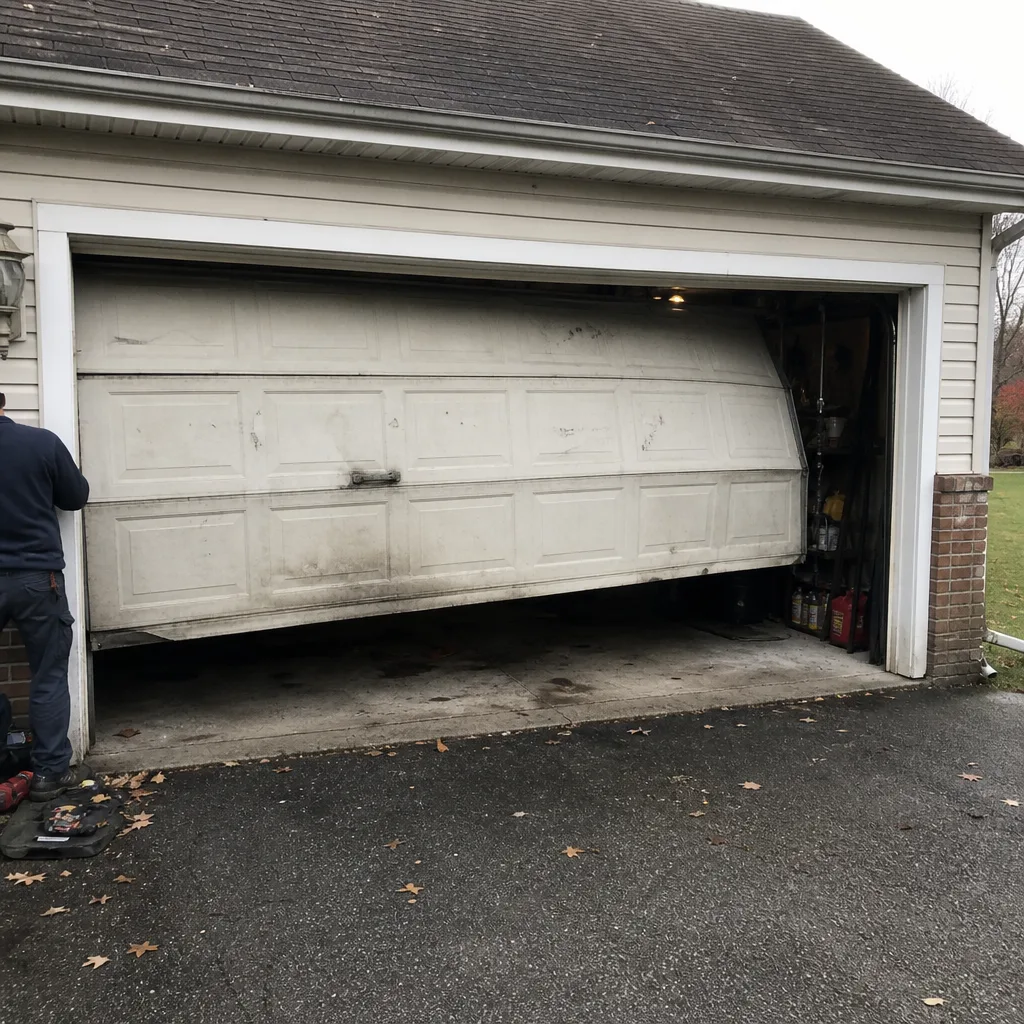 Before
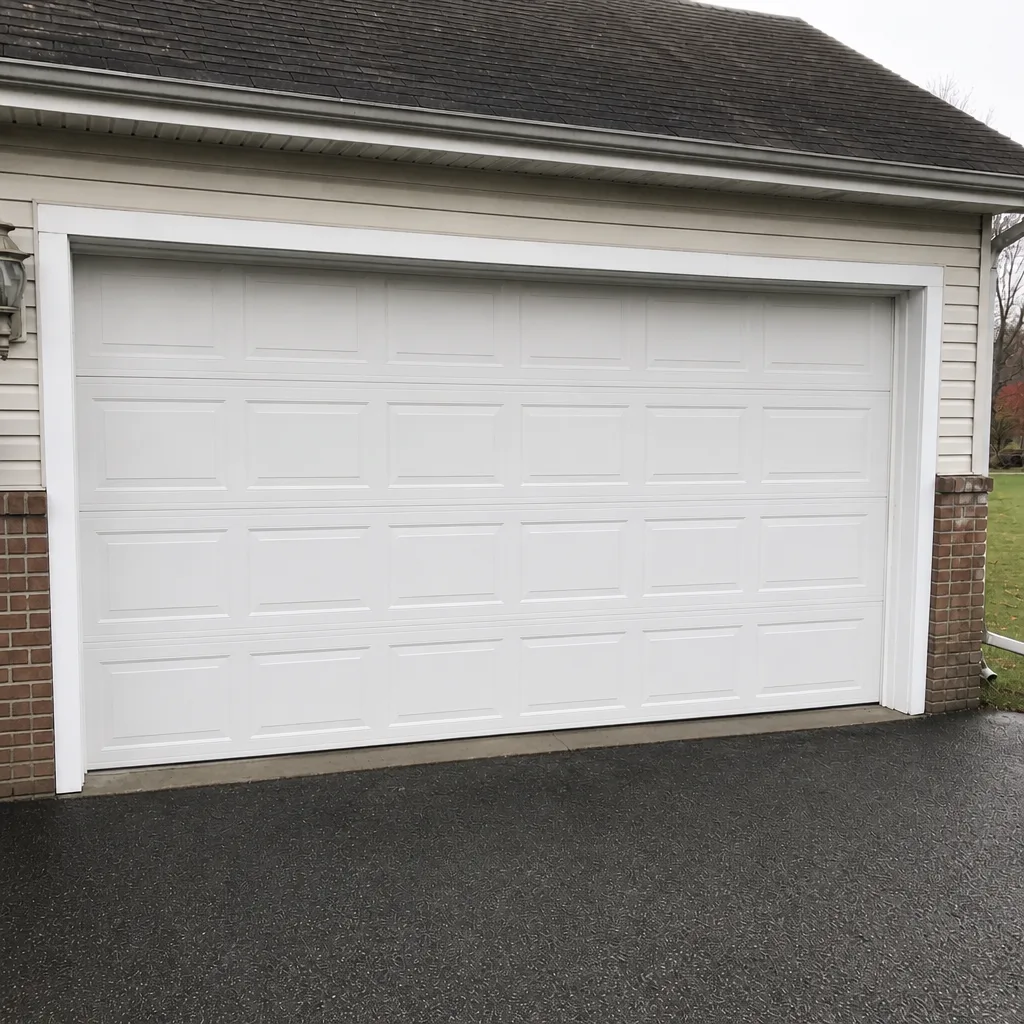 After
When to Call a Professional
Call a technician if you hear a loud bang from the garage and the door won’t open, if the door reverses without touching anything, if it hangs crooked in the track, or if it drops the last few inches on its own. Call us if you’ve replaced the remote battery and the button still won’t work, if the door opens and closes only sometimes, or if the spring has visibly broken. Call immediately if a cable has snapped or the door is being held up by an opener alone. Bridgewater Garage Door Repair offers free estimates in Bridgewater, with upfront pricing and a written quote agreed before any work starts. Call (855) 903-1456.
Frequently Asked Questions
Most common repairs in Bridgewater fall into a range, from a minor sensor or roller fix at the low end to a full spring replacement at the higher end, and the exact price depends on the door, the brand, and the specific failure. We quote before any work starts, and the written estimate is the price you’ll pay. Call (855) 903-1456 for a free estimate.
Yes, we offer same-day service for many repair calls and dispatch fast between 7am and 7pm. Whether we can reach you the same day depends on the job and the schedule, but we prioritize doors that are stuck open or stuck closed. Call (855) 903-1456 and we’ll tell you what we can do.
The local professionals we connect you with are licensed and insured as their state requires. We can confirm this for you when we quote. Call (855) 903-1456 with any questions.
We repair LiftMaster, Chamberlain, Genie, and Craftsman opener systems, both legacy and smart-home-integrated, without requiring a brand swap. If you have a different brand, ask us before assuming we can’t help. Call (855) 903-1456 to confirm.
The seasonal temperature swings in Bridgewater put repeated stress on spring metal through the year, and that shortens their cycle life compared to a stable climate. Annual inspection helps catch fatigue before a break. Call (855) 903-1456 to schedule one.
No. We quote and agree on the price before any work starts, and the written estimate is the final price for that agreed job. If we find a different problem underneath, we’ll tell you before touching anything. Call (855) 903-1456 for an exact quote, free of charge.
The Bottom Line
A garage door is three systems in one, and diagnosing the right one is what separates a quick fix from an expensive misstep. Springs carry the weight, the opener supplies the push, and the panels and track keep everything aligned. In Bridgewater, the seasonal swings work on all three. If you handle the seasonal maintenance, watch for the warning signs, and call a specialist before forcing a failing door, you’ll get years more life out of the same equipment. This is what we do every day at Bridgewater Garage Door Repair, and it’s why we focus on garage doors only.
If your door is misbehaving, call (855) 903-1456 for a free estimate. We’ll diagnose the door, the opener, and the springs on one visit, quote the repair upfront, and get it fixed without pushing a replacement you don’t need.
Written by the team at Bridgewater Garage Door Repair.